Partial Demolition In Lismore: What Can Be Knocked Down Without A Full Demo?
Table of Contents:
After the 2022 floods, many Lismore homeowners were left with a difficult situation: one section of the house — a rear extension, a lean-to, a second storey — had sustained serious structural damage while the rest of the building remained liveable. A full knockdown would be wasteful and expensive. What these homeowners needed was partial demolition, and many didn't know it existed as a formal service or who to call. This guide explains what partial demolition is, when it applies, what council approval looks like and how asbestos factors in — starting with the link between demolition in Lismore and the specific conditions post-flood properties present.
What Is the Difference Between Partial and Full Demolition?
This is one of the most common questions homeowners ask — and the answer matters because it determines who you call, what approvals you need and what the job actually costs.
Strip-out is the removal of internal fitout only — flooring, cabinetry, plasterboard, fixtures — without touching load-bearing structure. It's often done before a renovation and doesn't require a demolition contractor in most cases.
Full demolition is the complete removal of an entire structure down to the slab or footings. It's the right tool when a building is beyond repair or the site needs to be cleared entirely.
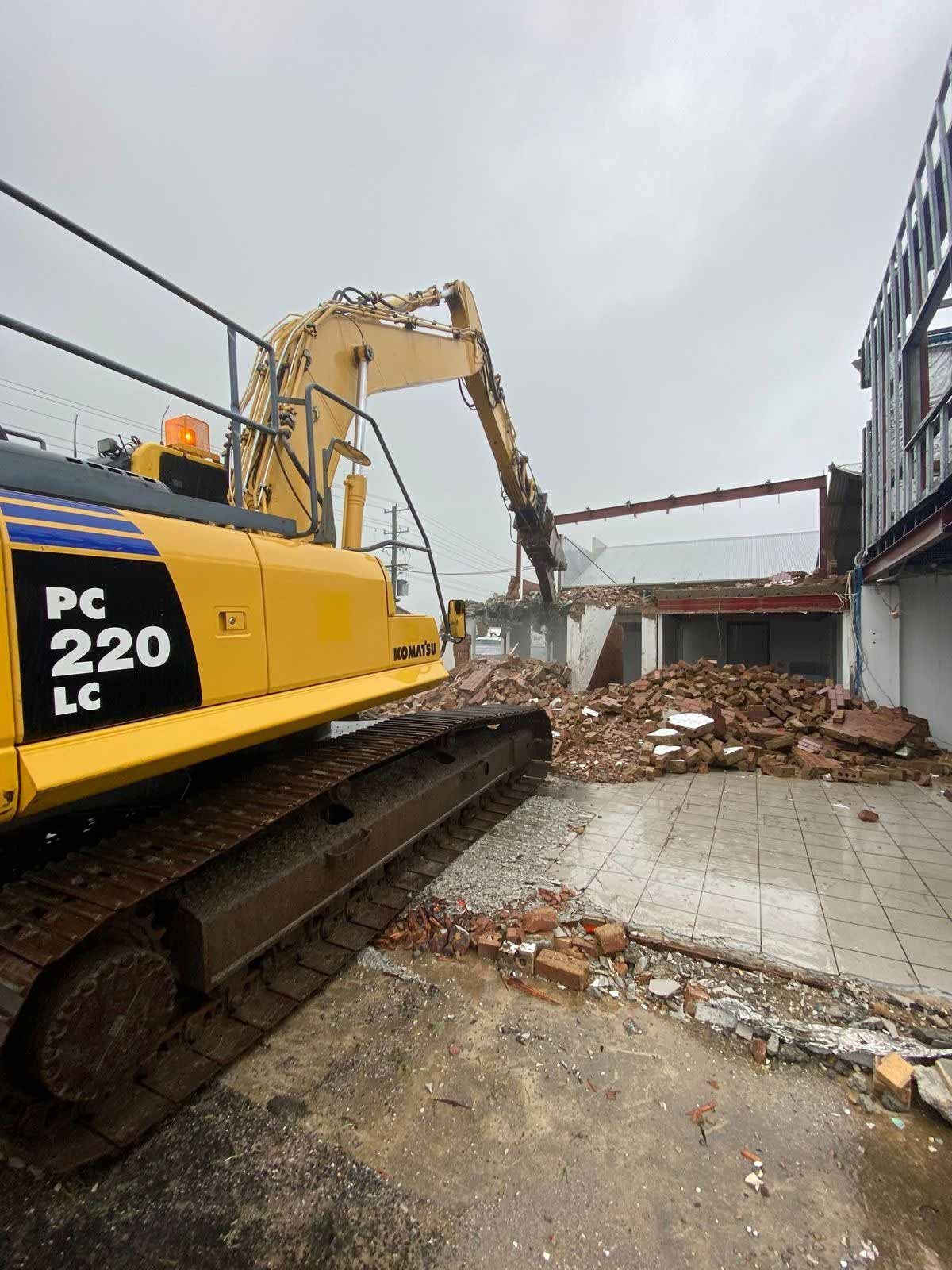
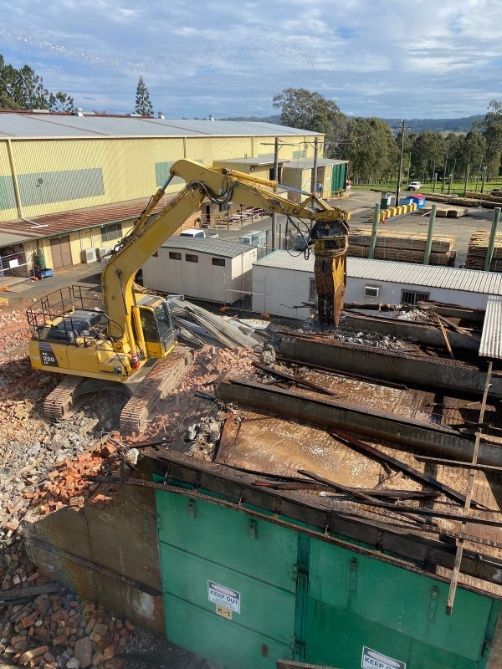
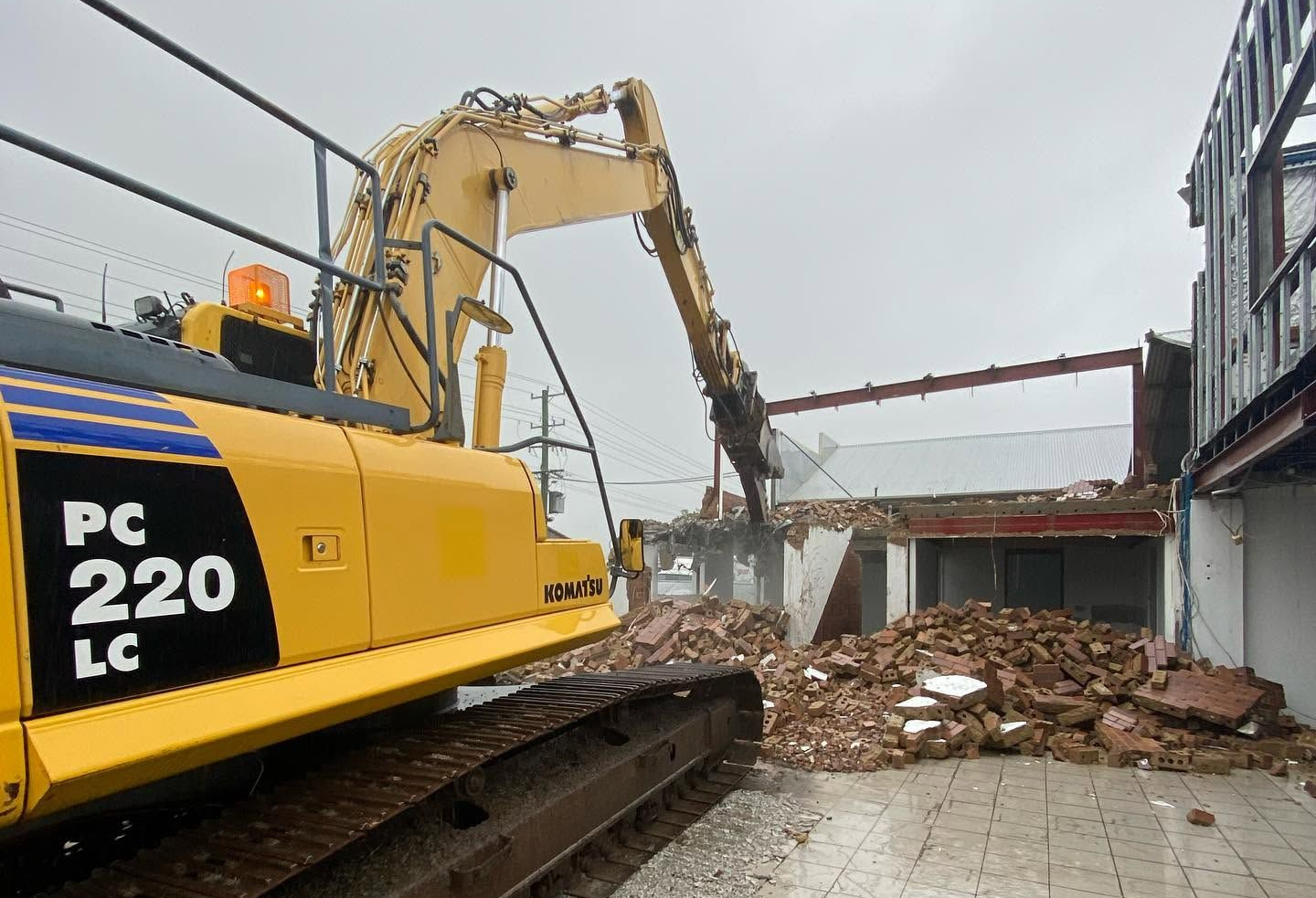
Partial or selective demolition Lismore contractors carry out sits between these two. It involves removing a structurally defined section of a building — which means understanding load paths, providing any shoring needed to stabilise what remains and managing the removal and disposal of materials from the affected section only.
This three-way distinction is the key piece of clarity most homeowners are missing when they search for demolition Lismore and aren't sure whether they need a demolition contractor, a builder or both. From selective structural removal to full site clearance, our demolition services cover residential, commercial and industrial projects across the Northern Rivers.
Can You Partially Demolish a House in NSW?
Yes — partial house demolition in NSW is a recognised and regularly performed scope of work. It requires a contractor who can assess the existing structure to understand what can be removed safely, what needs to be shored during and after removal and how the remaining structure will be stabilised once the section is gone.
The structural assessment is the critical first step. Removing a wall or section without understanding its role in the building's load path can destabilise what's left. A partial demolition contractor manages this process — it's not a scope that should be handed to a general labourer or attempted without professional assessment.
Common Partial Demolition Scenarios in Lismore
The scenarios where selective demolition makes sense in Lismore properties include:
Flood-damaged rear extensions and lean-tos: After the 2022 floods, this became the most common partial demolition request across the region. A rear extension that was inundated and has developed structural problems — rotting floor joists, compromised wall framing, subsidence — can often be removed while the main house is retained.
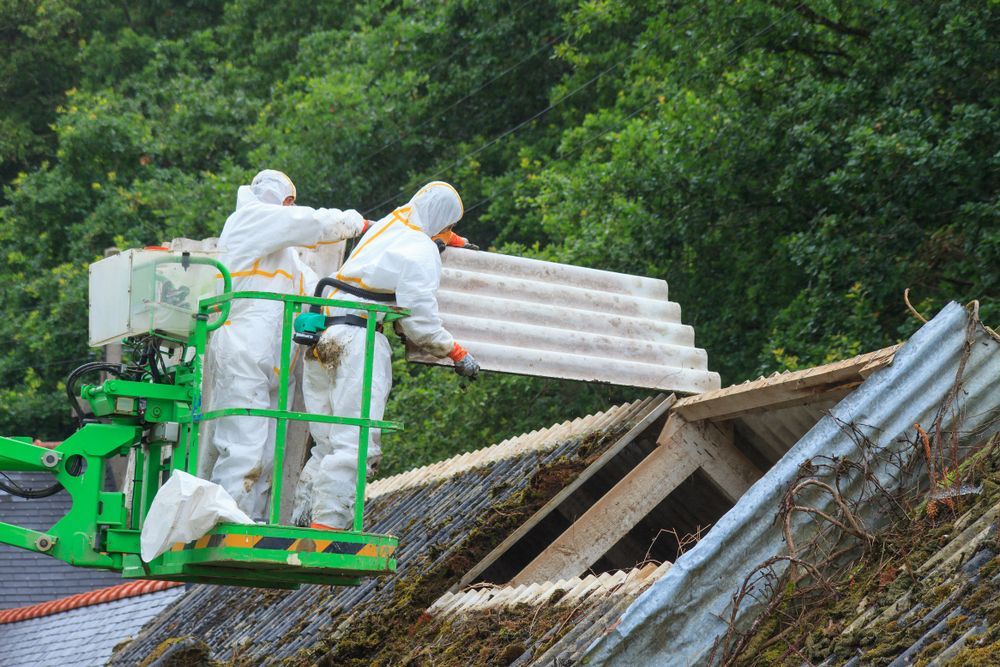
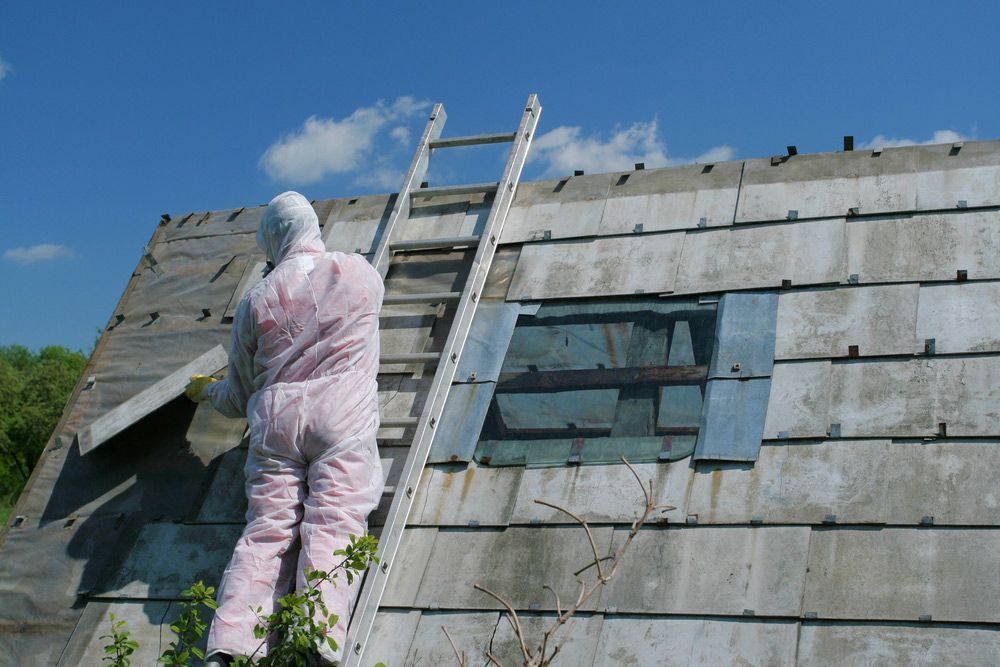
Detached fibro sheds and carports: Pre-1987 outbuildings are common on Lismore properties and often contain asbestos in the sheeting, roofing or insulation. Demolishing a detached shed is frequently a partial demolition job — the main house remains but the outbuilding comes down. Older Lismore homes often contain asbestos in the sections most commonly partially demolished — learn what's involved with asbestos removal in Lismore before works begin.
Dilapidated second storeys: Where a two-storey home has an upper level that's flood-damaged, structurally compromised or simply beyond economic repair, removing the second storey while retaining the ground floor is a partial demolition scope that requires careful structural management.
Internal wall removal ahead of reconfiguration: Internal wall removal in NSW is technically selective demolition when it involves load-bearing walls. This is a common precursor to home extensions or open-plan reconfiguration.
Do I Need Council Approval for Partial Demolition?
This is the question that catches most Lismore homeowners off guard — and the answer depends on the specific scope and structure involved.
Under NSW planning rules, partial demolition of an attached structure — removing a section of the main house — will generally require either a Complying Development Certificate (CDC) or a Development Application (DA) lodged with Lismore City Council or Richmond Valley Council depending on location. A CDC is the faster private certification pathway and applies where the work meets specific standards.
Detached outbuildings under a certain floor area threshold may be exempt from formal approval, but this depends on the specific structure and site. The safe approach is always to confirm with council or a certifier before works begin rather than assuming an exemption applies.
Partial demolition may still require council approval — read our guide on demolition permits in Lismore to understand what Lismore City Council requires before you commit to any scope.
Asbestos and Partial Demolition in Lismore
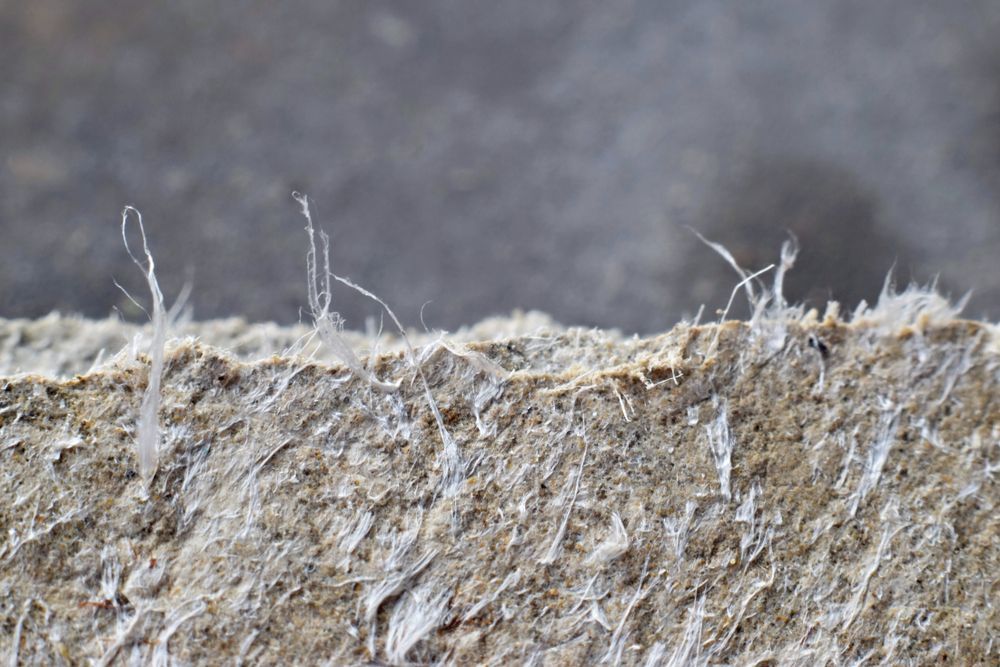
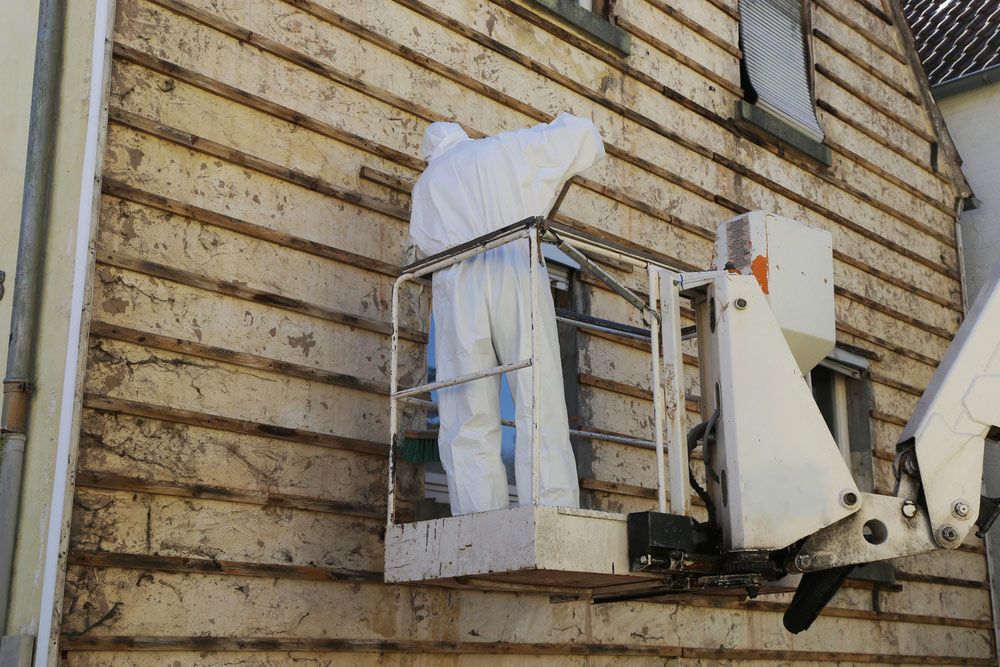
Any partial demolition of a pre-1987 Lismore home should include an asbestos inspection of the affected section before works begin. The structures most commonly partially demolished — fibro extensions, detached sheds, lean-tos, older carports — are exactly the structures most likely to contain asbestos in the sheeting, roofing or internal lining.
Asbestos-containing material must be identified, handled and disposed of by a licensed removalist under NSW regulations. This is not optional and not a scope that can be skipped to reduce cost. A partial demolition contractor who includes asbestos assessment and management in their process removes a significant compliance risk from the homeowner.
How the Partial Demolition Process Works
A partial demolition job follows a defined process regardless of the scope:
Structural assessment: The contractor assesses the building to understand load paths — what the section being removed is carrying, what needs to be shored during removal and how the remaining structure will perform once the section is gone.
Asbestos inspection: For any pre-1987 structure, an asbestos inspection of the affected section is completed before work begins.
Council approval: The contractor or owner confirms whether a CDC or DA is required and manages or advises on lodgement.
Controlled removal: The section is removed in a controlled sequence, shoring is installed where required and the remaining structure is stabilised and made weather-tight.
Material disposal: All material is removed from site and disposed of compliantly — including asbestos if present.
Get in Touch
At
Ballina Demolitions, we carry out demolition Lismore homeowners and property managers can rely on — from flood-damaged extensions and fibro outbuildings through to internal structural removals ahead of renovation. Our team assesses the scope, manages any asbestos present and provides a clear quote before any work begins.
Get in touch to arrange an assessment.