Bathroom Strip-Outs In Older Homes: What's Involved When There's Asbestos Behind The Tiles
Table of Contents:
- Can An Older Bathroom Contain Asbestos?
- How Can You Tell If Bathroom Tiles Have Asbestos?
- What Happens If Asbestos Is Behind The Bathroom Tiles?
- Why Does The 10-Square-Metre Rule Matter?
- What Does A Bathroom Strip-Out Include?
- How Much Does It Cost To Demolish A Small Bathroom?
- How Does Asbestos Affect The Renovation Timeline?
- What Should You Do Before Booking A Bathroom Strip-Out?
- FAQs
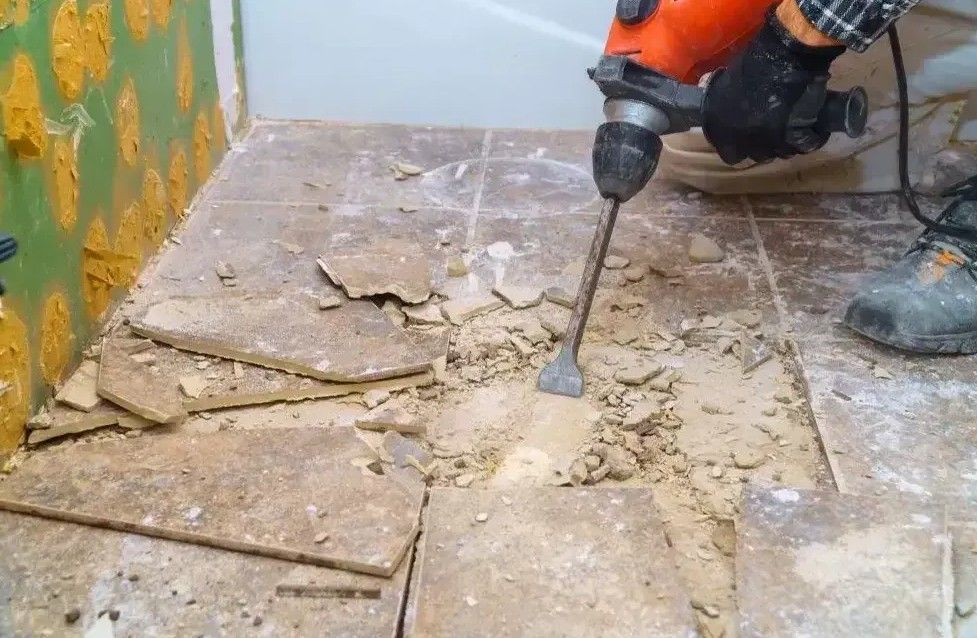
A bathroom strip-out in an older Northern Rivers home can become a different job if asbestos-containing material sits behind the tiles, under flooring or elsewhere in the room. Before demolition starts, suspect materials need to be identified so the removal method, cost and renovation timeline can be planned correctly.
If you're organising asbestos removal in Lismore as part of a bathroom renovation, testing before trades start can prevent an unexpected discovery halfway through demolition.
Can An Older Bathroom Contain Asbestos?
Yes. Asbestos-containing materials were used in numerous parts of Australian homes, including bathrooms. NSW Government guidance identifies asbestos cement sheeting in bathrooms and behind ceramic tiles as one potential location, while some older floor coverings can also contain asbestos.
This matters because a bathroom that looks relatively modern may still contain older materials underneath later renovations. Common areas requiring investigation can include wall and ceiling sheeting, material behind tiles and flooring or material beneath floor coverings. Asbestos cement products are generally classed as non-friable while they're intact, but disturbing or damaging them can create additional risk.
Before anyone starts lifting tiles or cutting into unknown sheeting, we advise reading our guide Safe Renovations: The Role of Asbestos Testing Before You Begin which explains why identifying suspect materials first is important.
How Can You Tell If Bathroom Tiles Have Asbestos?
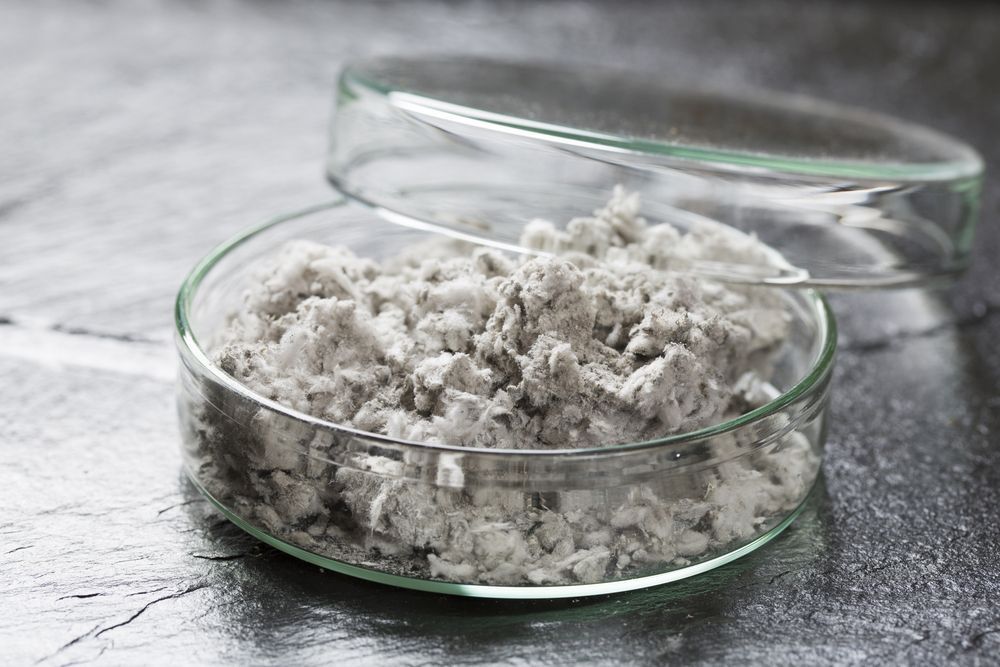
You can't reliably confirm asbestos just by looking at a bathroom tile, sheet or floor covering. NSW asbestos guidance states that asbestos can't be confirmed by sight or smell and recommends testing suspect material.
The important question also isn't necessarily whether the ceramic tile itself contains asbestos. In older bathrooms, the material behind or underneath the visible finish may be the concern. For example, tiles may have been installed over older fibre cement wall sheeting. Removing the tiles can damage the sheet behind them, turning what initially looked like straightforward tile removal into asbestos-related work if testing confirms that the substrate contains asbestos. That's why testing before demolition gives a much clearer picture of the actual bathroom strip-out scope.
What Happens If Asbestos Is Behind The Bathroom Tiles?
If testing confirms asbestos-containing sheeting behind tiles, the demolition plan needs to account for that material before a standard strip-out continues.
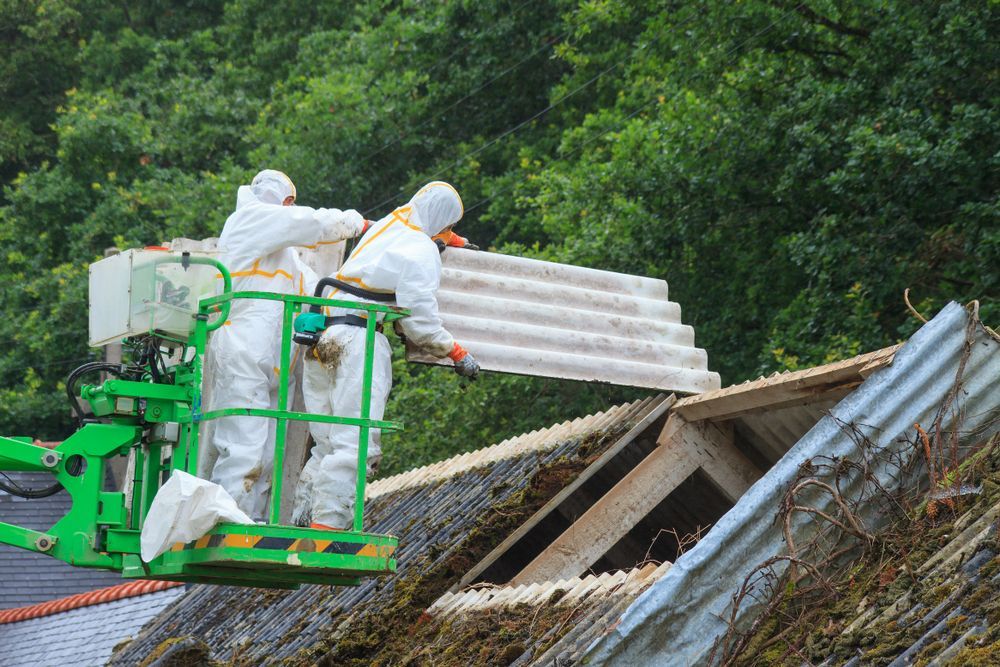
Trying to remove every tile independently may not be practical where they're strongly fixed to the underlying sheet. Breaking, cutting or aggressively stripping the substrate can disturb the asbestos-containing material. Instead, the confirmed asbestos needs to be managed under the applicable asbestos-removal requirements.
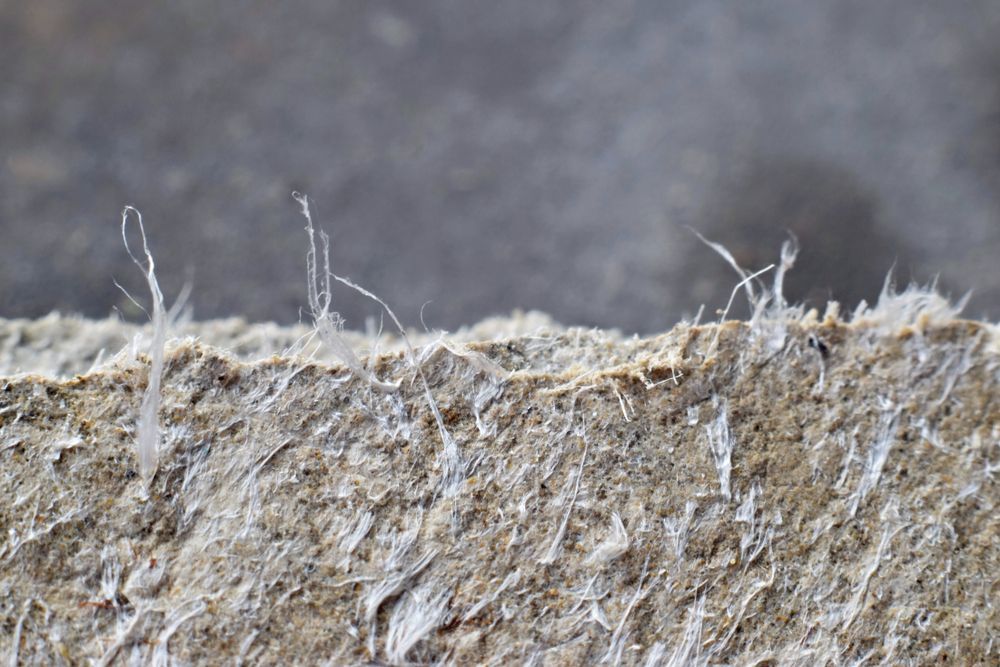
Fibre cement products are commonly non-friable asbestos materials. Our non-friable asbestos removal service covers this category of bonded material.
Once the asbestos removal has been completed and the required clearance process is finished, the renovation can progress to the next stage.
Why Does The 10-Square-Metre Rule Matter?
This is one of the most important scope considerations in an older bathroom. In NSW, a Class A or Class B asbestos removal licence is required to remove more than 10 square metres of non-friable asbestos-containing material. Any amount of friable asbestos requires a Class A licensed removalist. SafeWork NSW recommends using a licensed asbestos professional for any amount of asbestos.
Ten square metres can be easier to reach than homeowners expect once multiple surfaces are included. A bathroom might contain confirmed asbestos-containing wall sheeting, flooring or ceiling material. The relevant quantity is the asbestos-containing material being removed, not simply the room's floor area.
For licensed asbestos removal work, SafeWork NSW also requires a clearance inspection at completion before the area is reoccupied. For non-friable licensed removal, that clearance must be completed by an independent competent person or licensed asbestos assessor. That additional process is one reason asbestos can change both the scope and scheduling of a bathroom renovation.
What Does A Bathroom Strip-Out Include?
A bathroom strip-out removes the existing finishes, fixtures and materials required to prepare the room for rebuilding. The exact scope depends on what the builder, plumber, waterproofer and other trades need removed.
A typical project may involve removing items such as:
- Existing bathroom fixtures and cabinetry
- Wall and floor finishes
- Wall or ceiling linings included in the demolition scope
- Flooring materials
- Demolition waste generated during the strip-out
In an older home, however, we don't want demolition to reveal an asbestos problem after materials have already been disturbed. If testing confirms asbestos, the project can instead be planned around controlled asbestos removal and the required clearance before ordinary demolition or rebuilding continues.
The same principle can apply to a kitchen strip-out in an older property, where suspect wall linings, splashback substrates or flooring may also need assessment before demolition.
How Much Does It Cost To Demolish A Small Bathroom?
There's no reliable single price for demolishing a small bathroom because size alone doesn't determine the workload. A bathroom demolition cost can change according to the construction materials, access, amount of material being removed, waste requirements and whether asbestos testing or licensed removal becomes necessary.
For an older bathroom, a quote may therefore change after testing. A room initially expected to involve ordinary tile and lining removal may require a different removal process if asbestos-containing material is identified behind those finishes.
The amount and type of asbestos also matter. More than 10 square metres of non-friable asbestos requires licensed removal in NSW, while friable asbestos has stricter licensing requirements regardless of quantity. For that reason, comparing bathroom strip-out costs without comparing the actual scope can be misleading. A useful quote should reflect what needs to come out and whether hazardous materials require specialist handling.
How Does Asbestos Affect The Renovation Timeline?
Asbestos can add stages that wouldn't exist in a standard bathroom demolition. For licensed removal involving more than 10 square metres of non-friable asbestos, SafeWork NSW requires notification at least five calendar days before the licensed removal work starts.
The removal itself then needs to be completed before the required clearance process. Only after the area has been appropriately cleared should subsequent work proceed. This is why identifying asbestos before booking your renovation trades can make project planning much easier. Builders, plumbers and tilers can work around a known asbestos-removal schedule rather than stopping unexpectedly after demolition has begun.
What Should You Do Before Booking A Bathroom Strip-Out?
If you're renovating an older Northern Rivers property and suspect asbestos, make identification part of the planning stage rather than waiting for demolition day. Don't rely on appearance alone. Establish what materials are likely to be disturbed and arrange appropriate testing where required.
Once the results are available, the strip-out can be scoped around the actual materials in the room. If testing confirms asbestos in wall sheeting or other areas, our asbestos removal Lismore team can discuss the removal requirements before the rest of the renovation progresses.
An older bathroom isn't necessarily a standard demolition job just because the room is small. Knowing what's behind the tiles and beneath the flooring before work starts gives you a much clearer understanding of cost, scope and timing. If you're planning a bathroom renovation and aren't sure what's hidden behind the existing finishes, contact Ballina Demolitions to discuss the project. You can also request a free quote so we can help establish the likely strip-out and asbestos-removal scope before demolition begins.
FAQs
Is asbestos common behind bathroom tiles in older homes?
Asbestos cement sheeting was used in wet areas and could be installed behind ceramic tiles in older homes. Its presence can't be confirmed by appearance alone, so suspect material should be assessed before it's disturbed.
Can you remove bathroom tiles if asbestos is behind them?
Removing tiles can disturb asbestos-containing sheeting underneath, particularly where the tiles are firmly bonded to it. If asbestos is confirmed, the removal method needs to account for the substrate rather than treating the job as ordinary tile demolition.
How much does a bathroom strip-out cost?
Costs depend on the room, materials, access, demolition scope, waste and whether asbestos testing or removal is required. An older bathroom may need testing before an accurate final scope can be established.
Does all bathroom asbestos require a licensed removalist?
In NSW, removing more than 10 square metres of non-friable asbestos requires an appropriate asbestos removal licence, while any amount of friable asbestos requires Class A licensed removal. SafeWork NSW recommends engaging a licensed professional for any amount of asbestos.
Do I need asbestos testing before renovating a pre-1990 bathroom?
If the renovation will disturb materials suspected of containing asbestos, testing can establish what you're dealing with before demolition begins. You can't reliably confirm asbestos simply by looking at a material.