How Asbestos Exposure Can Affect Your Health
Table of Contents:
- What Are The Health Effects Of Asbestos Exposure?
- How Long Does It Take For Symptoms Of Asbestos Exposure To Appear?
- How Dangerous Is Short-Term Exposure To Asbestos?
- Why Symptoms Are Easy To Miss Early On
- Identifying Asbestos Before It Becomes A Health Risk
- Why Professional Removal Reduces Health Risk
- Protecting Your Family And Property Long-Term

Asbestos doesn't announce itself. There's no smell, no immediate irritation, no obvious sign that something harmful has entered the air around you. That's precisely what makes it such a serious concern for property owners, particularly those living in or renovating older homes where asbestos-containing materials were once standard building products.
Many people searching for
asbestos removal in Tweed Heads are also asking two closely related questions: how long before asbestos affects you, and how dangerous is asbestos in the first place. Understanding how exposure actually affects the body, how long health effects can take to appear, and why even brief exposure carries real risk is essential knowledge for anyone managing a property that might contain asbestos.
What Are The Health Effects Of Asbestos Exposure?
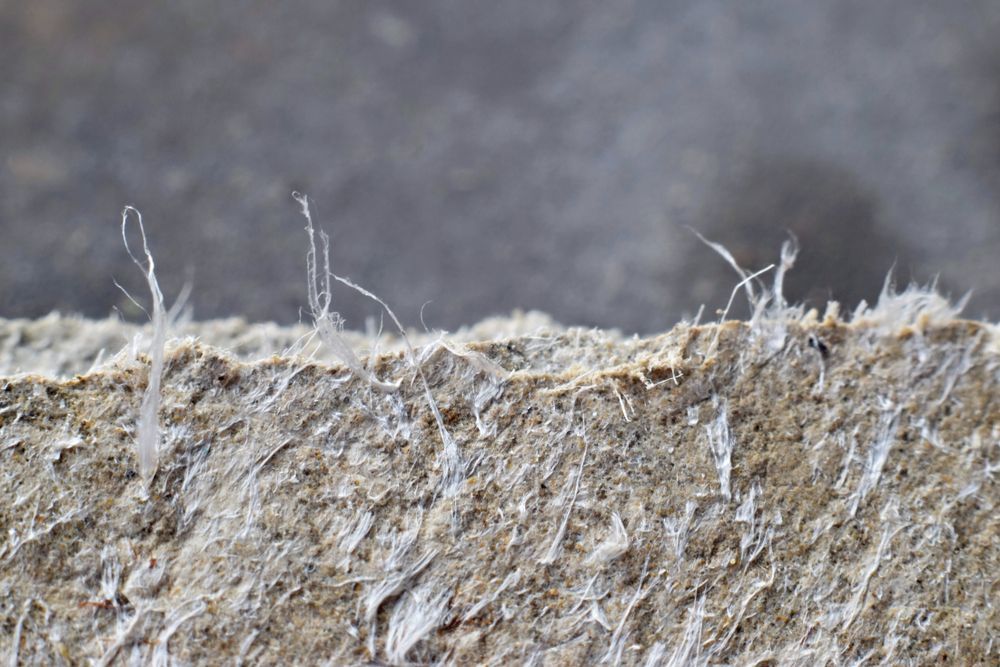
When asbestos-containing materials are disturbed, damaged or deteriorating, they can release microscopic fibres into the air. Once inhaled, these fibres can become lodged in lung tissue, where they may cause inflammation and scarring over time. The health conditions linked to asbestos exposure are serious and, in many cases, irreversible.
- Asbestosis – A chronic lung disease caused by scarring of lung tissue, leading to breathing difficulties
- Mesothelioma – A rare and aggressive cancer affecting the lining of the lungs, chest or abdomen, almost exclusively linked to asbestos exposure
- Lung cancer – Asbestos exposure significantly increases the risk of lung cancer, particularly when combined with smoking
- Pleural plaques and thickening – Changes to the lining of the lungs that can affect breathing capacity over time
These conditions don't develop from a single fibre or a passing whiff of dust — they're the result of fibres accumulating in lung tissue and causing damage that builds gradually, often over many years.
How Long Does It Take For Symptoms Of Asbestos Exposure To Appear?
One of the most concerning aspects of asbestos exposure is the delay between exposure and any noticeable symptoms. Asbestos-related diseases typically have a long latency period, often ranging from twenty to forty years between initial exposure and the emergence of symptoms.
- Symptoms rarely appear immediately after exposure, even in significant cases
- Latency periods can span several decades, making early exposure easy to forget or overlook
- By the time symptoms do appear, underlying lung damage is often already well established
This extended delay is part of why asbestos exposure is so often underestimated. A property owner who disturbed asbestos materials years ago during a renovation may have no reason to connect a health issue that appears decades later back to that original exposure.
How Dangerous Is Short-Term Exposure To Asbestos?
There's a common assumption that only long-term, workplace-level exposure to asbestos carries real risk, but short-term exposure shouldn't be dismissed. The danger of any exposure depends on factors like fibre concentration, the type of asbestos involved, and how the material was disturbed.
- There is no universally recognised "safe" level of asbestos exposure
- A single, high-concentration exposure event, such as cutting or breaking asbestos sheeting, can release a significant number of fibres into the air
- DIY renovation work involving undisclosed asbestos materials is a common source of short-term, high-risk exposure
- Risk is generally understood to increase with the amount and duration of exposure, but even brief exposure to disturbed material is not considered risk-free
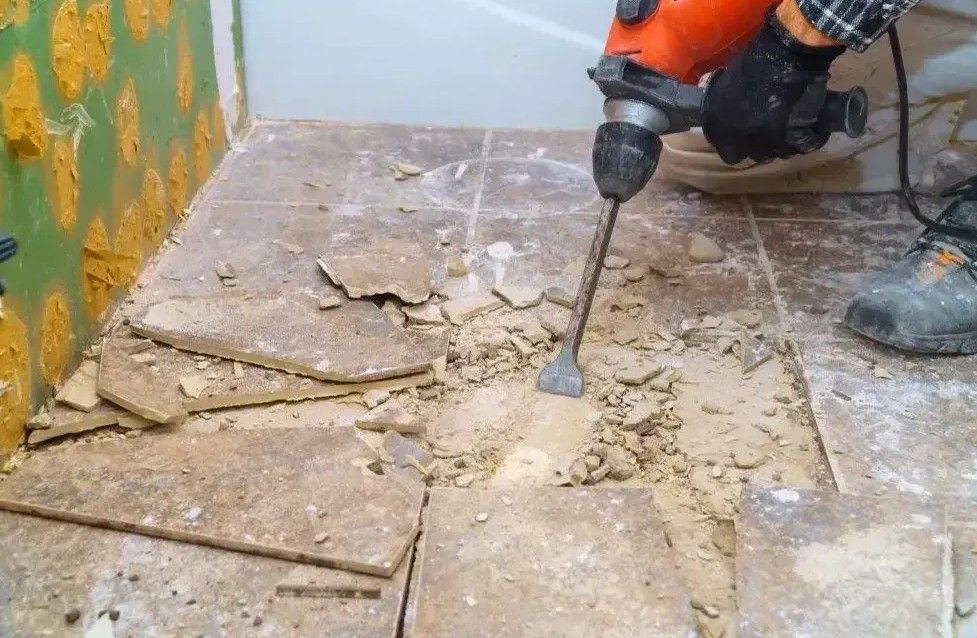
This is precisely why activities like drilling, sanding, cutting or demolishing suspected asbestos materials without proper precautions are treated so seriously, even if the exposure itself only lasts a short time.
Why Symptoms Are Easy To Miss Early On
Even once symptoms of asbestos-related illness begin to appear, they're often mistaken for far more common and less serious conditions. Shortness of breath, a persistent cough or general fatigue can easily be attributed to ageing, fitness levels or a mild respiratory illness, delaying proper investigation.
- Early symptoms often overlap with common respiratory conditions
- Gradual onset means changes can be easy to dismiss as normal ageing
- Delayed recognition often means the underlying damage has already progressed
This is not medical advice, and anyone concerned about symptoms related to past asbestos exposure should speak with a doctor for proper assessment and guidance.
Prevention is by far the most effective way to protect against asbestos-related health risks, and that starts with correctly identifying materials before they're disturbed. Older homes, particularly those built or renovated before the mid-1980s, are far more likely to contain asbestos cement products in roofing, wall sheeting, flooring and eaves.
If you're planning a renovation or repair and aren't sure whether a material could contain asbestos, our guide on
how to identify asbestos in your home walks through the signs to look for and when professional testing is the safer option.
Why Professional Removal Reduces Health Risk
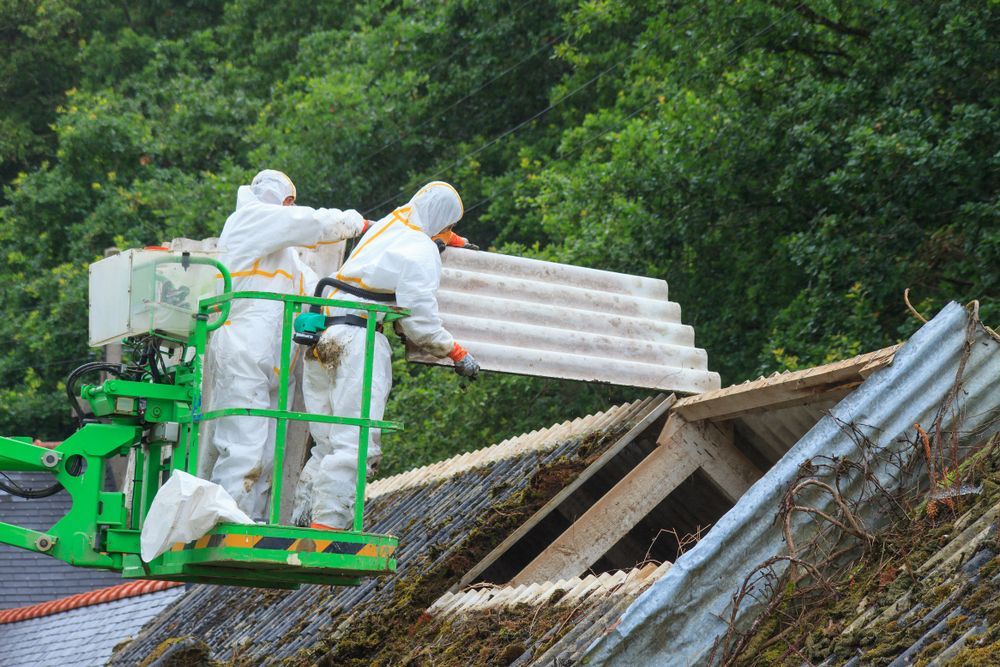
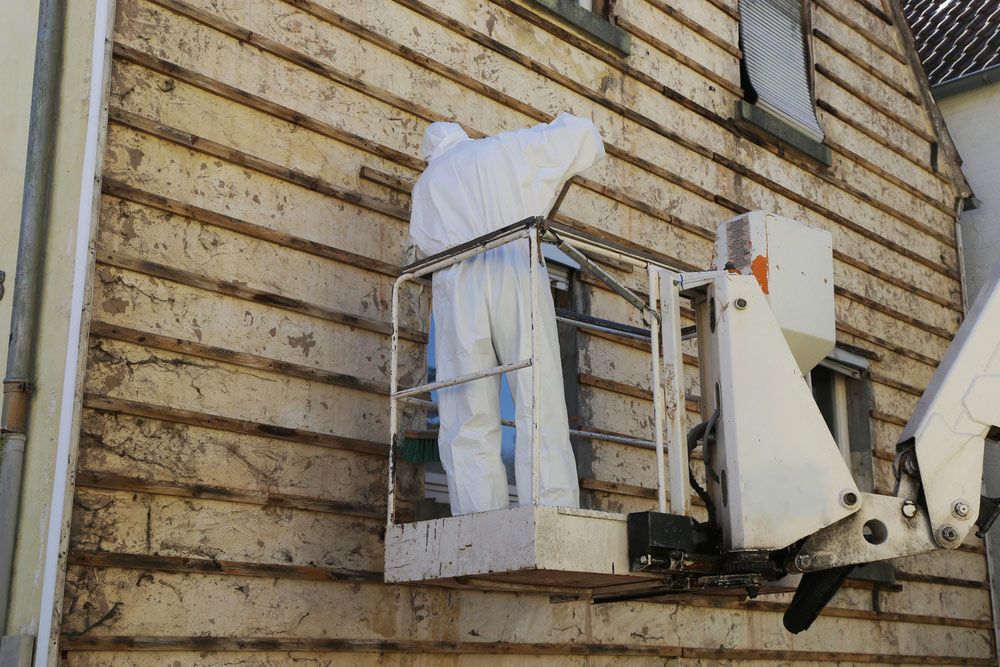
Given the long latency periods and serious nature of asbestos-related illness, professional removal isn't just a compliance requirement — it's a genuine health protection measure. Licensed removalists follow strict procedures specifically designed to prevent fibres from becoming airborne in the first place.
- Containment and wetting procedures suppress fibre release during removal
- Materials are removed intact wherever possible, rather than broken or cut
- Proper double-wrapping and disposal prevents fibres from spreading during transport
- Clearance certification confirms a site is safe before further work begins
Attempting to remove or disturb asbestos materials without this level of care significantly increases the risk of exposure, both for the person doing the work and anyone else on the property at the time.
Protecting Your Family And Property Long-Term
Because the health effects of asbestos exposure can take decades to appear, the decisions made today around identifying, managing or removing asbestos materials have consequences that extend well into the future. Treating any suspected asbestos material with caution, and engaging a licensed professional rather than handling it independently, is one of the most important steps a property owner can take to protect their family's long-term health.
If you own a property in the region and suspect asbestos materials are present, our professional asbestos removal in Tweed Heads can identify the risk and manage it safely from start to finish. Get in touch today to arrange an inspection and take the uncertainty out of dealing with asbestos on your property.