Asbestos Clearance Certificate In Tweed Heads: What It Is And When You Need One
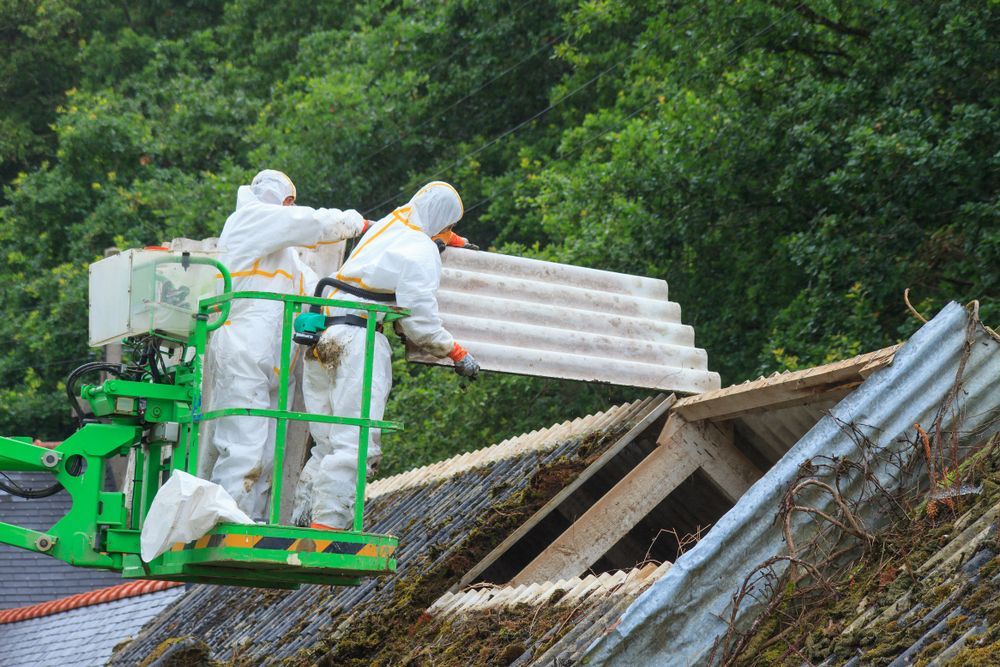
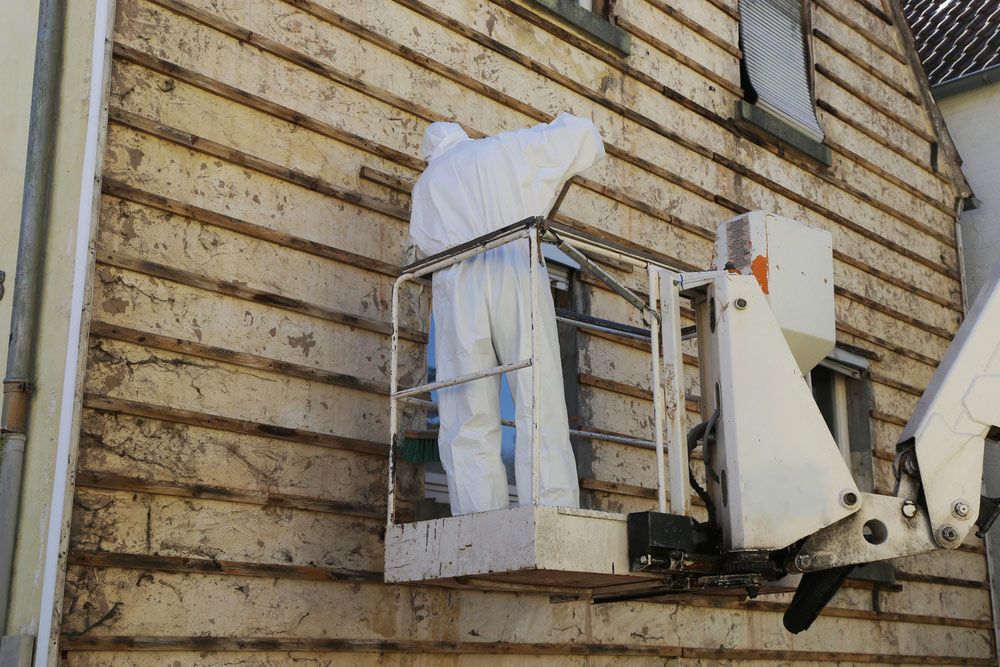
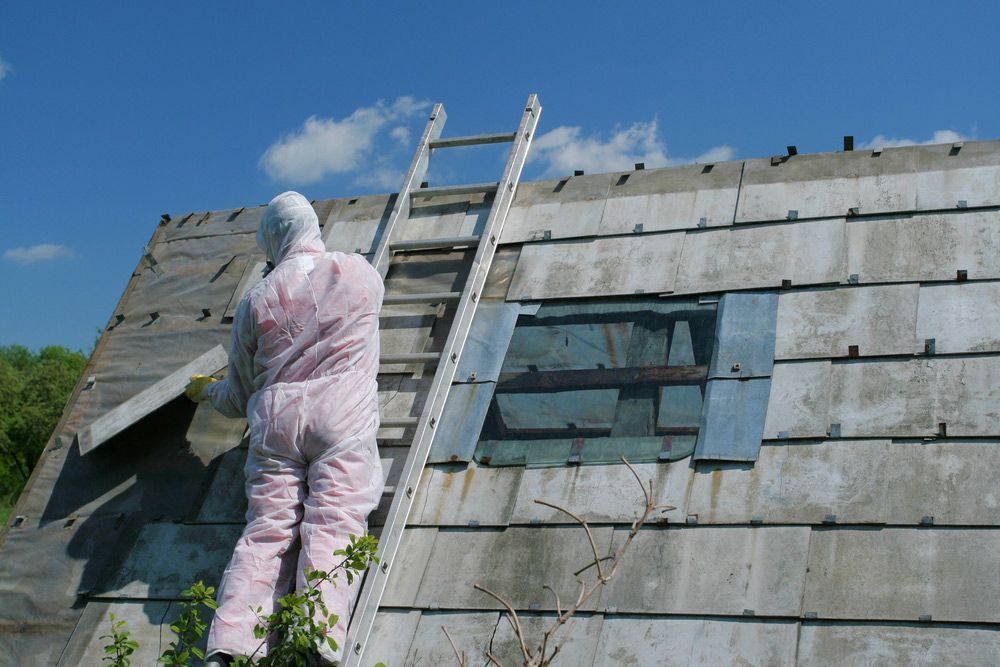
Many homeowners assume the job is finished the moment the asbestos removalist packs up and leaves. Legally, it isn't. Once asbestos removal in Tweed Heads is complete, there's a separate compliance step most people have never heard of — and skipping it can leave you without the paperwork you need to sell, renovate further or prove your home is safe to reoccupy.
Do I Need a Clearance Certificate After Asbestos Removal in NSW?
In most cases, yes. Under the NSW Work Health and Safety Regulation 2017, a clearance inspection and certificate is required after the removal of any friable asbestos, and after removal of more than 10 square metres of non-friable (bonded) asbestos. Given how common fibro construction is in older Tweed Heads homes, most genuine removal jobs in the area will fall into one of these categories.
The part that catches homeowners out is this: the certificate can't be issued by whoever removed the asbestos. It has to come from an independent third party — a licensed asbestos assessor with no involvement in the actual removal work. This separation exists specifically so the person confirming the area is safe has no conflict of interest in saying so.
Who Can Issue an Asbestos Clearance Certificate?
Only a licensed asbestos assessor, or in some non-friable cases an independent competent person, can issue a valid clearance certificate in NSW. This person is entirely separate from your removal contractor, even if your removalist arranges the assessor on your behalf as part of a coordinated service.
For friable asbestos removal specifically, a Licensed Asbestos Assessor holding a SafeWork NSW licence must carry out the clearance inspection. For non-friable removal, the requirement can sometimes be met by an independent competent person, though many contractors and councils request a licensed assessor regardless of the exact area involved, particularly where there's any doubt about the material or condition of the site. Clearance requirements differ depending on the type of asbestos removed — our guide to
friable asbestos explained covers the key distinctions in more detail.
What Does an Asbestos Clearance Certificate Include?
A valid clearance certificate is a written document, not just a verbal all-clear, and it generally includes:
- The property address and a description of the asbestos removal work carried out
- Confirmation that a visual inspection found no visible asbestos residue, fragments or debris in the work area and its immediate surroundings
- Air monitoring results, where monitoring was required or conducted
- The signature and licence details of the assessor who carried out the inspection
- A clear statement that the area is safe for reoccupation or for further work to proceed
Without this document, there's no formal, independent confirmation that your property is genuinely clear — just the removalist's word, which isn't sufficient under NSW regulations for jobs meeting the friable or 10-square-metre threshold.
What Actually Happens During a Clearance Inspection
A clearance inspection starts with a visual assessment of the work area and surrounding zone, checking specifically for any leftover asbestos-containing material, fragments or dust that shouldn't be there. This is the baseline step for every clearance, regardless of asbestos type.
Air monitoring is the part that often confuses homeowners. It isn't automatically required for every job. Air monitoring is typically necessary for friable asbestos removal, where airborne fibre risk is inherently higher, or where there's genuine uncertainty about fibre levels following non-friable removal. When it is carried out, air samples are analysed in a NATA-accredited laboratory, and the area can't be cleared for reoccupation unless fibre levels come back below the required threshold.
For many straightforward non-friable jobs, however, a visual inspection alone can satisfy the clearance requirement — so it's worth asking your assessor directly whether monitoring applies to your specific job rather than assuming it always adds extra cost and time.
Why This Matters More in Tweed Heads
Tweed Heads has a particularly high concentration of older fibro homes, many of which are now being renovated, extended, or sold. This makes clearance certificates more than a regulatory formality here — they're increasingly part of standard due diligence for property transactions in the area.
Buyers, conveyancers and even some mortgage lenders are more frequently asking for clearance documentation before settlement on older Tweed Heads properties, particularly where recent renovation work is visible. Without a proper clearance certificate on file, sellers can find themselves fielding awkward questions, or facing delays, at exactly the point in a sale where they can least afford them.
Get the Full Process Handled, Start to Finish
Coordinating asbestos removal is one thing — making sure the compliance side is handled correctly is another, and it's easy for homeowners to assume the second part is automatic. It isn't.
For complete asbestos removal in Tweed Heads — including coordination of your clearance certificate —
Ballina Demolitions manages the full process, from initial removal through to liaising with a licensed assessor, so you're not left chasing paperwork on your own. Ballina Demolitions is licensed for both Class A and Class B
asbestos removal across Tweed Heads and the Northern Rivers.
FAQs