Landlord Obligations For Asbestos In Lismore Rental Properties: What NSW Law Actually Requires
Many older rental properties were built during a time when asbestos-containing materials were widely used in walls, ceilings, fencing, eaves, bathrooms and roofing products. In many cases, these materials may still remain in good condition and pose little immediate risk. Problems often begin when maintenance, renovations or accidental damage disturb the material without anyone realising asbestos is present.
For landlords, this creates an important responsibility. Understanding how asbestos is managed in rental properties is not only about legal compliance but also about protecting tenants, contractors and anyone carrying out work on the property. While asbestos does not always need to be removed immediately, NSW laws place clear obligations on property owners when asbestos is identified or likely to be disturbed.
For landlords managing older homes, understanding what is required can help avoid unnecessary risks, delays and costly mistakes later.
Table of Contents:
- Understanding Where Asbestos Is Commonly Found in Older Rentals
- What NSW Law Says About Managing Asbestos
- When an Asbestos Register May Be Required
- The Difference Between Managing and Removing Asbestos
- How Maintenance Work Can Trigger Legal Obligations
- Why DIY Asbestos Handling Creates Significant Risk
- How Asbestos Inspections Support Better Property Management
- Why Proactive Planning Matters for Older Rental Properties
- Learn More
Understanding Where Asbestos Is Commonly Found in Older Rentals
Asbestos was commonly used in Australian residential construction for decades because of its strength, insulation properties and fire resistance. Many homes built before the late 1980s may still contain asbestos materials in various forms.
In rental properties, asbestos may be present in both internal and external building materials.
Common locations can include:
- Fibro wall sheeting
- Bathroom and laundry linings
- Eaves and soffits
- Fencing and sheds
- Roofing materials
- Vinyl flooring backing
- Pipe insulation and cement sheeting
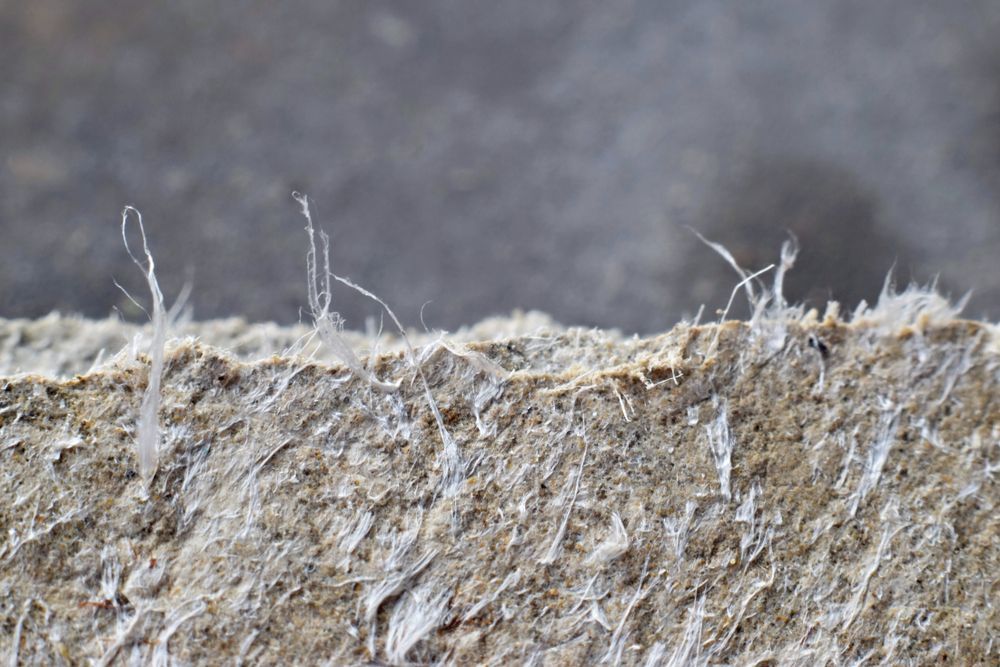
Not all asbestos materials are dangerous when left undisturbed, but ageing, damage or renovation work can increase the risk of fibres becoming airborne.
What NSW Law Says About Managing Asbestos
NSW legislation focuses heavily on the safe management of asbestos rather than automatic removal in every situation. Landlords are generally expected to take reasonable steps to identify asbestos risks and ensure tenants or contractors are not exposed to unsafe conditions. This becomes particularly important in older rental properties where maintenance or repairs are regularly required.
Responsibilities may involve:
- Managing known asbestos safely
- Informing contractors about asbestos risks before work begins
- Preventing disturbance during repairs or renovations
- Arranging professional asbestos assessment when concerns arise
- Responding appropriately if asbestos becomes damaged
In many situations, asbestos can remain in place if it is stable, sealed and unlikely to be disturbed.
When an Asbestos Register May Be Required
An asbestos register is commonly associated with workplaces and commercial properties, but some rental property situations may still require formal asbestos identification and documentation, particularly where workers regularly attend the site. Tradespeople, maintenance contractors and property managers all have obligations under workplace safety laws when asbestos risks may exist.
An asbestos register or management documentation may help:
- Identify known asbestos-containing materials
- Reduce accidental disturbance during repairs
- Inform contractors before maintenance begins
- Support safer property management practices
- Demonstrate proactive risk management
Landlords of older properties often arrange asbestos inspections before larger maintenance programs or renovation work begins.
The Difference Between Managing and Removing Asbestos
One of the biggest misunderstandings around asbestos removal Lismore services is the assumption that all asbestos must immediately be removed from a property. In reality, many asbestos-containing materials can remain safely in place if they are undamaged and properly managed. The decision usually depends on the condition of the material and the likelihood of disturbance.
Asbestos may be managed when:
- Materials are sealed and in stable condition
- The area is unlikely to be disturbed
- No renovation or demolition work is planned
- Ongoing monitoring is possible
Removal may become necessary when:
- Materials are damaged or deteriorating
- Renovations or repairs will disturb asbestos
- Water damage or impact has affected the material
- Fibres may become airborne
Professional advice helps determine whether management or removal is the safer option.
How Maintenance Work Can Trigger Legal Obligations
Routine maintenance is one of the most common ways asbestos risks are accidentally uncovered in older rental homes. A contractor drilling into fibro walls, replacing damaged sheeting or removing old fencing may unknowingly disturb asbestos materials. These situations can quickly create safety concerns if the material has not been identified beforehand.
Examples may include:
- Electricians drilling into old wall sheeting
- Plumbing work in ageing bathrooms or laundries
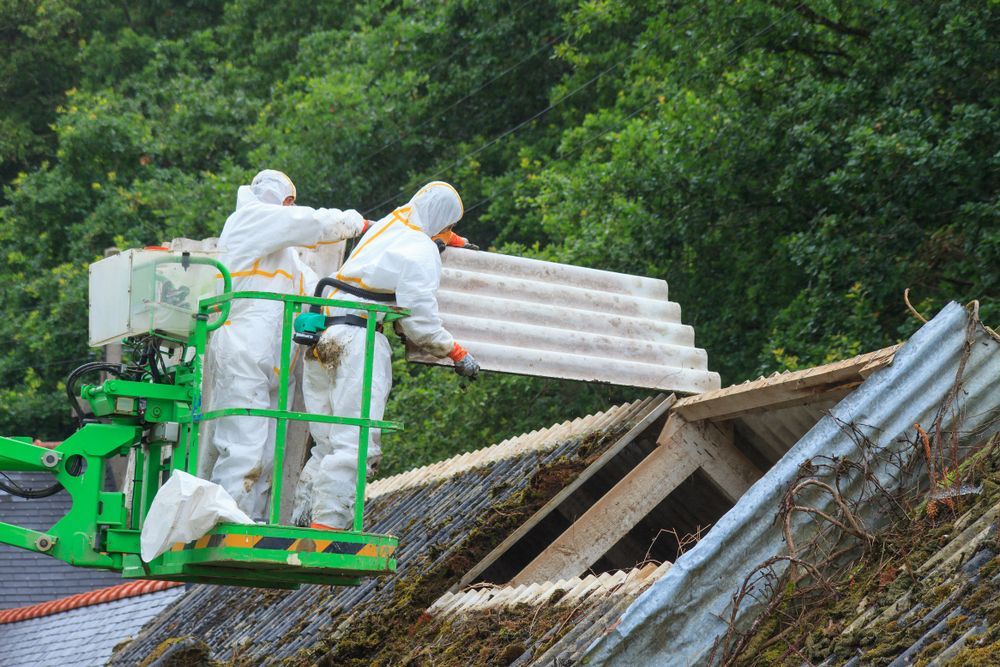
- Roofing repairs involving asbestos cement products
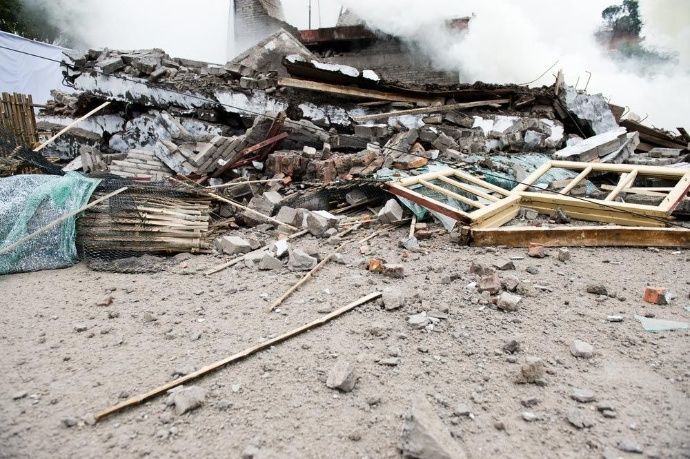
- Storm or flood damage exposing hidden materials
- Demolition of sheds or external structures
Once asbestos disturbance occurs, landlords may need immediate remediation, containment and professional asbestos removal to protect occupants and workers.
Why DIY Asbestos Handling Creates Significant Risk
Some landlords attempt to manage suspected asbestos issues themselves, particularly during small renovations or repair projects. However, incorrect handling can create serious health and legal risks. Asbestos fibres are microscopic and can remain airborne when disturbed.
DIY handling may increase the risk of:
- Fibre contamination throughout the property
- Unsafe exposure for tenants or workers
- Improper disposal of hazardous materials
- Regulatory breaches during renovations
- Delays to insurance or property works
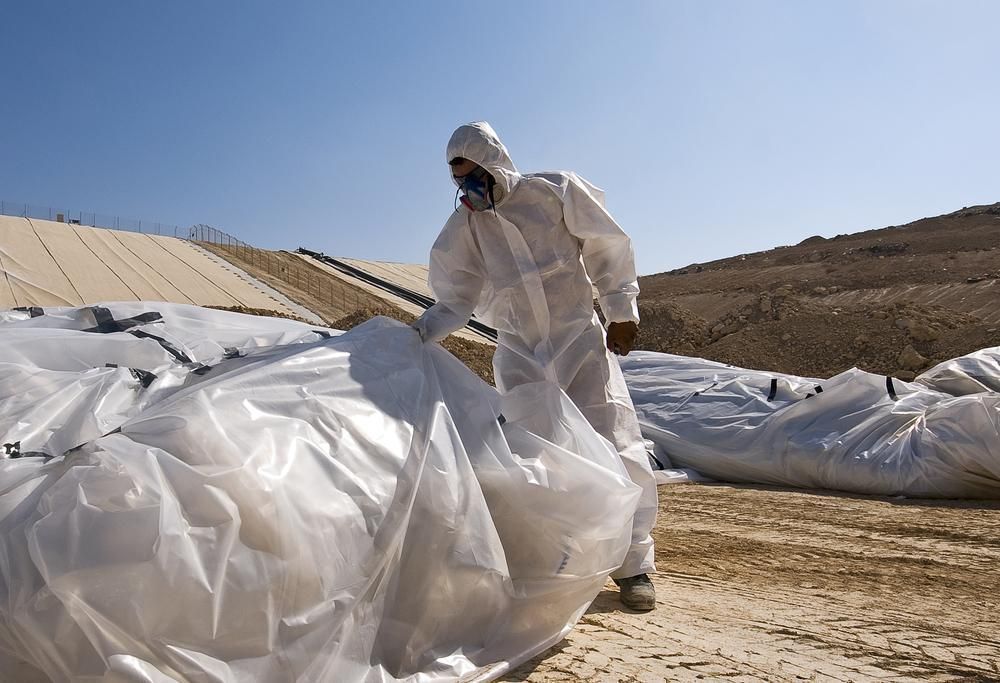
Licensed asbestos professionals follow strict containment, removal and disposal procedures designed to minimise these risks.
How Asbestos Inspections Support Better Property Management
An asbestos inspection can provide landlords with a clearer understanding of what materials may exist within the property and whether they present an immediate concern. This information can help guide future maintenance decisions and reduce the chance of unexpected problems during repairs or renovations. Inspections are particularly valuable before upgrading older homes or preparing properties for new tenants.
Benefits of inspections may include:
- Identifying high-risk asbestos materials
- Helping contractors work more safely
- Supporting renovation planning
- Reducing accidental disturbance risks
- Providing clearer documentation for property management
Rather than treating asbestos management as a reactive issue, many landlords use inspections as part of a broader long-term maintenance strategy.
Why Proactive Planning Matters for Older Rental Properties
Many asbestos-related issues only become urgent after something goes wrong. A leaking roof, damaged wall sheeting or emergency repairs can suddenly expose materials that had gone unnoticed for years. Planning ahead allows landlords to make more informed decisions before urgent situations arise.
Proactive asbestos planning may involve:
- Arranging inspections before renovations
- Keeping records of known asbestos locations
- Informing contractors before work begins
- Addressing damaged materials early
- Reviewing risks during property maintenance cycles
For landlords managing ageing homes, these steps can help reduce disruption while supporting safer outcomes for tenants and workers alike.
Learn More
At Ballina Demolitions, we understand that managing older rental properties in Lismore and surrounding NSW regions can raise important questions about asbestos responsibilities, tenant safety and legal compliance. Whether you are preparing a property for renovations, responding to maintenance concerns or arranging asbestos removal Lismore services after identifying potential risks, our team can help with inspections, safe removal and practical advice. Visit our website to learn more or contact our team today.