Understanding Non-Friable Asbestos & Safe Handling
Asbestos is one of those building hazards people assume is a thing of the past, until they pull down a ceiling panel, remove an old fence, or start renovating a laundry. Often, the material looks solid and harmless. That is the problem. Non-friable asbestos is bonded into products like cement sheeting, which makes it less likely to release fibres when left alone, but it is still asbestos. Once it is cut, broken, drilled, or sanded, the risk changes quickly.
For property owners, the goal is not to become an expert in asbestos. It is to understand what non-friable asbestos is, where it is commonly found, and when professional removal is the safest choice. This guide explains the basics in plain language, with a focus on safe handling and the importance of the right process.
Table of Contents:
- Non-Friable Doesn’t Mean Safe: Why the Risk Is Often Underestimated
- What Is Non Friable Asbestos? A Clear Definition in Plain English
- Where It Turns Up: The Everyday Building Materials Remembered Too Late
- The Moment It Becomes Dangerous: Cutting, Drilling, Sanding & Breakage
- Legal and Safety Requirements: What NSW Rules Expect on Asbestos Work
- Safe Handling Basics (For Awareness Only): What Professionals Do Differently
- When to Call a Licensed Team: The Situations That Should Never Be DIY
- After Removal: Clearance, Disposal & Peace of Mind for Property Owners
Non-Friable Doesn’t Mean Safe: Why the Risk Is Often Underestimated
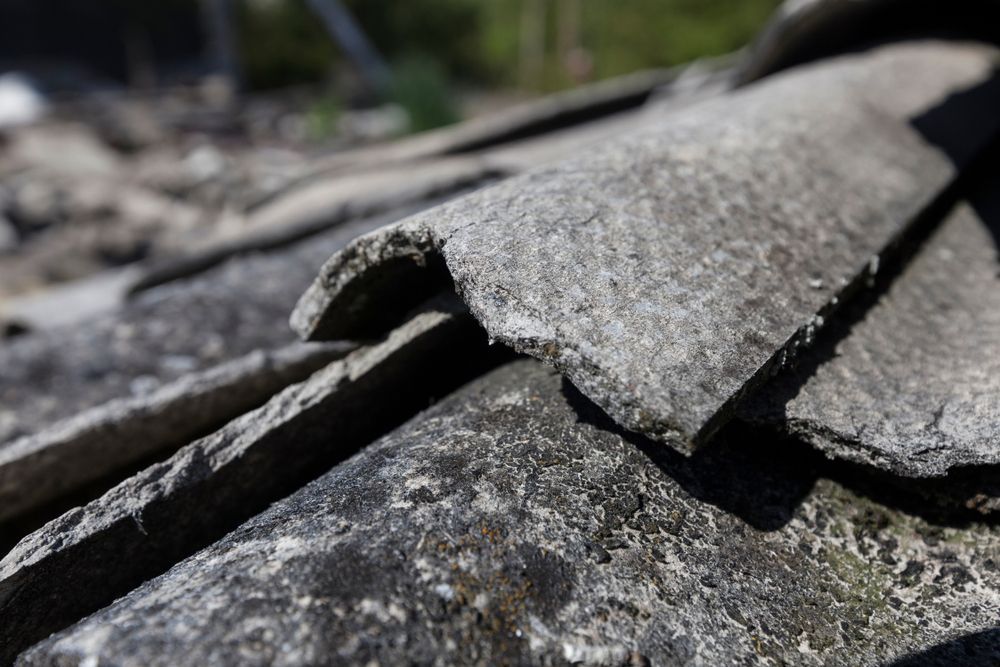
Non-friable asbestos is often described as “bonded” asbestos, which can sound reassuring. The bonding does reduce fibre release when the material is intact, but it does not remove the hazard. The danger is in disturbance, not just presence.
- Non-friable products can contain a high percentage of asbestos fibres, even if they feel solid
- Weathering, age, and water damage can make bonded materials brittle and easier to break
- Renovation work is the most common trigger, especially when people start cutting materials to fit a new layout
This is why professional assessment matters, particularly when planning demolition or building updates. Knowing what you are dealing with early reduces the risk of accidental exposure.
What Is Non Friable Asbestos? A Clear Definition in Plain English
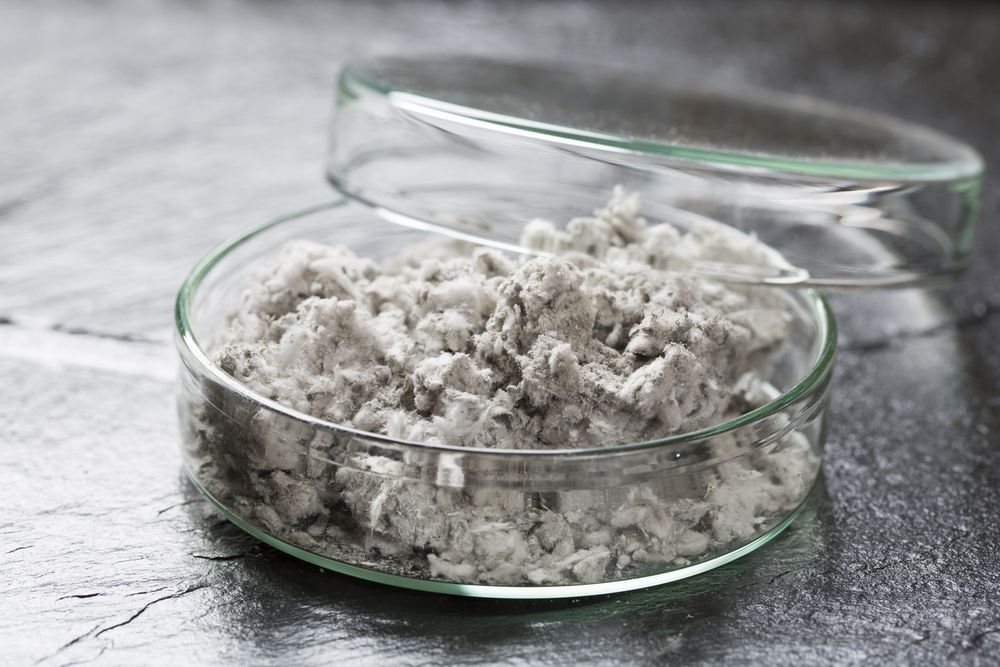
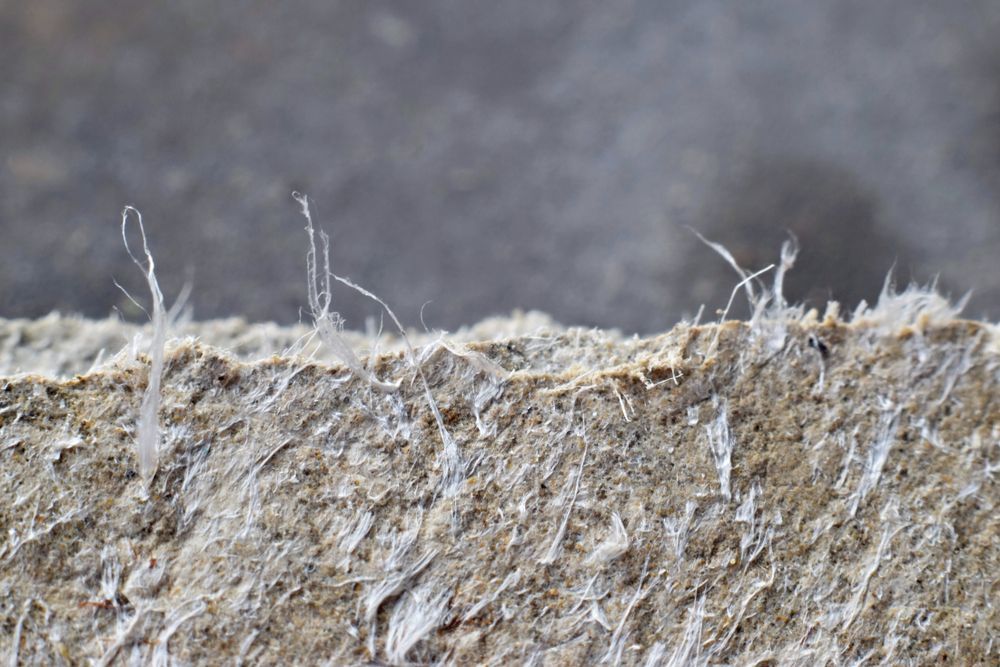
So, what is non friable asbestos? It is asbestos that is firmly bound within another material, such as cement, resin, or bitumen. Because the fibres are held in place, the material is less likely to release asbestos dust when it is in good condition and undisturbed.
- Non-friable asbestos is usually found in rigid sheets, panels, or moulded products
- It differs from friable asbestos, which can crumble easily and release fibres more readily
- It still requires careful handling, because damage can turn a stable product into a contamination risk
If there is uncertainty, sampling and testing should be done by a competent person using the correct controls. Guessing based on appearance can lead to unsafe handling.
Where It Turns Up: The Everyday Building Materials Remembered Too Late
Non-friable asbestos was used widely in Australian construction, which means it can still be present in older homes, sheds, and commercial properties. It is often discovered during repairs, upgrades, or knock-downs.
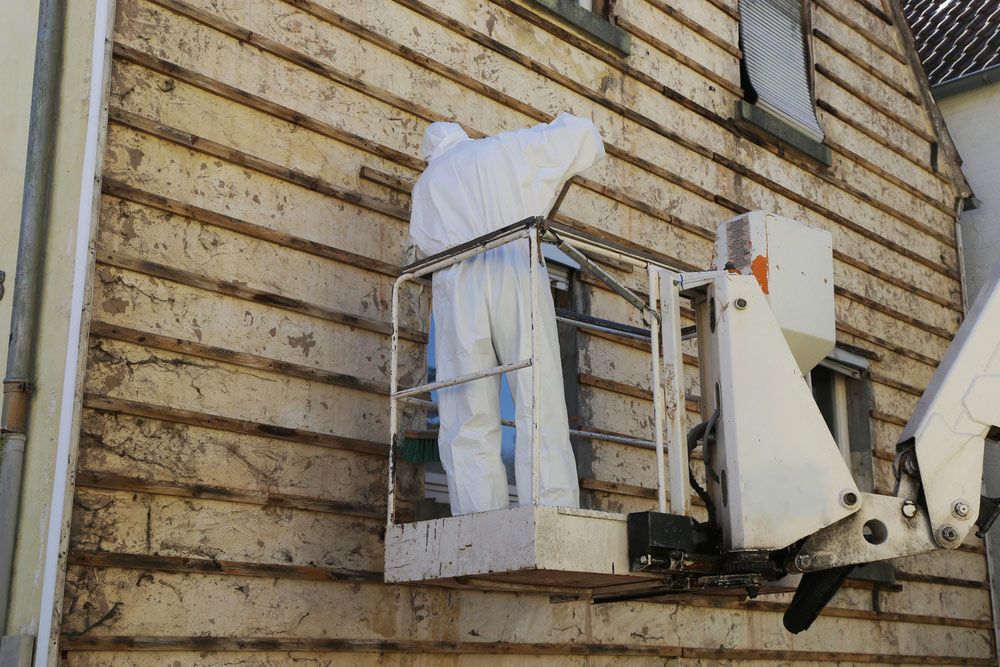
- Fibro wall and ceiling sheeting in laundries, bathrooms, and external cladding
- Eaves, soffits, gable ends, and backing boards behind tiles
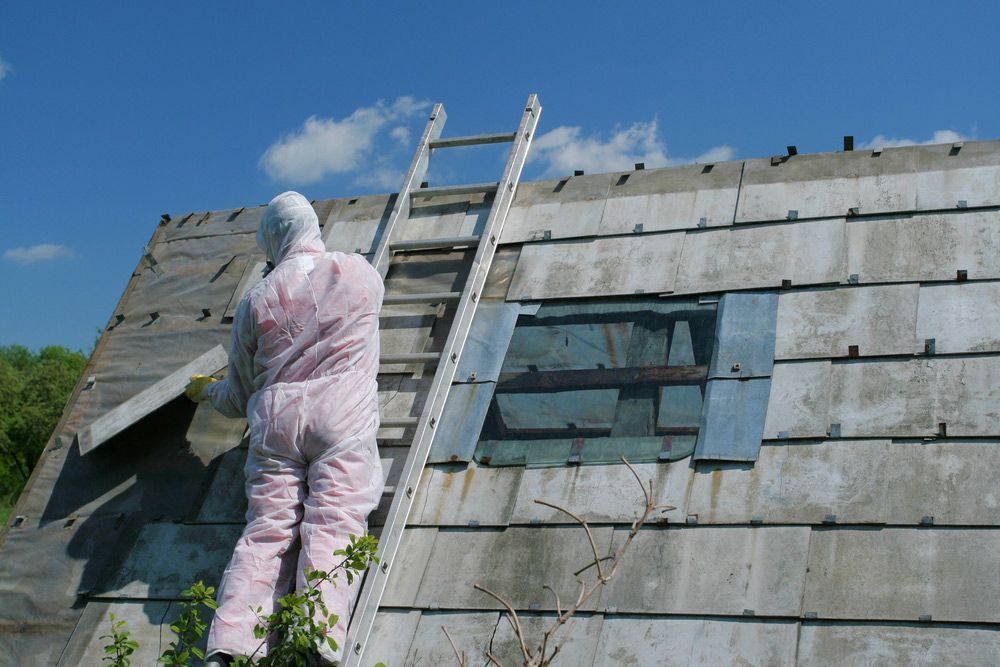
- Fencing panels and older roofing products, including some cement sheeting profiles
Many people only notice it once the job has started, which increases the likelihood of accidental breakage. Early identification supports safer planning, including how demolition will be managed and whether removal needs to be staged.
The Moment It Becomes Dangerous: Cutting, Drilling, Sanding & Breakage
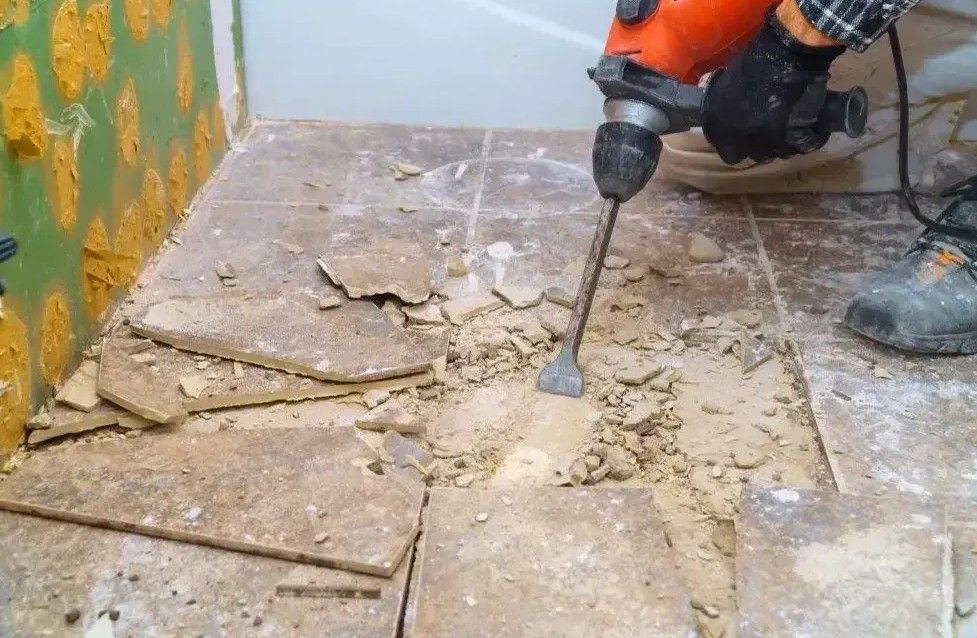
The real risk with non-friable asbestos starts when fibres become airborne. This typically happens during common DIY tasks. Even small actions like drilling a hole for a bracket can release dust if the product contains asbestos.
- Cutting, sanding, or grinding asbestos cement sheeting can produce fine airborne fibres
- Breaking sheets during removal increases dust, especially if the material is dry and brittle
- High-pressure air or water cleaning can spread contamination across the work area
This is why it is not just “removal” that matters. It is how the material is removed. Safe removal uses controlled methods to prevent dust release and protect everyone nearby.
Legal and Safety Requirements: What NSW Rules Expect on Asbestos Work
NSW has specific Work Health and Safety requirements around asbestos. These rules are designed to reduce exposure risk and ensure asbestos is handled and disposed of correctly. Even when asbestos is non-friable, obligations still apply.
- Certain asbestos removal work must be completed by a licensed removalist, depending on the amount and type
- Work must follow safe handling controls, including containment, PPE, and waste management
- Disposal must be handled as regulated waste and taken to an approved facility
SafeWork NSW provides clear guidance on asbestos identification, licensing, and removal requirements. For property owners, the key takeaway is simple: the legal responsibilities are real, and they exist to protect health long term.
Safe Handling Basics (For Awareness Only): What Professionals Do Differently
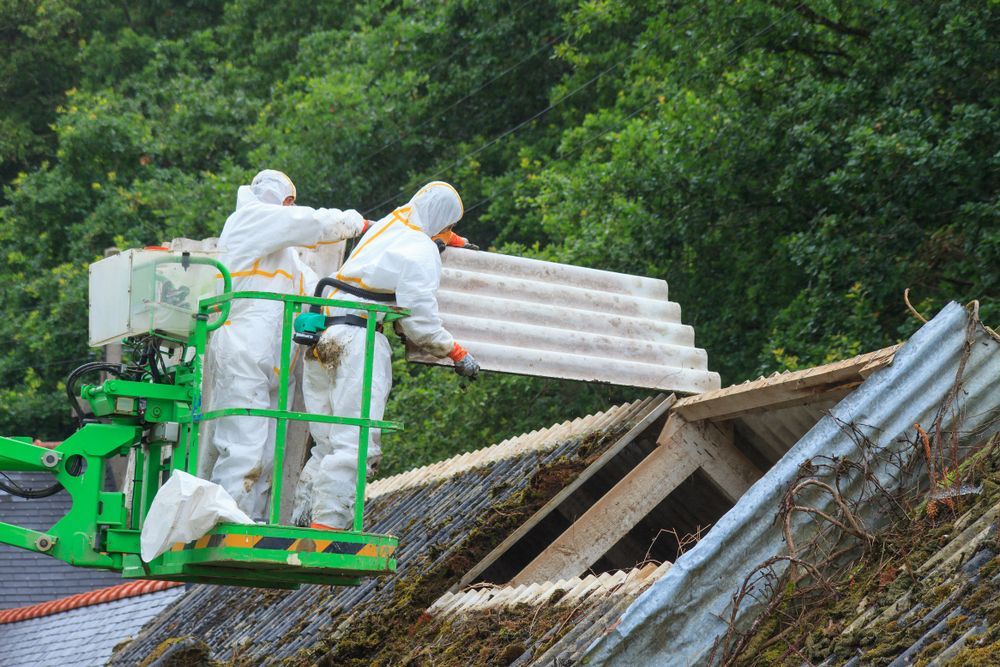
This section is not DIY advice. It is a practical outline of why professional removal is safer. The difference comes down to training, equipment, and process. A licensed team follows a system designed to prevent fibre release and stop contamination spreading offsite.
- Containment measures, exclusion zones, and signage to keep people out of the work area
- Wet methods and controlled removal to reduce airborne dust during handling
- Decontamination procedures, including HEPA filtration, safe clean-up, and regulated packaging
Professional removal is about reducing risk at every point, not just getting the material off the property. It also ensures waste is transported and disposed of correctly, which is often overlooked in DIY attempts.
When to Call a Licensed Team: The Situations That Should Never Be DIY
There are clear situations where asbestos should not be handled by an untrained person. This is especially true when the material is fragile, widespread, or located in an area that is difficult to isolate safely.
- Large areas of sheeting, multiple rooms, or external cladding removal
- Material that is damaged, weathered, or breaking apart during handling
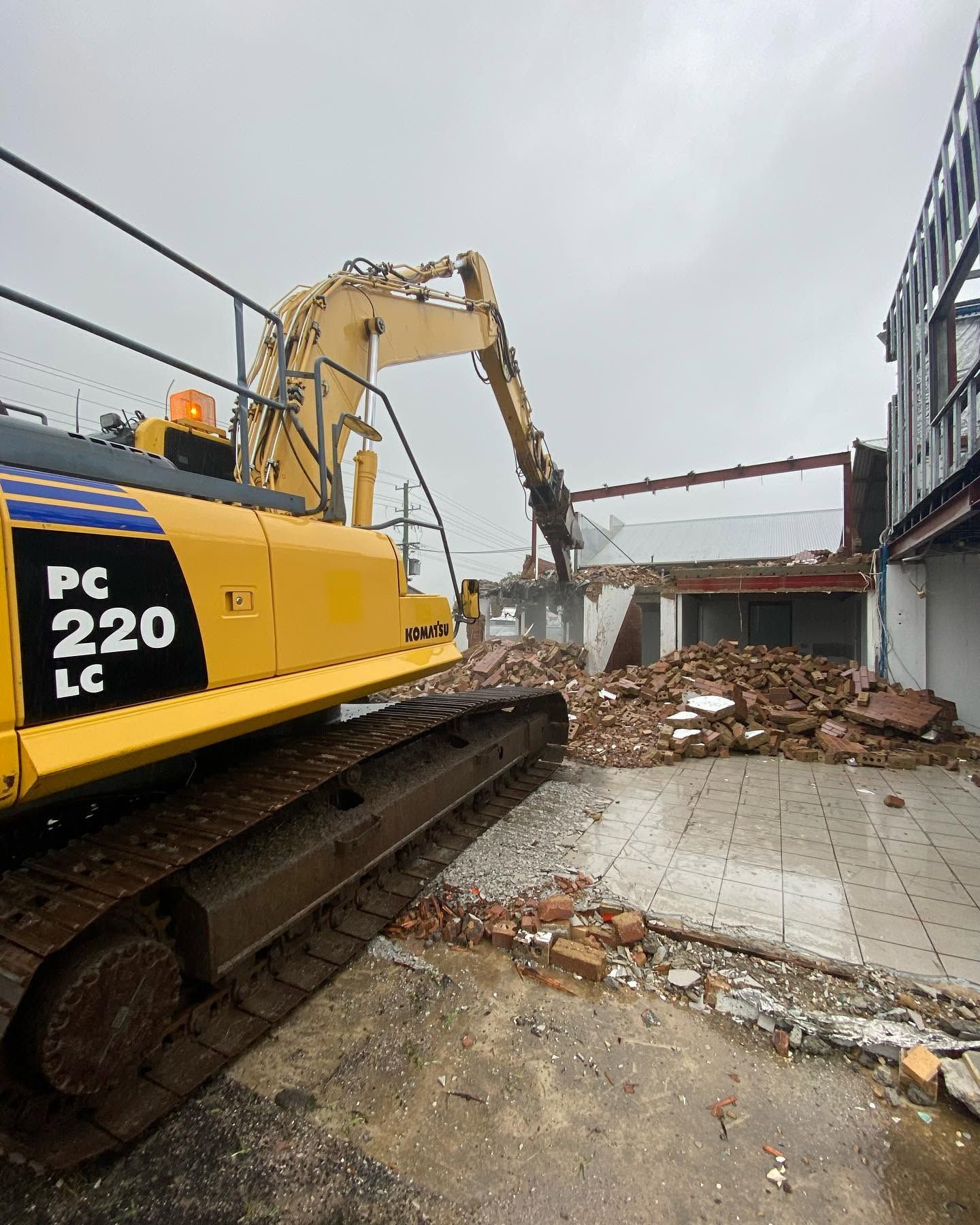
- Renovations, demolition, or any project where asbestos removal is part of a bigger site plan
A licensed team can assess the safest approach, manage the job efficiently, and reduce the chance of disruption to the rest of the project timeline. This is particularly relevant for asbestos removal in Lismore where older housing stock can still contain asbestos products.
After Removal: Clearance, Disposal & Peace of Mind for Property Owners
Removal is not finished when the last sheet comes off. The final stage involves clean-up, decontamination, and confirmation that asbestos waste has been handled properly. This is the part that protects future occupants and anyone who works on the property later.
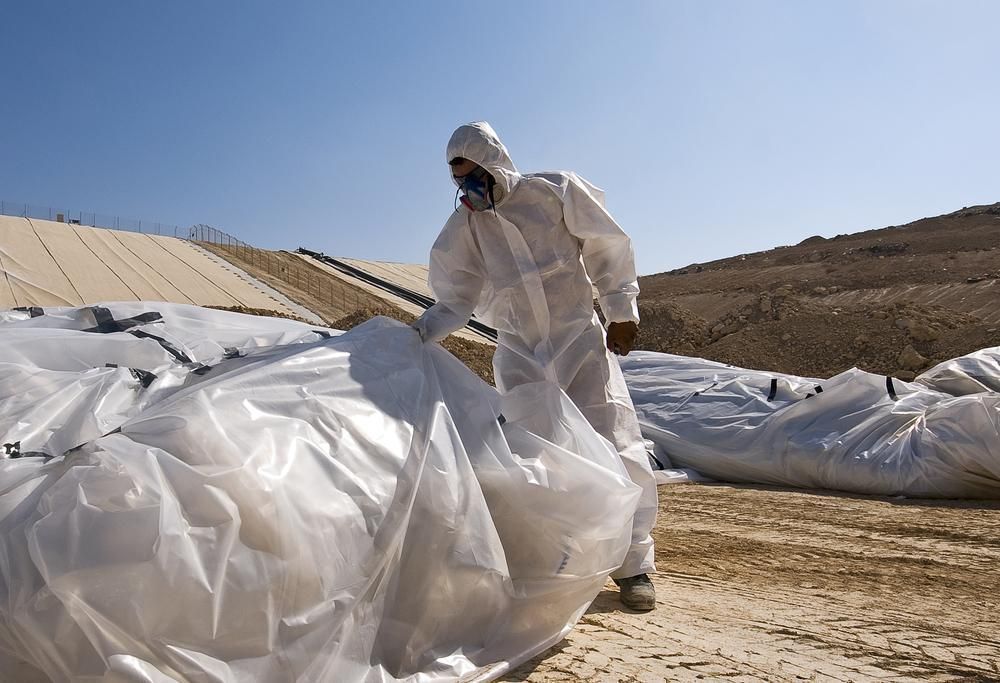
- Waste is double-wrapped or bagged, labelled, and transported to an approved disposal facility
- The work area is cleaned using asbestos-safe methods, not household vacuums or sweeping
- Clearance checks and documentation may be required, depending on the job and risk level
For property owners, this is where confidence comes from. You want to know the site is safe, compliant, and ready for the next stage of work, whether that is renovation, sale, or demolition.
If you are unsure what is non friable asbestos on your property, or you have uncovered bonded sheeting during renovations, it is worth getting professional advice before disturbing it further. At Ballina Demolitions, we provide compliant asbestos removal and demolition services, including asbestos removal Lismore locals trust, with safe handling, regulated disposal, and a clear process from assessment through to clean-up. Get in touch today to book an inspection or request a quote, visit https://www.ballinademolitions.com.au/.