Friable Asbestos Explained: Risks And Safety Precautions
Understanding what is friable asbestos is essential for property owners in coastal regions like Tweed Heads. While many people are aware that asbestos is dangerous, fewer understand that not all asbestos materials carry the same level of risk. Friable asbestos is considered far more hazardous than bonded forms because of how easily it can release harmful fibres into the air. If your property was built before 1990, recognising the risks and knowing when to arrange professional asbestos removal in Tweed Heads is critical for protecting your health.
Table of Contents:
- What Is Friable Asbestos?
- Why Friable Asbestos Is More Dangerous
- Health Risks Linked to Exposure
- How to Identify Potential Friable Asbestos
- Legal Requirements in NSW
- The Removal Process Explained
- Why DIY Removal Is Dangerous
- When to Arrange Professional Assessment
- Environmental Responsibility and Safe Disposal
- Protecting Your Property and Peace of Mind
What Is Friable Asbestos?
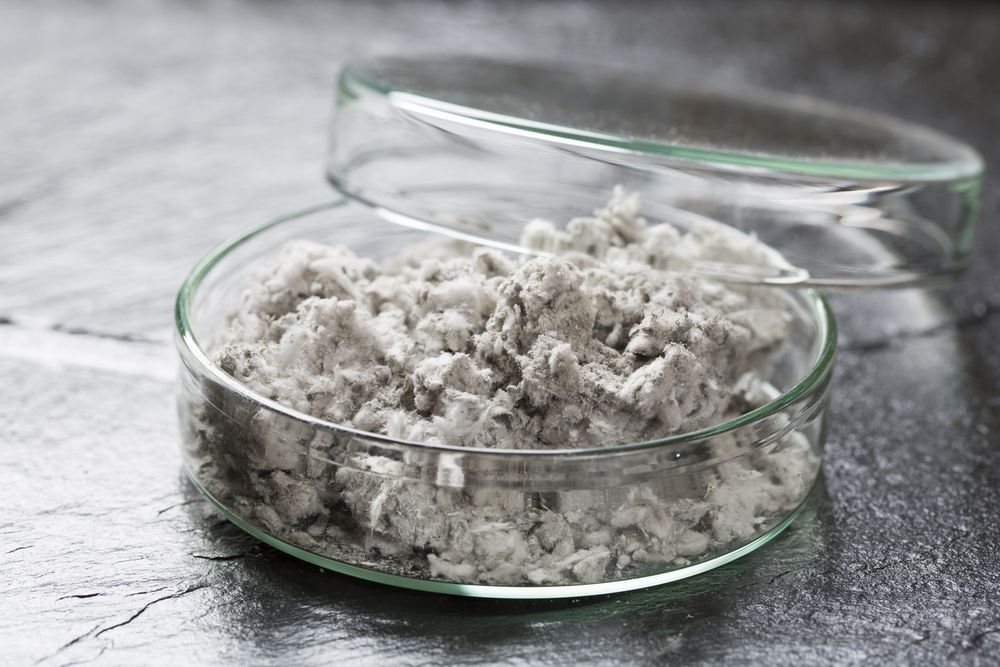
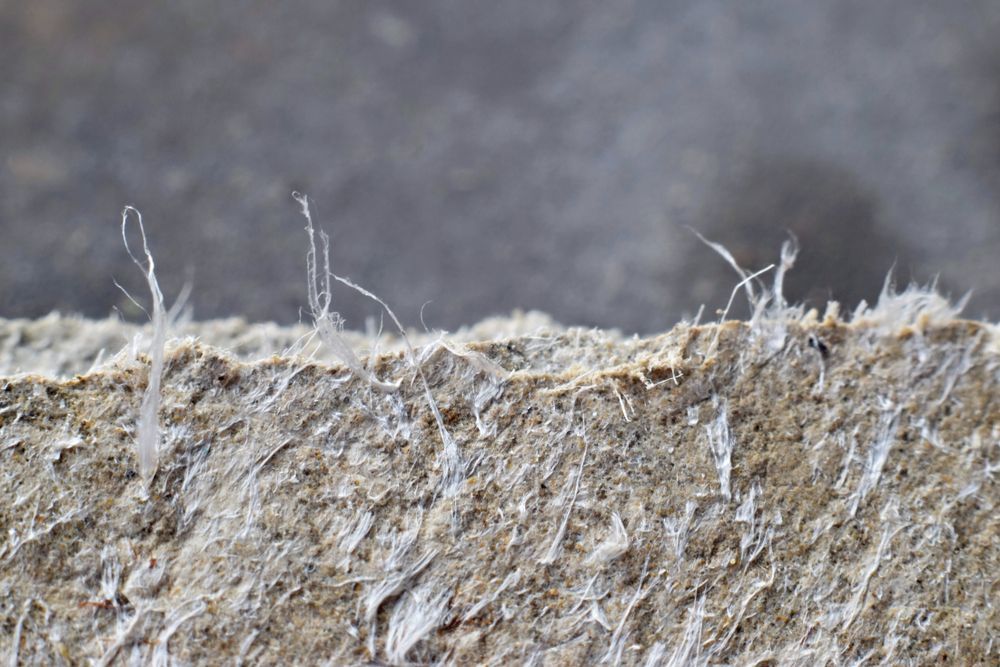
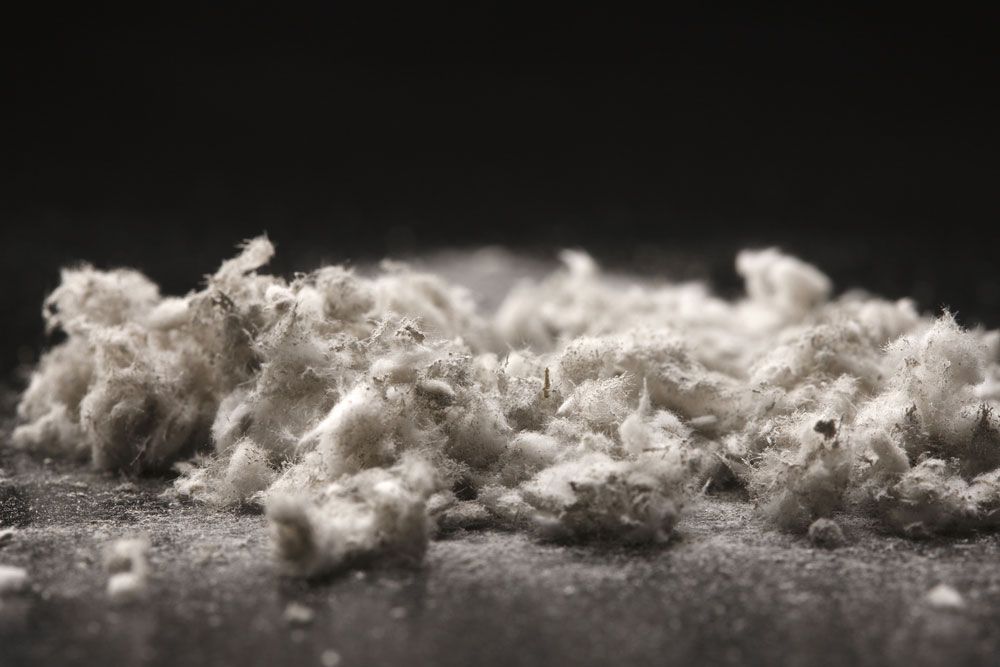
Friable asbestos refers to asbestos-containing material that can be easily crumbled, pulverised or reduced to powder by hand pressure when dry. This softness makes it significantly more dangerous than non-friable, or bonded, asbestos. When disturbed, friable asbestos releases microscopic fibres that can remain airborne for extended periods.
These fibres are invisible to the naked eye. Once inhaled, they can lodge deep in the lungs and remain there for decades. Over time, this exposure can lead to serious illnesses including asbestosis, lung cancer and mesothelioma.
Friable asbestos was commonly used in:
- Pipe insulation
- Spray-on fireproofing
- Soundproofing materials
- Loose-fill insulation
- Some older ceiling and wall linings
Because of its high risk, friable asbestos removal requires stricter licensing, containment procedures and disposal methods than bonded asbestos materials.
Why Friable Asbestos Is More Dangerous
The primary danger lies in how easily fibres become airborne. Bonded asbestos products, such as cement sheeting, contain fibres that are tightly bound within solid material. When intact and undisturbed, bonded asbestos poses lower risk. Friable materials, however, break apart easily.
Common situations that can release friable fibres include:
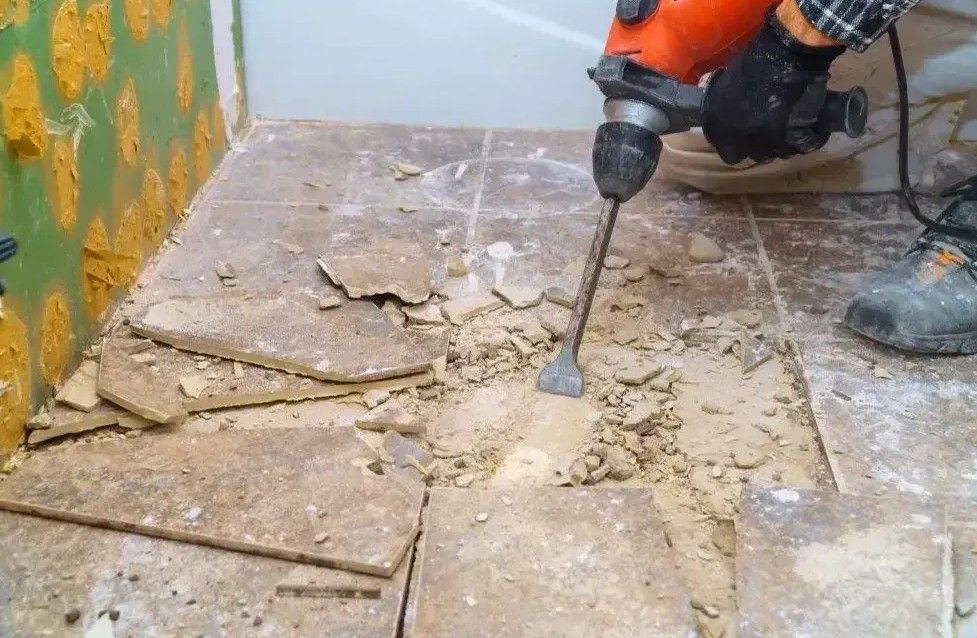
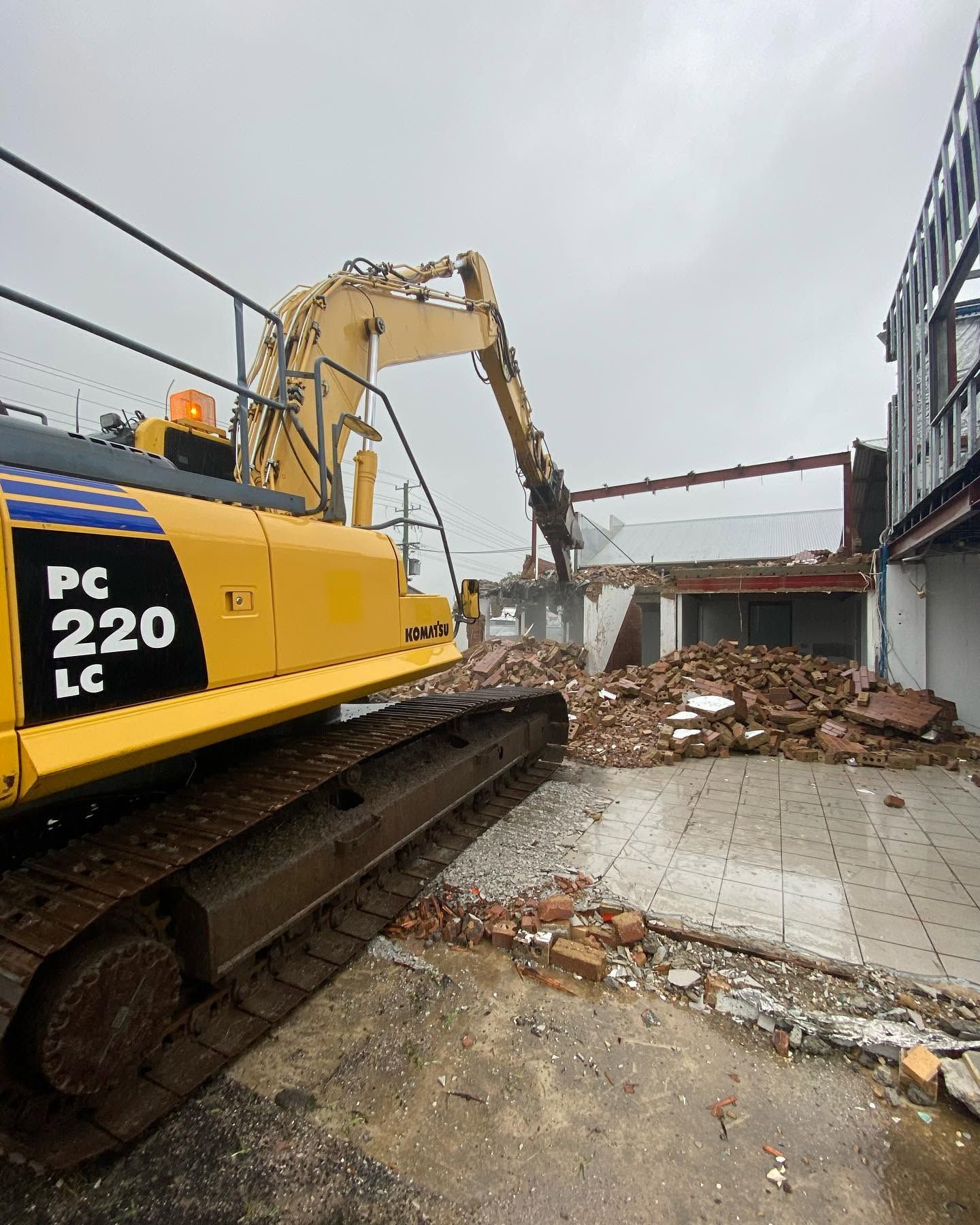
- Renovation or demolition work
- Water damage causing material deterioration
- Drilling or sanding ceilings and walls
- Age-related crumbling of insulation
Even minor disturbance can contaminate a wide area. Fibres can travel through ventilation systems, settle on surfaces and become re-suspended through everyday movement. This is why professional handling is not optional when friable asbestos is suspected.
Health Risks Linked to Exposure
Exposure does not cause immediate symptoms, which is one of the most dangerous aspects of asbestos. Illnesses often develop decades after inhalation. The main health conditions associated with exposure include:
- Asbestosis, a chronic lung disease causing scarring and breathing difficulty
- Lung cancer
- Mesothelioma, an aggressive cancer affecting the lining of the lungs or abdomen
There is no safe level of exposure. Even short-term contact can increase long-term health risks. For property owners in Tweed Heads, understanding this risk reinforces the importance of licensed asbestos removal Tweed Heads services when friable material is identified.
How to Identify Potential Friable Asbestos
It is not possible to confirm asbestos by sight alone. However, certain indicators increase the likelihood of its presence:
- The property was constructed before 1990
- Insulation appears fluffy, crumbly or powdery
- Ceiling or wall material deteriorates easily when touched
- Old pipe lagging in roof cavities or plant rooms
If you suspect friable asbestos, do not attempt to test or remove it yourself. Sampling should only be performed by licensed professionals using appropriate containment procedures. Disturbing suspected material without controls can worsen the risk.
Legal Requirements in NSW
In New South Wales, friable asbestos removal is strictly regulated. Only contractors holding a Class A asbestos removal licence are permitted to remove friable asbestos. These requirements include:
- Comprehensive site assessment
- Air monitoring before, during and after removal
- Sealed containment zones with negative air pressure
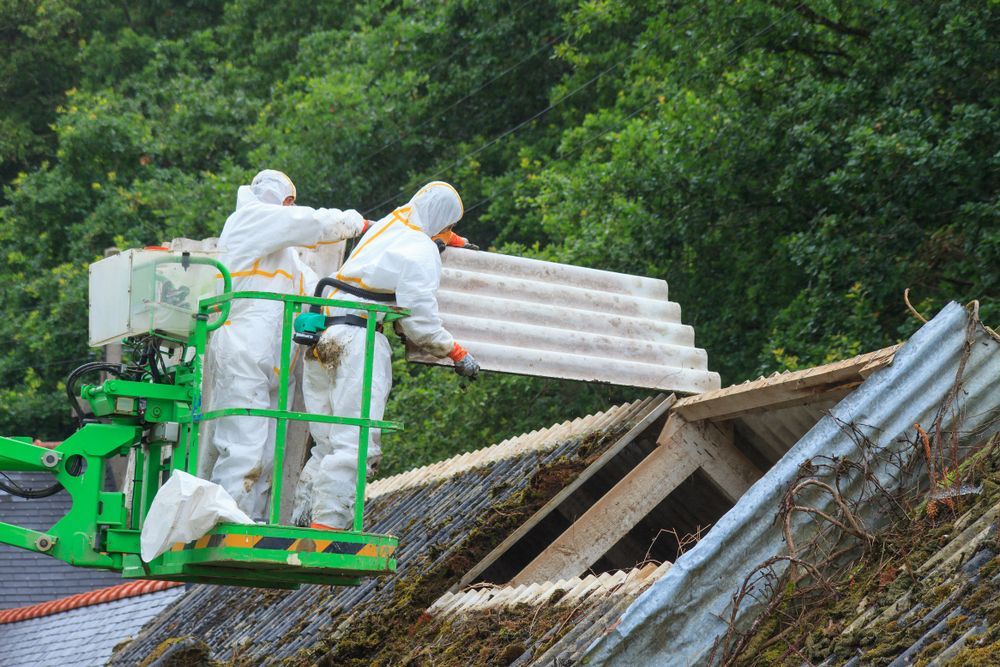
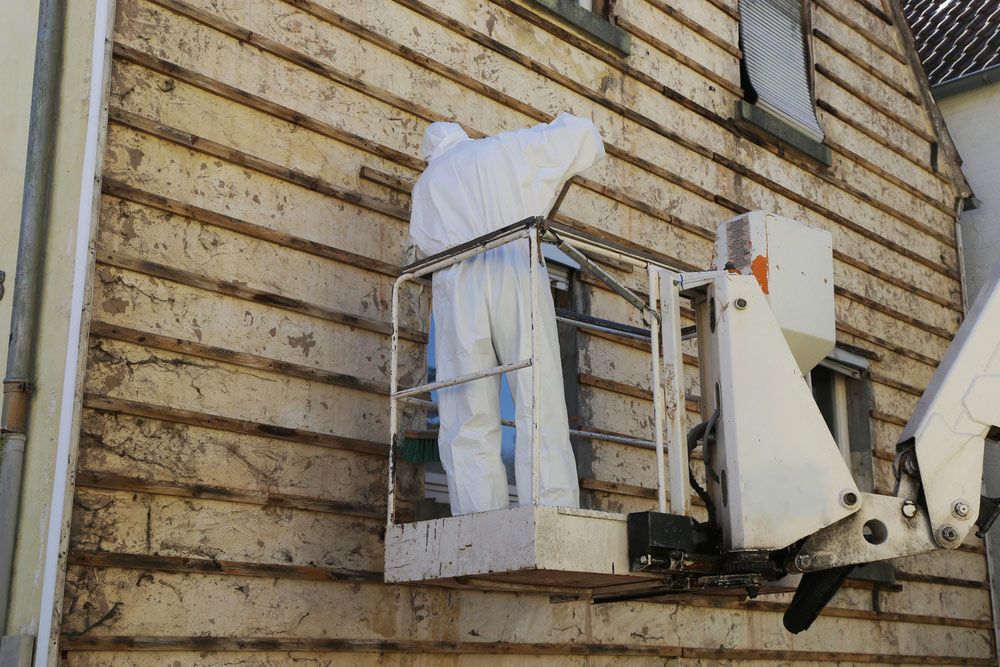
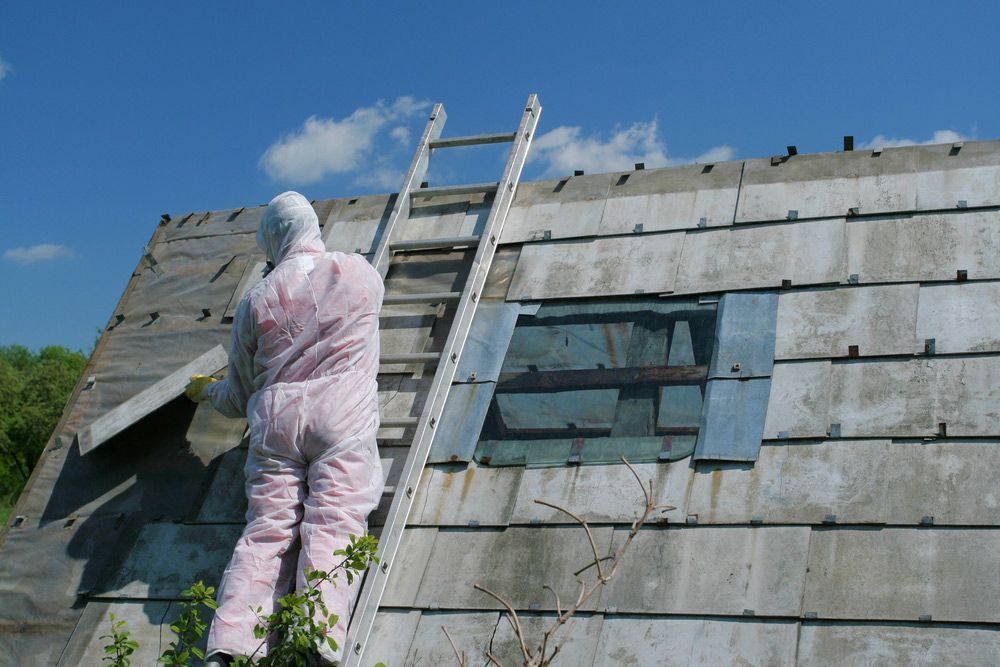
- Personal protective equipment including respirators and disposable suits
- Approved transport and disposal at licensed facilities
SafeWork NSW regulations exist to protect workers, occupants and the wider community. Failing to comply can result in significant penalties and serious health consequences.
The Removal Process Explained
Professional friable asbestos removal follows a highly controlled procedure designed to eliminate fibre release. The process typically includes:
- Inspection and risk assessment to confirm material type and condition.
- Development of an asbestos removal control plan outlining safety measures.
- Establishment of containment barriers and warning signage.
- Use of specialised tools and wet removal methods to reduce airborne fibres.
- Careful sealing, labelling and transport of waste to approved disposal sites.
- Final clearance inspection and air monitoring to confirm safety.
This systematic approach ensures that asbestos fibres are managed safely from start to finish.
Why DIY Removal Is Dangerous
Attempting to remove friable asbestos without proper licensing and equipment is extremely hazardous. Household masks and standard protective clothing do not provide adequate filtration. Improvised containment methods often fail to prevent fibre spread.
DIY removal can lead to:
- Widespread contamination of living spaces
- Ongoing exposure to occupants
- Increased clean-up costs
- Legal penalties for non-compliance
What may appear to be a cost-saving measure can ultimately create far greater financial and health consequences.
When to Arrange Professional Assessment
Consider arranging professional assessment if:
- You are planning renovations or demolition
- You discover damaged insulation or ceiling material
- You are purchasing an older property
- Water damage has affected roof cavities or walls
Early identification allows for safe planning. Licensed professionals can conduct sampling and testing with minimal disturbance, providing clarity before work begins.
In addition, commercial property owners and landlords carry legal responsibilities to ensure that workplaces and rental properties are safe. Failing to properly identify and manage asbestos risks can expose tenants, contractors and visitors to avoidable hazards. Arranging a licensed inspection before upgrades, maintenance or structural changes protects not only the people on site but also your legal and financial position.
Environmental Responsibility and Safe Disposal
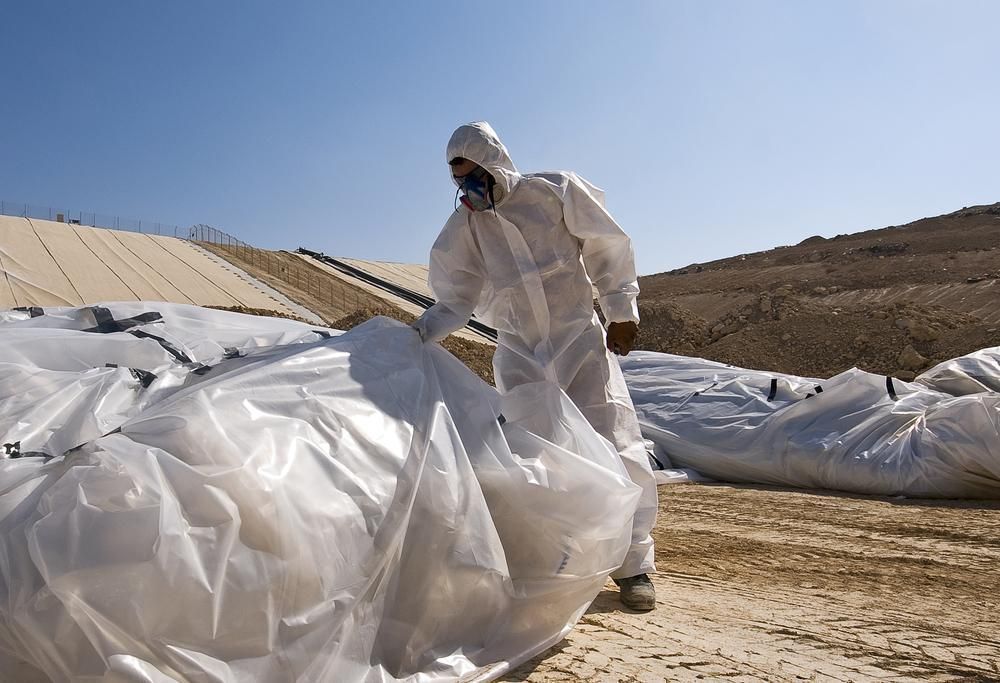
Proper disposal is just as important as removal. Friable asbestos waste must be double-wrapped, clearly labelled and transported to approved waste facilities. Illegal dumping not only breaches environmental law but also exposes the community to unnecessary risk.
Licensed contractors follow strict EPA guidelines to ensure that asbestos materials are contained and disposed of in a way that protects both people and the environment. Detailed documentation and waste tracking also provide assurance that materials have been handled correctly from removal through to final disposal.
Protecting Your Property and Peace of Mind
Friable asbestos is not a problem that can be ignored or handled casually. Understanding what is friable asbestos and recognising its dangers empowers property owners to take the right steps early. With professional assessment, strict compliance and controlled removal, the risks can be managed safely and effectively.
If you suspect friable asbestos on your property or are planning works that may disturb older materials,
contact Ballina Demolitions to arrange licensed assessment and safe
asbestos removal in Tweed Heads services.