Demolition Permits in Lismore: What Ballina Shire & Lismore Council Require
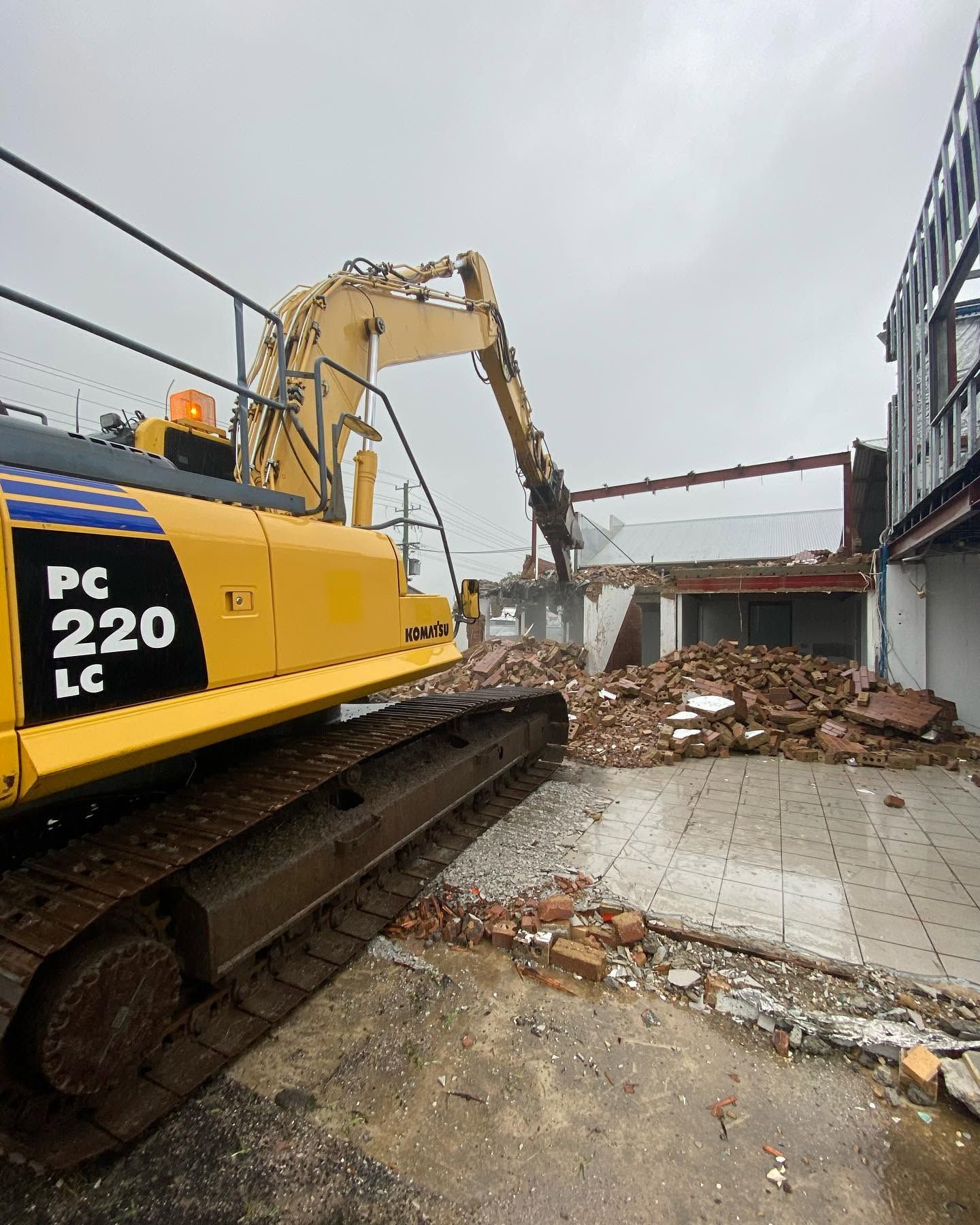
Demolishing a house, shed or damaged structure is not simply a matter of bringing machinery onto the site and starting work. In most cases, there are approval pathways, supporting documents and compliance steps that must be completed before demolition can begin. For property owners planning demolition in Lismore or Ballina, understanding those requirements early can prevent delays, reduce risk and make the entire process more manageable.
This is particularly important across the Northern Rivers, where local councils assess demolition work carefully to ensure it is carried out safely, responsibly and in line with planning controls. Whether the goal is a knockdown rebuild, redevelopment or removal of a damaged structure, approval requirements need to be addressed before any physical work starts.
Why Demolition Approval Matters
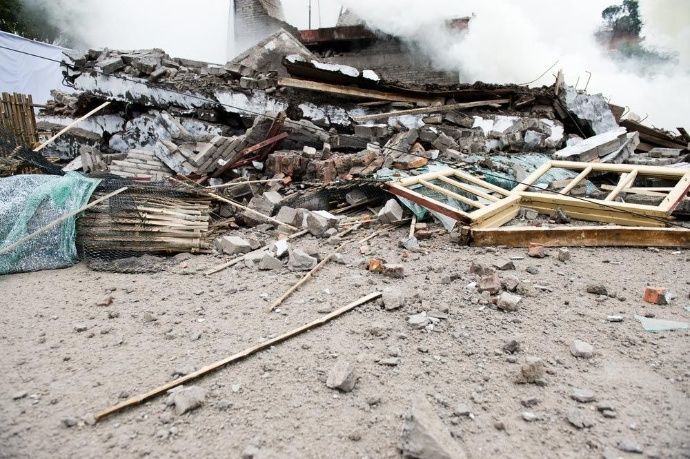
Demolition approval exists to protect people, neighbouring properties and the wider environment. Removing a structure can affect more than the building itself. There may be risks linked to asbestos, unstable materials, underground services, stormwater systems, traffic access or waste disposal.
Councils want to know that these issues have been identified and that the demolition will be managed in a controlled way. This is why permit requirements often involve more than a simple form. Property owners may need to provide plans, reports and evidence that key risks have been addressed.
For anyone arranging demolition in Ballina or Lismore, it helps to think of the permit process as part of site preparation rather than a separate hurdle.
Which Approval Pathway Applies
The approval pathway depends on the type of building being demolished, the location of the property and what is planned next. In some cases, demolition is approved through a development application submitted to council. In others, it may be possible to proceed under a complying development certificate if the proposal meets the relevant planning criteria.
If a homeowner is demolishing an existing dwelling as part of a knockdown rebuild, demolition may be included within a broader approval process for the new home. In other situations, demolition may be assessed on its own before any future construction is approved.
This is one reason local knowledge matters. The actual approval pathway will depend on the details of the site and the work proposed.
What Lismore City Council Typically Requires
For properties within the Lismore local government area, demolition proposals usually need to demonstrate that the structure can be removed safely and that surrounding impacts will be properly managed. This often includes site plans, details of the existing building and information about nearby properties or public areas that could be affected.
Council may also require confirmation that services such as water, electricity, gas and telecommunications will be disconnected before demolition starts. If the structure is older, there may also be a strong likelihood that hazardous materials need to be assessed before any approval or site work progresses.
When preparing for demolition in Lismore, it is important not to assume that a contractor can simply begin work once booked. The approval process needs to be handled first, and the scope of documentation can vary depending on the site.
What Ballina Shire Council May Also Require
Property owners in surrounding areas often compare requirements between councils, particularly when projects sit within the broader Northern Rivers region. For this reason, understanding the expectations around demolition in Ballina can also be useful, especially for owners, builders or developers working across more than one area.
Ballina Shire Council generally applies similar principles around safety, site control and environmental responsibility, but local processes, submission requirements and planning overlays may differ. A site in Ballina may be affected by different constraints than a site in Lismore, even where the demolition itself appears similar.
That is why approval preparation should always be based on the actual council area and property details, rather than assumptions drawn from another project.
Documents Commonly Needed Before Demolition
While the exact list will vary, there are several documents that are commonly required before demolition is approved. These usually include a site plan showing boundaries, access points and the location of structures to be removed. A demolition methodology may also be required to explain how the work will be carried out and how safety risks will be managed.
Councils or certifiers may also request details about waste handling, service disconnections and, where relevant, hazardous material assessments. For older homes, asbestos-related documentation is often one of the most important parts of the process.
For homeowners unfamiliar with planning requirements, this is often where the process becomes confusing. A contractor with experience in demolition in Ballina and Lismore can usually help identify what needs to be prepared before the application or certificate process moves ahead.
Asbestos Assessment Is Often Essential
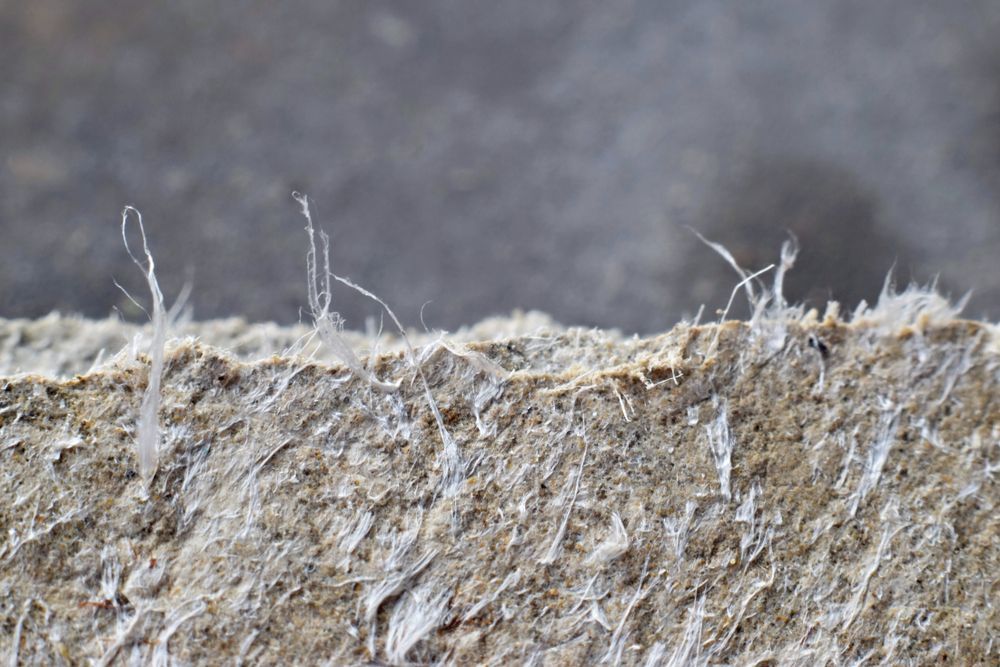
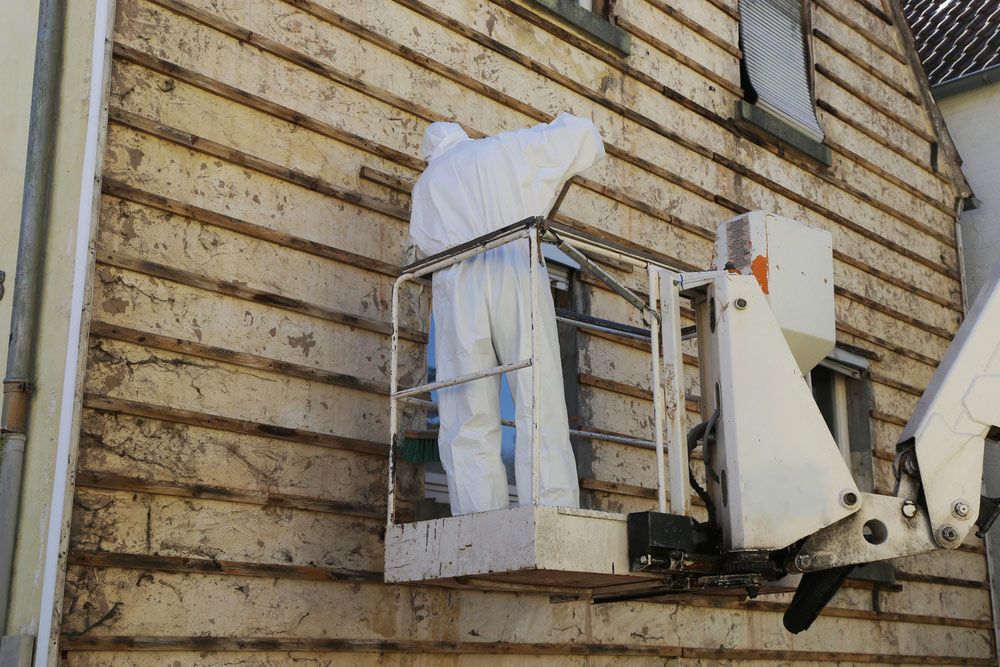
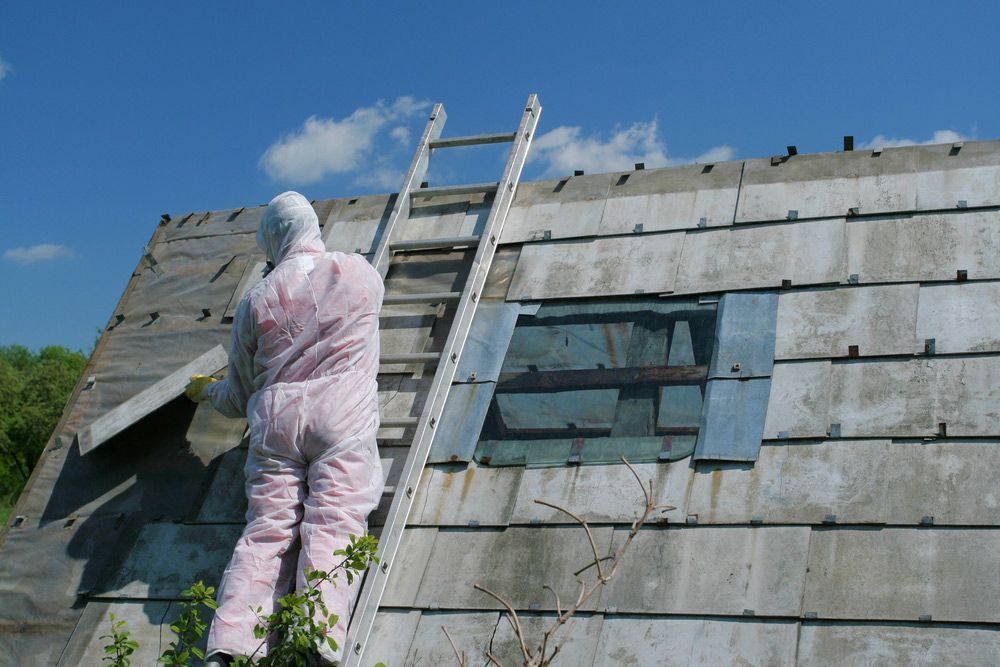
Any discussion about demolition permits in older homes needs to include asbestos. Many buildings constructed before 1990 contain asbestos in some form, whether in roofing, eaves, wall sheeting, bathrooms, fencing or flooring underlays.
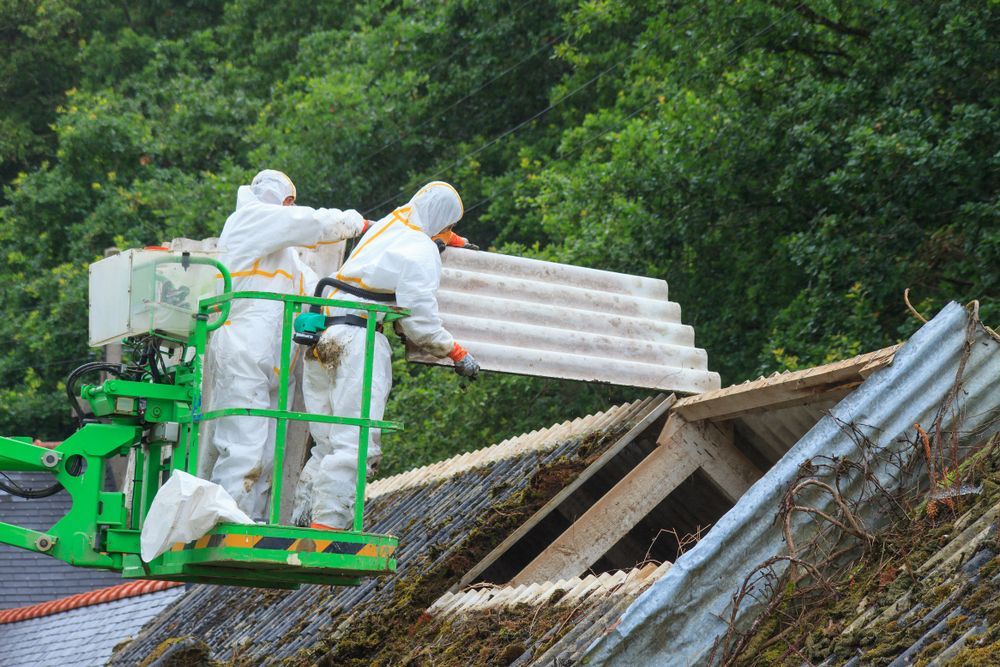
Because asbestos cannot be safely managed through guesswork, professional identification is essential before demolition begins. If asbestos is found, it must be removed in accordance with the relevant safety and licensing requirements before the broader demolition proceeds.
Across the region, asbestos compliance is one of the most significant issues councils and contractors need to address before work can lawfully and safely begin.
Waste Management and Environmental Compliance
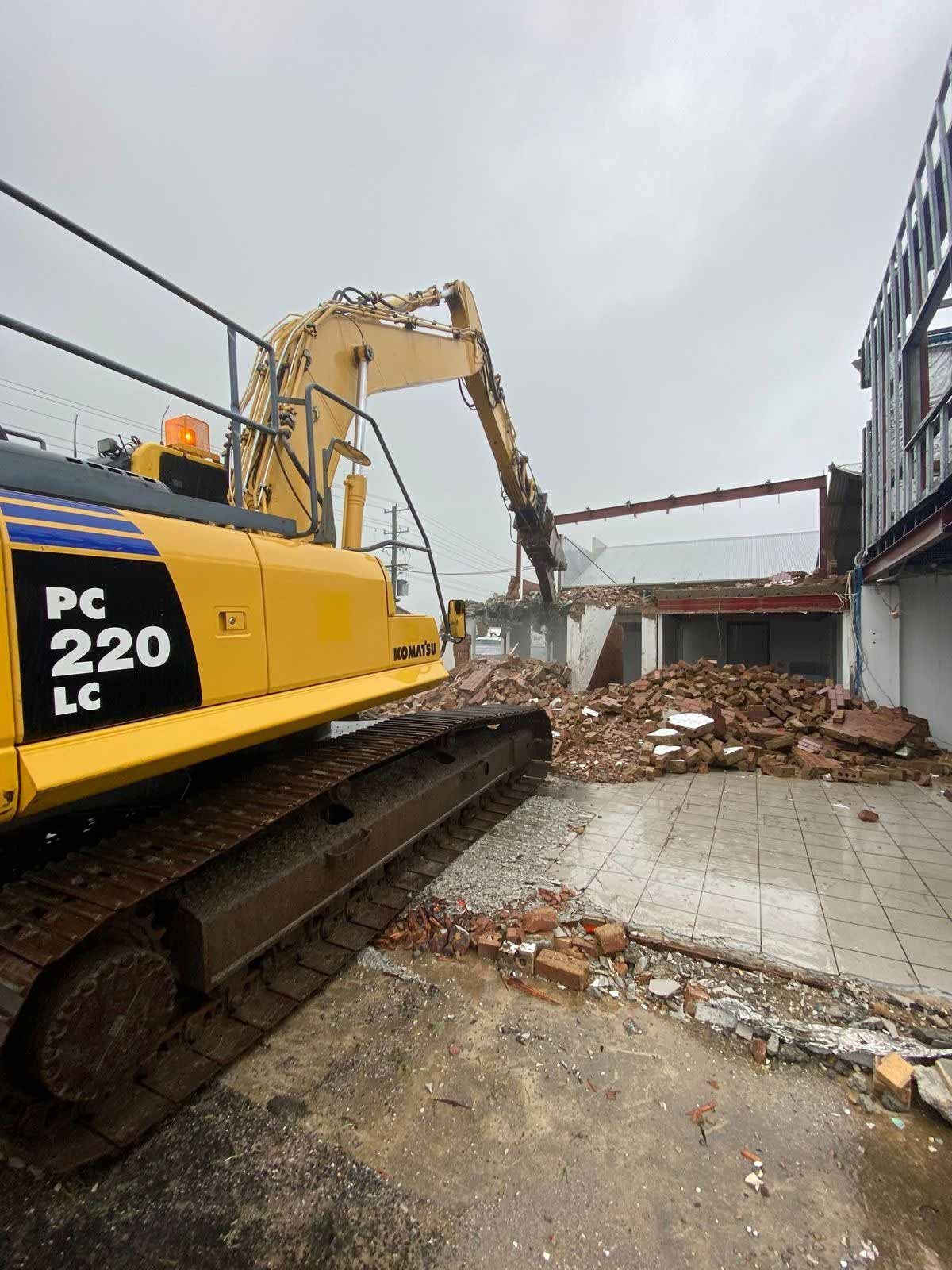
Demolition creates substantial waste, and councils want to know how that material will be handled. Timber, metal, bricks, concrete and hazardous products all need to be sorted, removed and disposed of appropriately. In many cases, a waste management plan forms part of the required documentation.
This planning is not only about compliance. It also affects site efficiency, recycling opportunities and the cost of the project overall. A well-organised demolition plan will account for material separation, lawful disposal and safe site clearance.
For anyone arranging demolition in Lismore or Ballina, waste management should be treated as a core part of the planning phase rather than something left until machinery arrives.
Safety Controls Before Work Begins
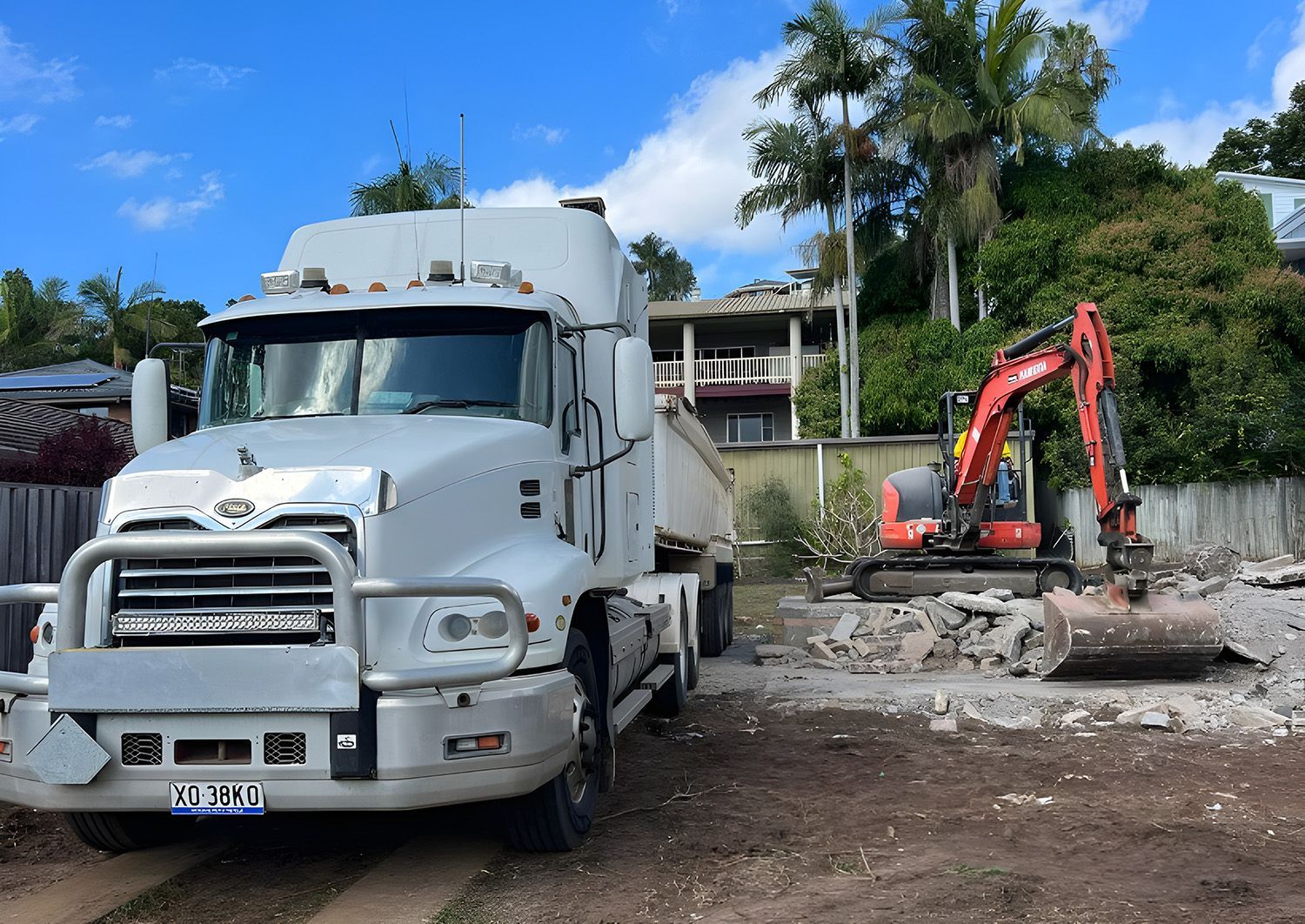
Approval requirements also reflect the practical risks of demolition work. Once a structure starts coming down, exclusion zones, fencing, dust suppression and controlled access become critical. Nearby homes, roads and footpaths may all need to be protected depending on the size and location of the job.
Traffic management can also become relevant if trucks, machinery or waste removal affect public access. These requirements are often more significant than property owners initially expect, particularly on tighter residential sites.
This is another reason specialist contractors matter. A team experienced in local demolition will understand how to plan for these controls before the site is active, rather than reacting to issues once work is underway.
Why Local Experience Makes the Process Easier
Many homeowners begin the process with one simple question: what approval do I need before demolition can start? The answer is rarely one line long. It depends on the site, the structure, the council area, the age of the building and what is planned next.
That is why local demolition experience has real value. A contractor familiar with the requirements around demolition in Lismore and Ballina can help property owners understand the likely approval pathway, the documents that may be needed and the compliance issues that should be addressed early.
This does not replace formal advice from council or a certifier, but it does make the process easier to navigate.
Get the Process Right Before Demolition Starts
Demolition work becomes far more straightforward when approvals and compliance steps are handled properly from the outset. For property owners planning demolition in Ballina or Lismore, that means understanding council expectations, preparing the right documentation and addressing risks such as asbestos, waste management and service disconnections before the site is touched.
Ballina Demolitions works throughout the Northern Rivers and understands the practical approval issues that can affect both demolition in Lismore and Ballina. If you are preparing for a knockdown rebuild, redevelopment or removal of a damaged structure, contact Ballina Demolitions to discuss the site, the likely permit requirements and the next steps before demolition begins.