How Demolition Projects Can Stay Environmentally Responsible
Demolition is often associated with noise, dust and heavy machinery, but modern projects are increasingly focused on reducing environmental impact. With careful planning and responsible processes, demolition work can support future development while protecting surrounding communities and natural resources. For property owners planning a demolition in Tweed Heads, understanding sustainable demolition practices is essential for making informed decisions.
Environmental responsibility in demolition begins long before machinery arrives on site. It involves assessment, material identification, waste planning and compliance with environmental regulations. When handled professionally, demolition can contribute to recycling, resource recovery and safer site preparation for future construction.
Table of Contents:
- Planning for Responsible Demolition
- Material Sorting and Recycling
- Safe Handling of Hazardous Materials
- Reducing Dust and Air Pollution
- Managing Noise and Community Impact
- Efficient Equipment and Fuel Management
- Concrete Crushing and Resource Recovery
- Compliance with Environmental Regulations
- Selective Demolition Versus Total Demolition
- Preparing Sites for Sustainable Construction
- Community Responsibility and Transparency
- A Professional Approach to Sustainable Demolition
Planning for Responsible Demolition
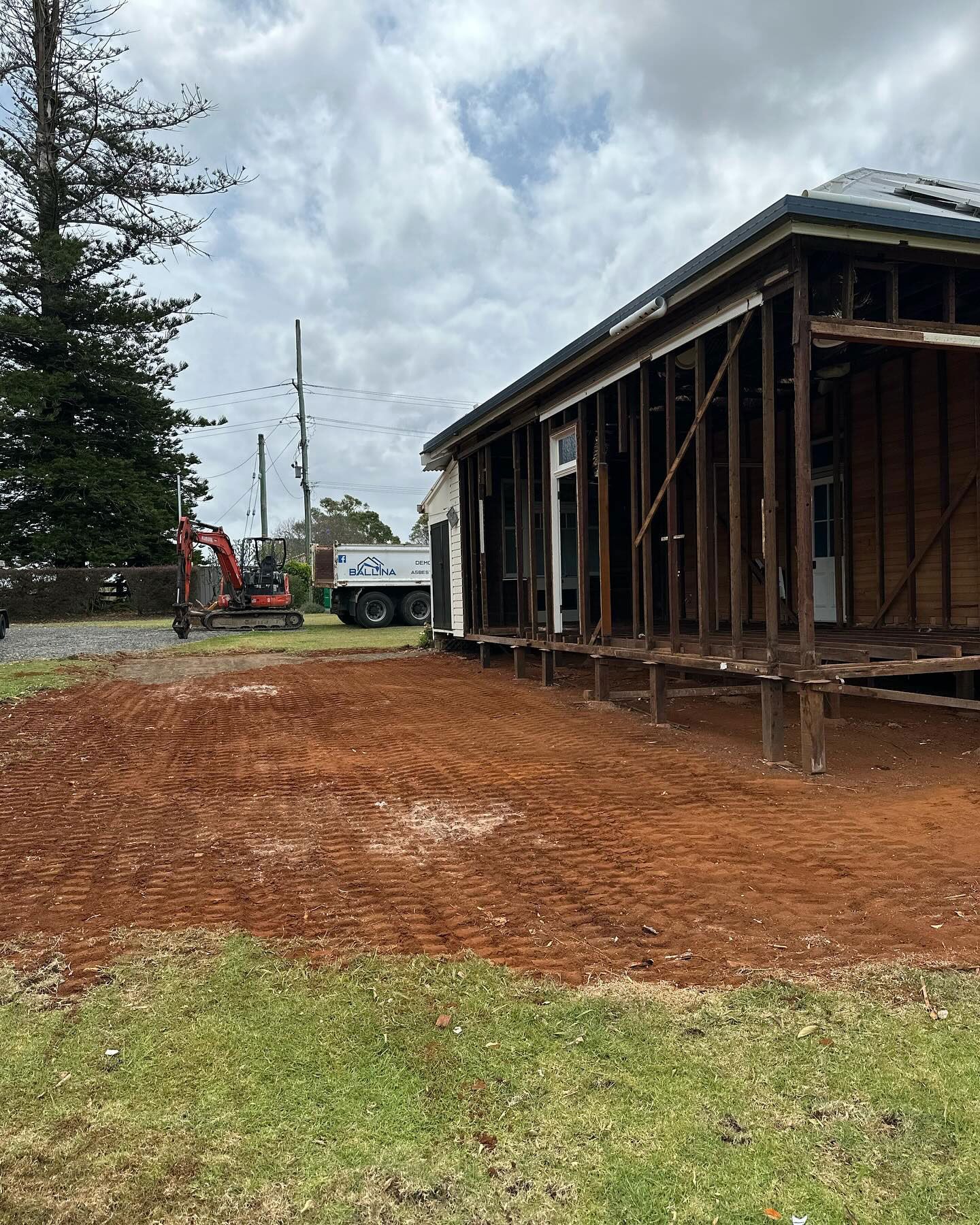
Sustainable demolition practices begin with detailed site assessments. Before any structure is removed, professionals evaluate the building materials, potential hazards and opportunities for recycling. This planning phase helps minimise unnecessary waste and supports responsible disposal.
A structured demolition plan typically includes:
- Identification of recyclable materials such as concrete, steel and timber
- Hazardous material assessment including asbestos or contaminated soil
- Waste management strategies
- Dust and noise control measures
- Environmental compliance documentation
Early planning reduces the risk of environmental harm and allows materials to be separated efficiently during demolition.
Material Sorting and Recycling
One of the most important aspects of environmentally responsible demolition is material recovery. Many building components can be reused or recycled rather than sent to landfill. Concrete can be crushed and repurposed as road base, steel can be recycled, and certain timbers may be reclaimed for other applications.
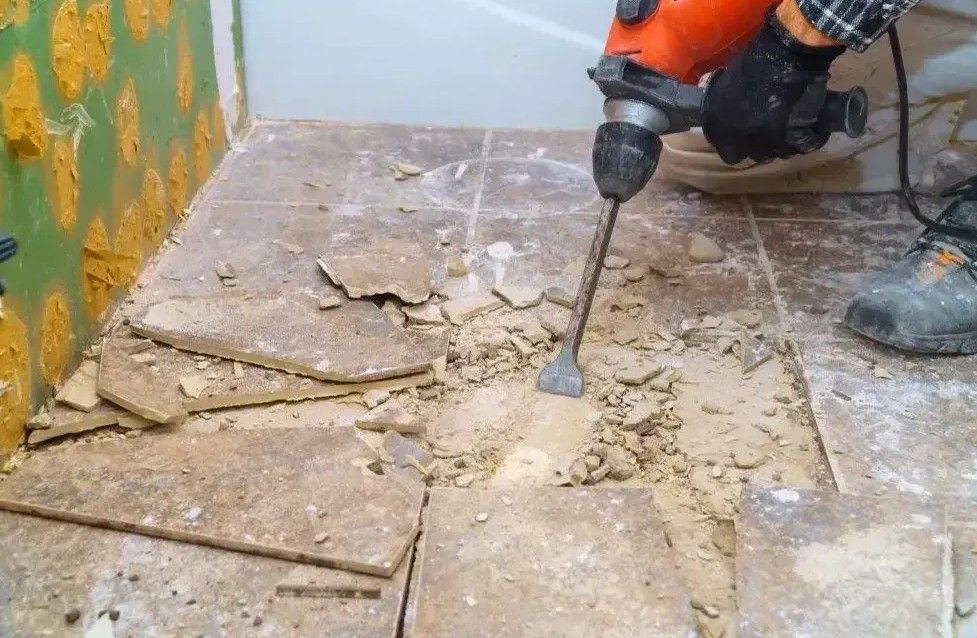
Effective material sorting requires coordination and experienced operators who understand how to dismantle structures carefully. Rather than simply knocking down a building, selective demolition techniques allow materials to be separated at the source.
Common recyclable materials include:
- Structural steel
- Concrete slabs and footings
- Bricks and masonry
- Untreated timber
- Certain roofing materials
By diverting reusable materials from landfill, demolition projects can significantly reduce environmental impact.
Safe Handling of Hazardous Materials
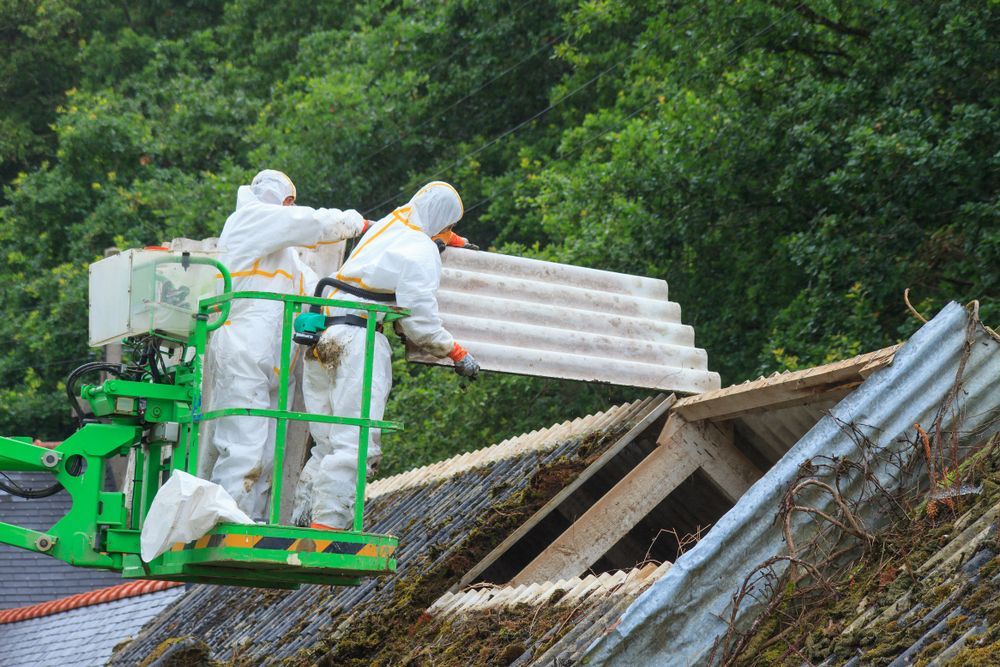
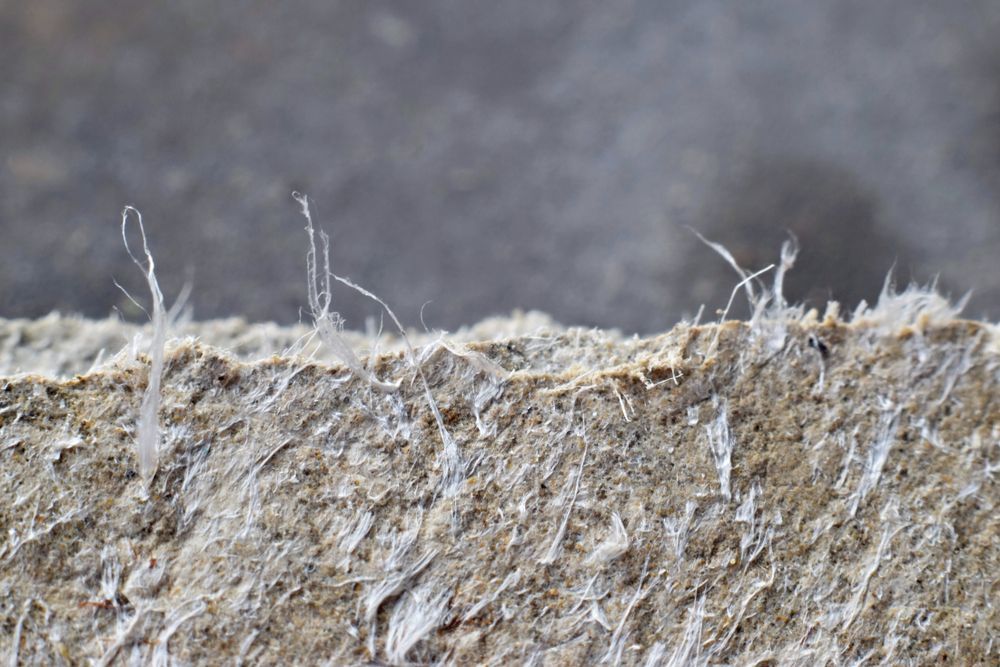
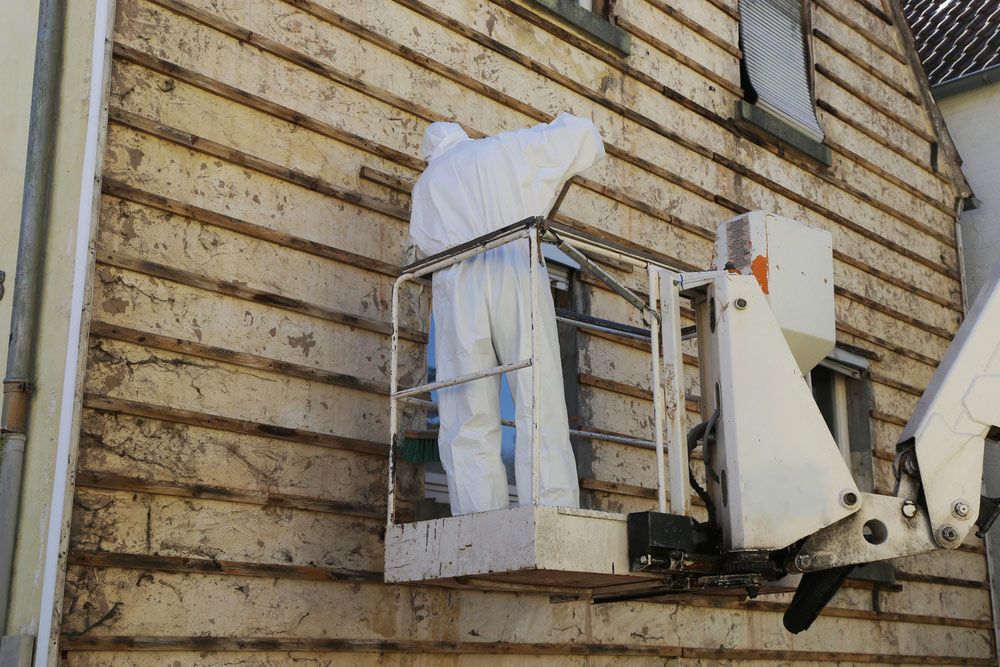
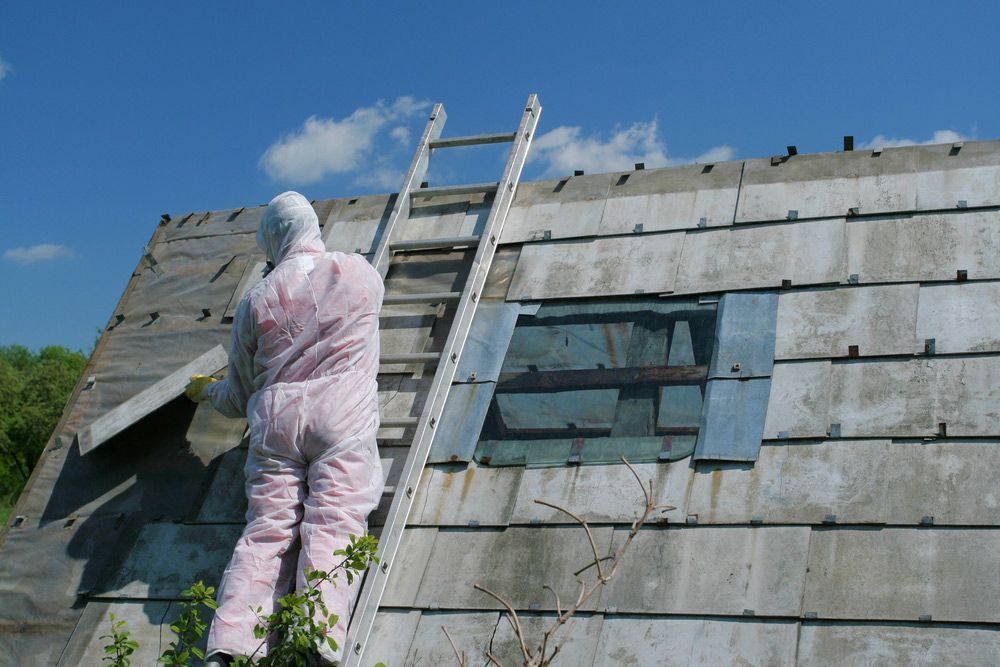
Older structures may contain hazardous materials that require specialised handling. Asbestos, lead-based paints and contaminated soils must be managed in accordance with strict regulations. Improper removal can create serious environmental and health risks.
Licensed contractors follow regulated procedures for containment, removal and disposal. This includes secure packaging, approved transport and disposal at licensed facilities. Environmental responsibility means not only reducing waste but also preventing contamination of air, soil and water.
Professional demolition in Tweed Heads ensures that hazardous materials are identified early and managed safely to protect both workers and the wider community.
Reducing Dust and Air Pollution
Dust control is a key environmental consideration during demolition. Airborne particles can travel beyond the work site, affecting neighbouring properties and natural ecosystems. Sustainable demolition practices incorporate dust suppression methods such as water sprays, controlled demolition sequencing and debris containment.
Additional measures may include:
- Regular monitoring of airborne particles
- Use of protective barriers
- Limiting demolition during high wind conditions
- Proper debris management and covering
These practices reduce the spread of fine particles and maintain safer air quality during and after the project.
Managing Noise and Community Impact
Environmental responsibility extends beyond waste management. Noise control plays an important role in minimising disruption to surrounding communities. Careful scheduling, equipment maintenance and clear communication help manage the broader impact of demolition works.
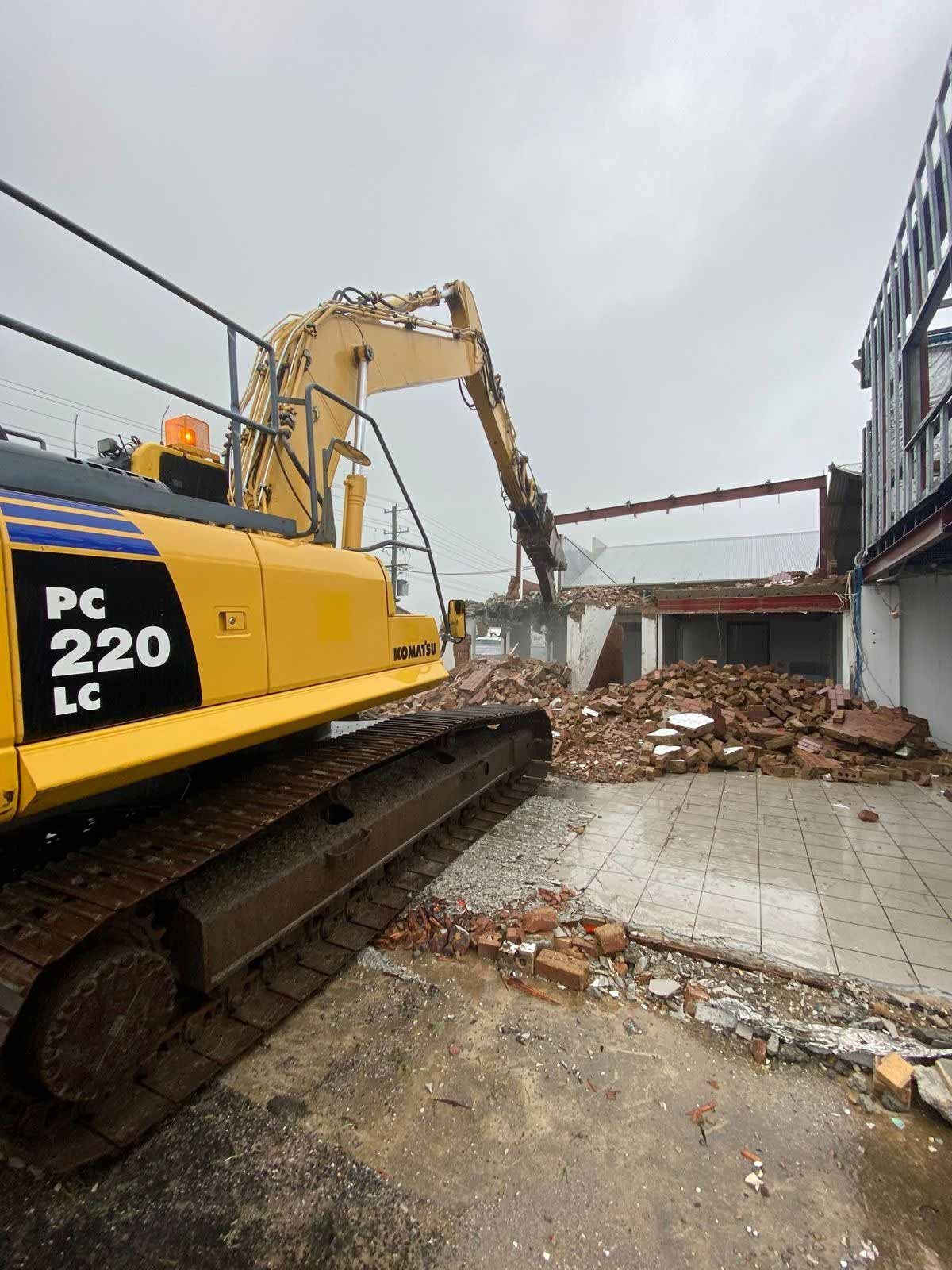
Modern machinery is designed to operate more efficiently with reduced emissions and lower noise levels compared to older equipment. By maintaining machinery properly and planning work stages thoughtfully, demolition contractors can reduce environmental disturbance.
Responsible Demolition Tweed Heads projects consider both physical and social environmental impacts.
Efficient Equipment and Fuel Management
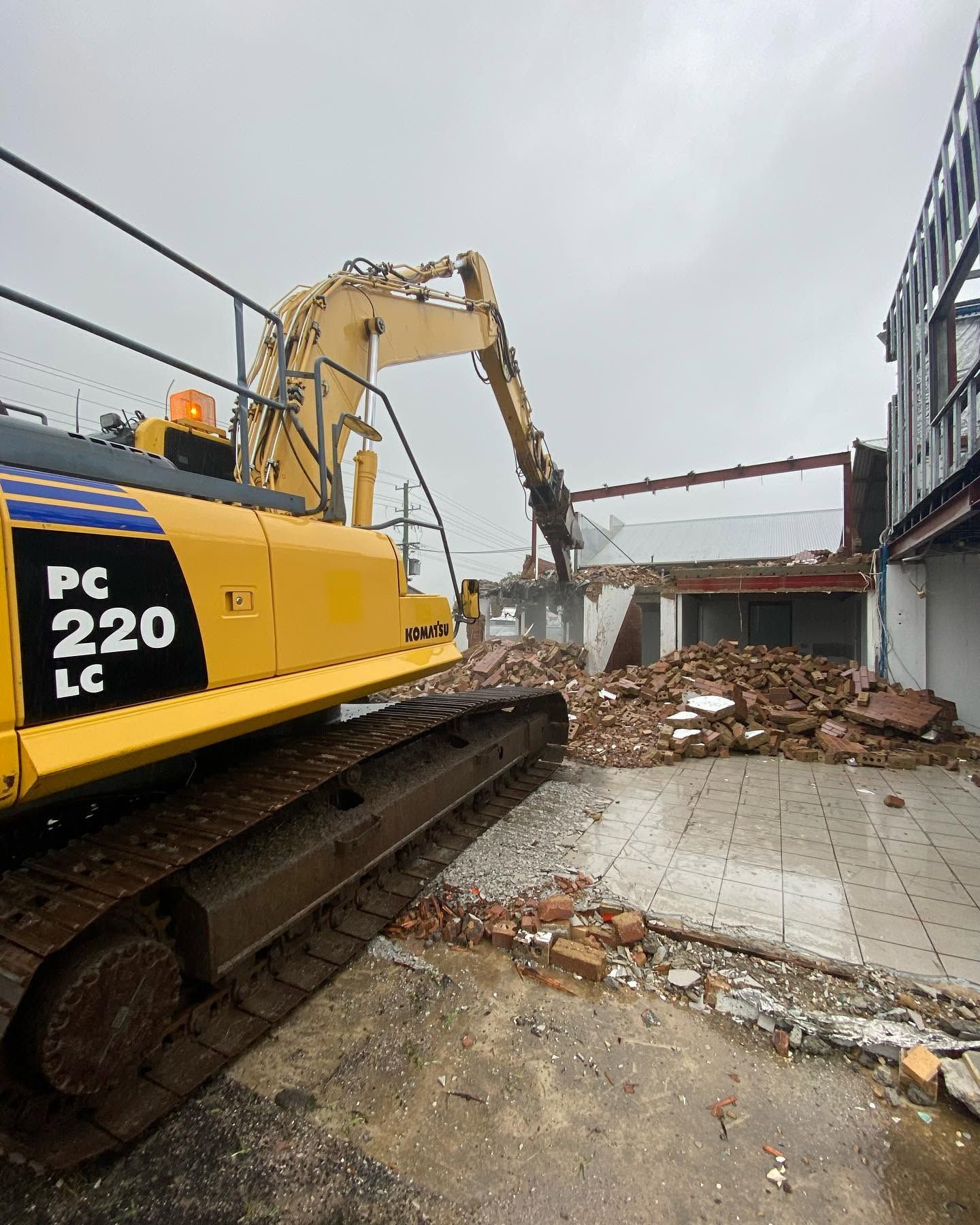
Heavy equipment is essential in demolition, but fuel consumption and emissions can contribute to environmental strain. Sustainable demolition practices prioritise efficient machinery use and proper maintenance to reduce unnecessary fuel consumption.
Strategies include:
- Using appropriately sized equipment for each task
- Minimising idle time
- Regular servicing to maintain engine efficiency
- Coordinating tasks to reduce repeated machinery movement
While machinery cannot be eliminated from demolition, careful management helps limit emissions and energy waste.
Concrete Crushing and Resource Recovery
Concrete is one of the most common demolition materials. Rather than transporting large volumes to landfill, crushed concrete can be reused as base material for roads, driveways and construction projects. This reduces landfill pressure and decreases the need for newly quarried materials.
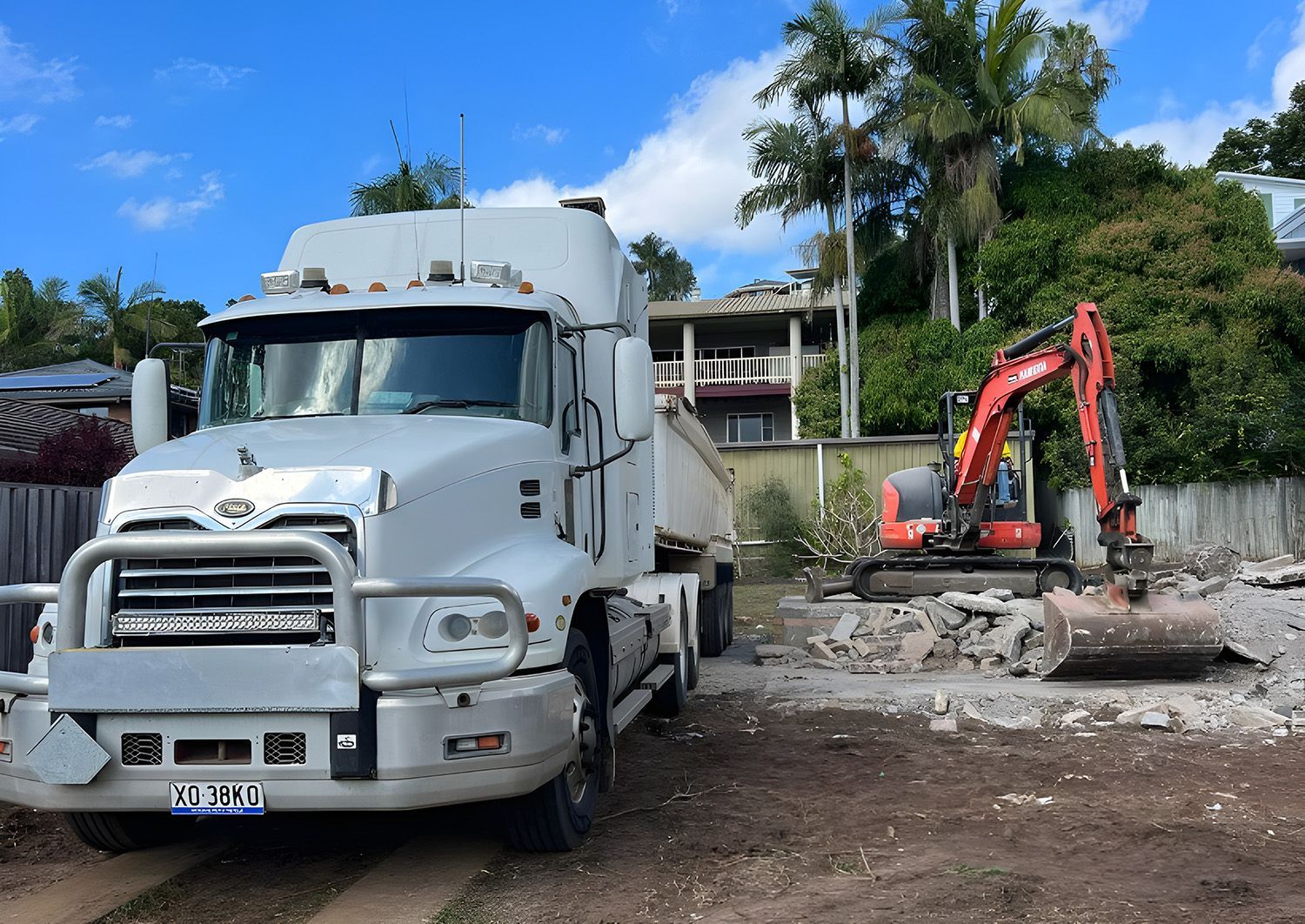
On-site crushing and recycling reduces transport requirements and associated fuel emissions. Reusing materials within the same region supports local construction sustainability.
Concrete recovery demonstrates how demolition and construction can work together to support circular resource use.
Compliance with Environmental Regulations
Environmental responsibility in demolition is supported by strict regulatory frameworks. Licensed contractors must comply with local council requirements, EPA standards and workplace safety legislation. Proper documentation ensures that waste is tracked and disposed of appropriately.
Working with experienced professionals ensures compliance with:
- Environmental protection guidelines
- SafeWork NSW regulations
- Hazardous waste transport requirements
- Local council development approvals
Compliance is not simply administrative. It forms the foundation of sustainable demolition practices by ensuring transparency and accountability throughout the project.
Selective Demolition Versus Total Demolition
Not all demolition involves removing entire structures. In renovation or redevelopment projects, selective demolition can preserve valuable materials while removing only what is necessary. This approach reduces waste and allows reuse of structural elements where possible.
Selective demolition may involve:
- Removing interior walls while retaining external structures
- Salvaging architectural features
- Preserving concrete slabs or footings
- Retaining structural steel elements
By focusing on targeted removal rather than complete destruction, projects can reduce material consumption and environmental impact.
Preparing Sites for Sustainable Construction
Demolition is often the first stage of a new development. Responsible site preparation ensures that future construction can proceed efficiently. Proper grading, soil management and debris removal create a stable base for new builds.
Environmentally responsible demolition supports sustainable construction by:
- Leaving sites free from contamination
- Managing soil responsibly
- Preparing foundations for energy-efficient builds
- Reducing leftover waste that could interfere with new works
When demolition is completed carefully, it sets the stage for responsible redevelopment.
Community Responsibility and Transparency
Property owners increasingly expect transparency around environmental performance. Sustainable demolition practices include clear communication with stakeholders about waste management, recycling efforts and safety procedures.
Providing updates, following permit requirements and responding to community concerns strengthens trust. Environmentally responsible demolition is not only about compliance but also about maintaining positive relationships with the local community.
A Professional Approach to Sustainable Demolition
Environmentally responsible demolition requires planning, expertise and proper licensing. From waste sorting and recycling to safe hazardous material removal, each stage contributes to reducing overall impact. When sustainable demolition practices are followed carefully, demolition becomes part of a responsible development cycle rather than a source of environmental strain.
For property owners planning a demolition in Tweed Heads, partnering with an experienced contractor ensures environmental considerations are addressed from start to finish. At Ballina Demolitions, we combine licensed expertise, modern equipment and careful planning to deliver demolition services that prioritise safety, compliance and responsible waste management.
Contact us to learn more about our services and how we approach demolition projects with environmental responsibility in mind.