How Proper Waste Management Works in Demolition
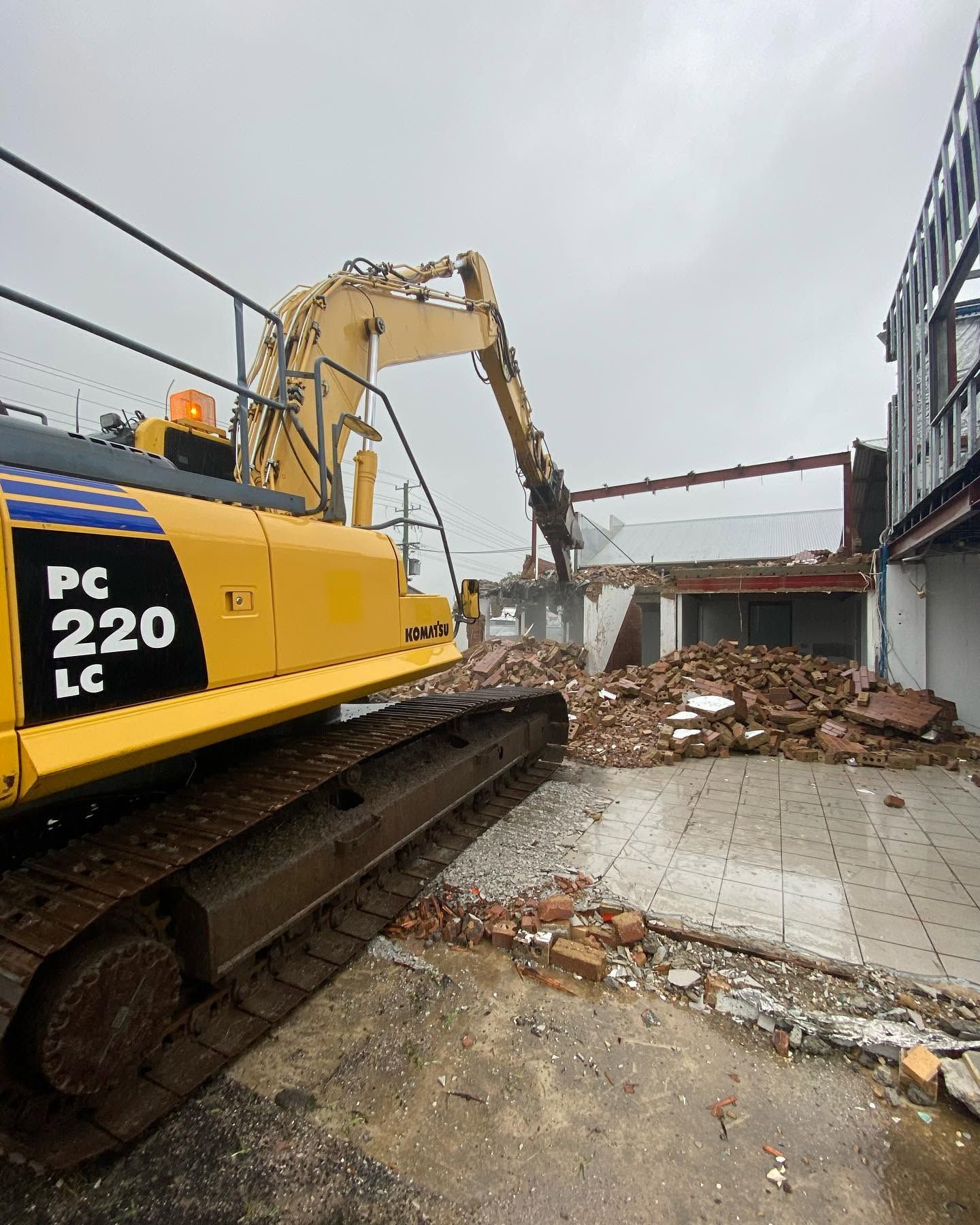
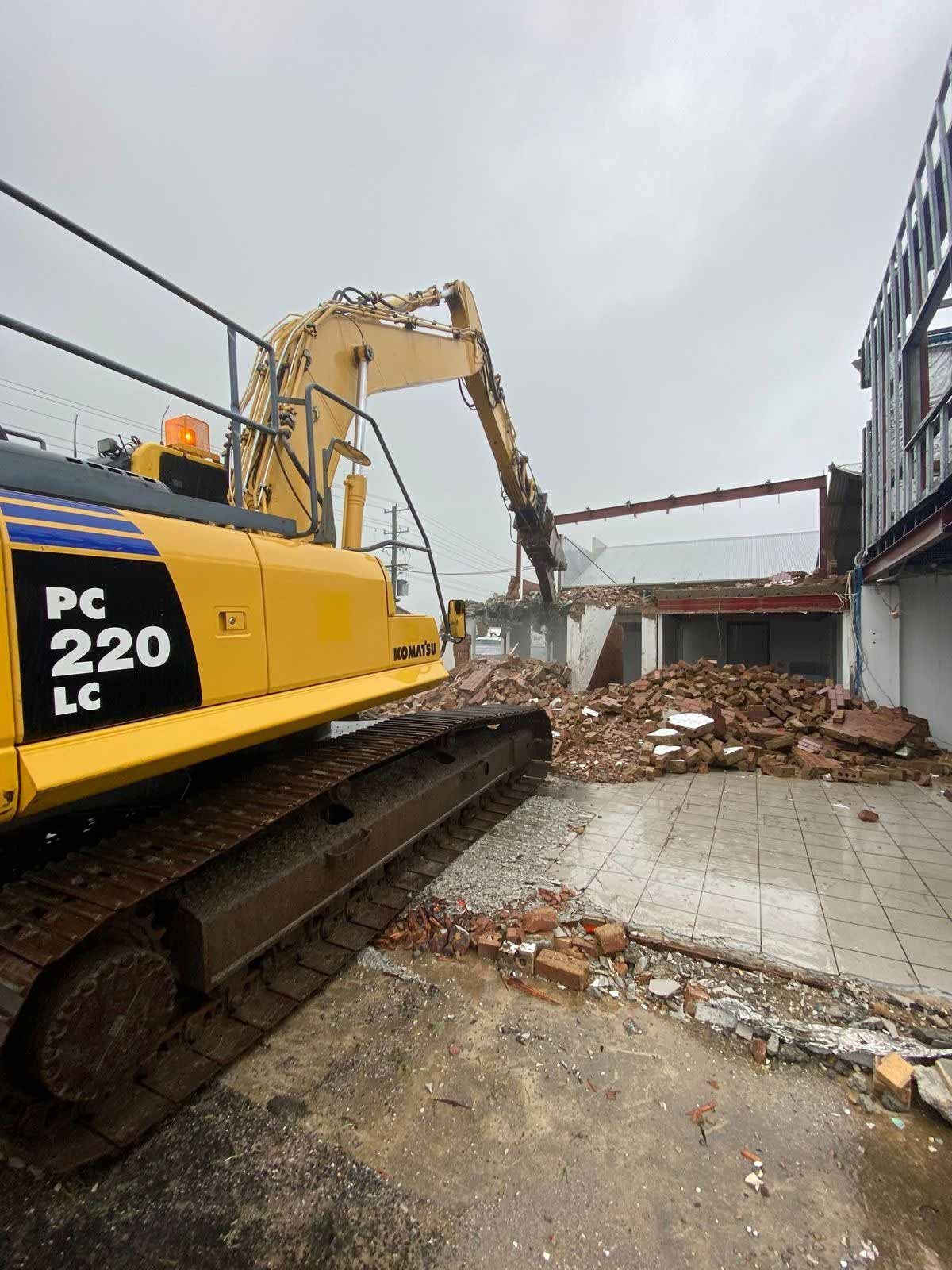
Every demolition project begins with the same visible moment: structures coming down and materials piling up. What most property owners don’t see is the complex waste management system working behind the scenes. When handled correctly, demolition is far more than tearing down walls. It is a coordinated process of sorting, salvaging, transporting and responsibly disposing of materials that once formed an entire structure. For property owners planning demolition in Tweed Heads projects, understanding how professional contractors manage waste can reveal the true value of experienced demolition services.
From separating recyclable materials to carefully handling hazardous substances, each stage is designed to reduce environmental impact while keeping sites safe and efficient. A structured waste management approach also prevents unnecessary landfill use and ensures that reusable materials find a second life. Behind every well-managed demolition project is a system built on planning, expertise and careful handling of materials that many people would simply consider “rubbish”.
Waste Planning Begins Before The First Wall Comes Down
Effective waste management starts well before demolition equipment arrives on site. Professional demolition contractors conduct detailed assessments to understand what materials exist within the structure. This early planning phase allows teams to determine how each material will be handled during the demolition process.
Typical pre-demolition waste planning includes:
- Material audits to identify timber, metal, concrete and brick
- Identification of hazardous materials that require specialised handling
- Planning for recycling and salvage opportunities
- Allocating separate waste streams for efficient sorting
By mapping out the waste strategy early, demolition teams can avoid unnecessary contamination between materials. This preparation ensures the project runs efficiently while reducing disposal costs and environmental impact.
Selective Demolition Protects Reusable Materials
Rather than demolishing a structure in a single uncontrolled process, experienced contractors often use selective demolition techniques to protect valuable materials. Selective demolition allows teams to remove reusable elements before heavier structural work begins.
Common materials salvaged during demolition include:
- Structural timber suitable for reuse
- Steel beams and metal fixtures
- Bricks and masonry components
- Doors, windows and fittings
This approach reduces landfill waste while allowing materials to be recycled or reused in future construction projects. Property owners may also benefit financially when valuable materials are recovered instead of being discarded.
Concrete & Masonry Recycling Reduces Landfill
Concrete, bricks and masonry materials often make up a significant portion of demolition waste. Professional demolition services prioritise recycling these heavy materials whenever possible. Once removed from the site, these materials are transported to specialised facilities where they can be crushed and processed for reuse.
Recycled concrete materials are commonly used for:
- Road base and construction fill
- Drainage layers in civil projects
- Landscaping foundations
- New building materials
By diverting concrete and masonry from landfill, demolition contractors significantly reduce the environmental footprint of each project while supporting sustainable construction practices.
Scrap Metal Recovery Plays A Major Role
Metal is one of the most valuable materials recovered during demolition. Steel, aluminium and copper components can all be separated and recycled efficiently. Professional demolition teams carefully sort metal during dismantling to prevent contamination with other waste streams.
Metal recovery processes typically include:
- Removing structural steel elements
- Collecting metal roofing and framing
- Separating electrical wiring and copper piping
- Transporting materials to licensed recycling facilities
Recycling scrap metal requires far less energy than producing new metal from raw materials. This makes metal recovery an essential part of responsible demolition waste management.
Hazardous Materials Require Specialised Handling
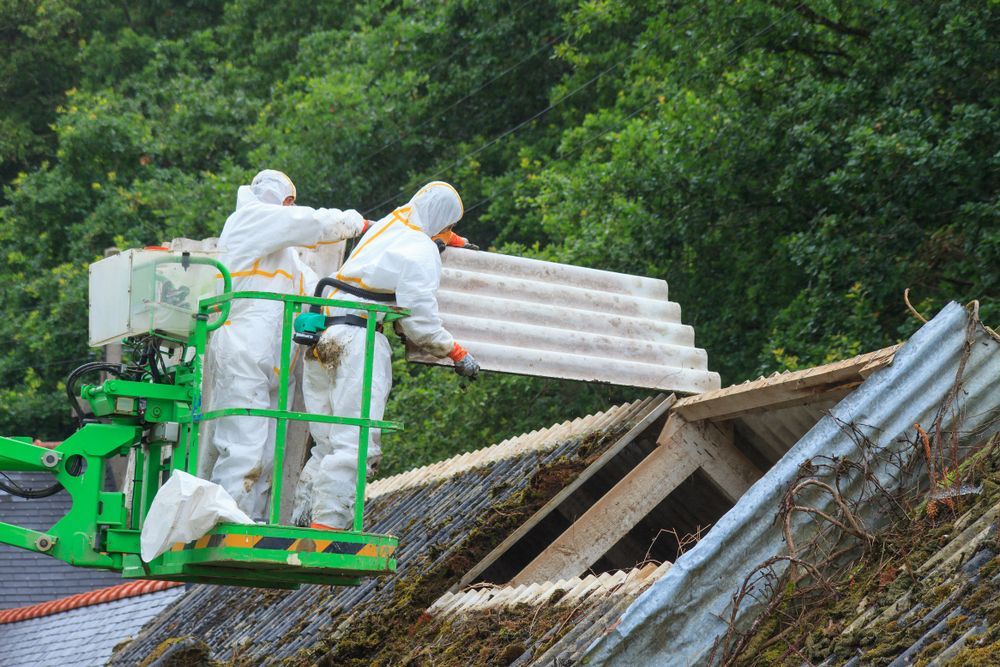
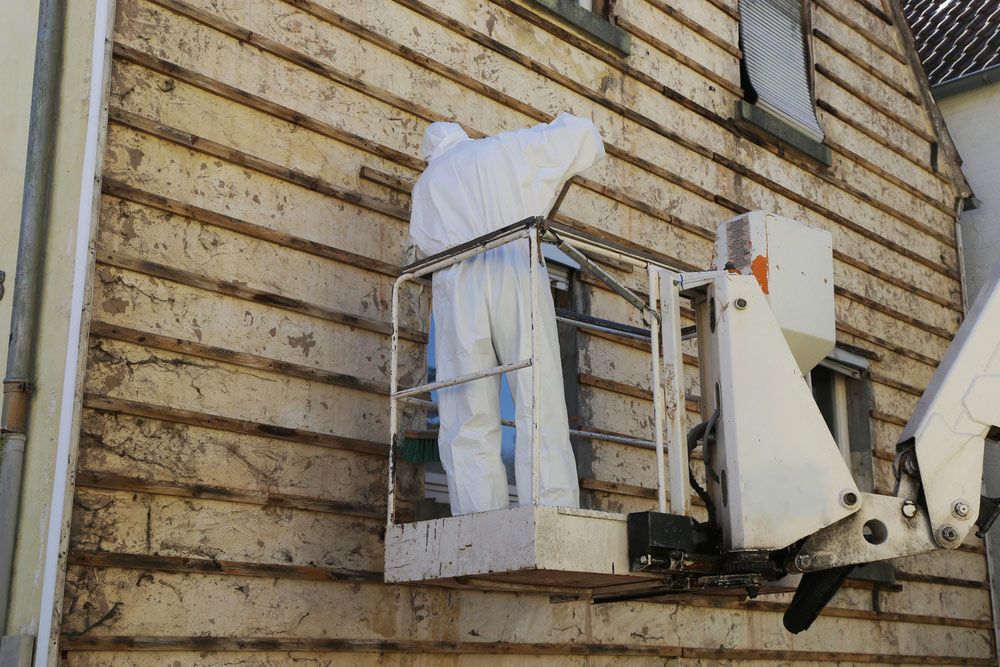
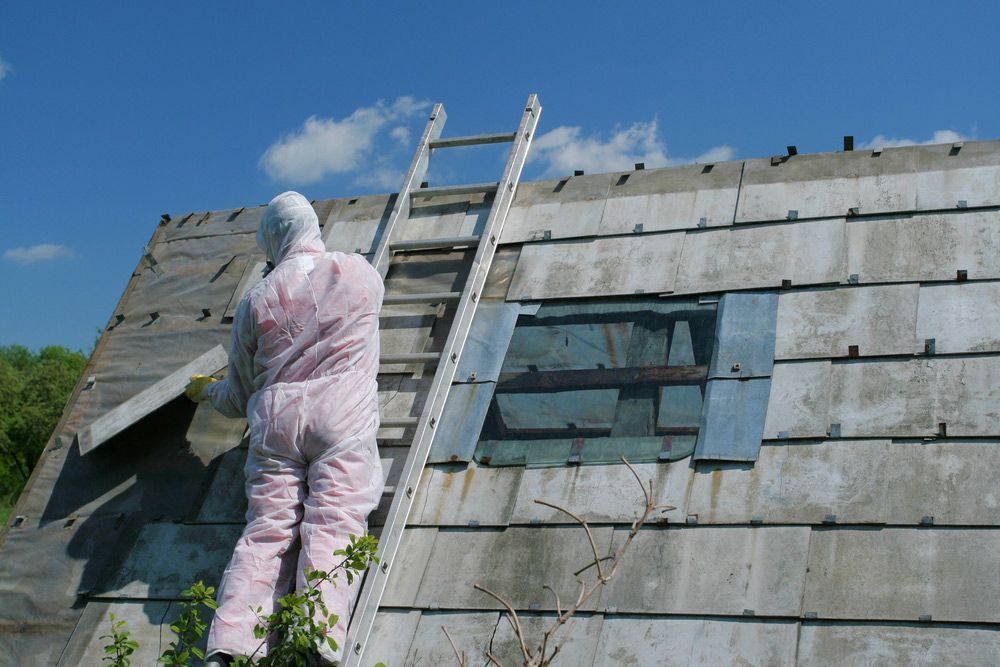
Not all demolition waste can be treated the same way. Older structures may contain hazardous materials that require careful removal by trained professionals. Handling these materials incorrectly can pose serious health and environmental risks.
Common hazardous materials found during demolition include:
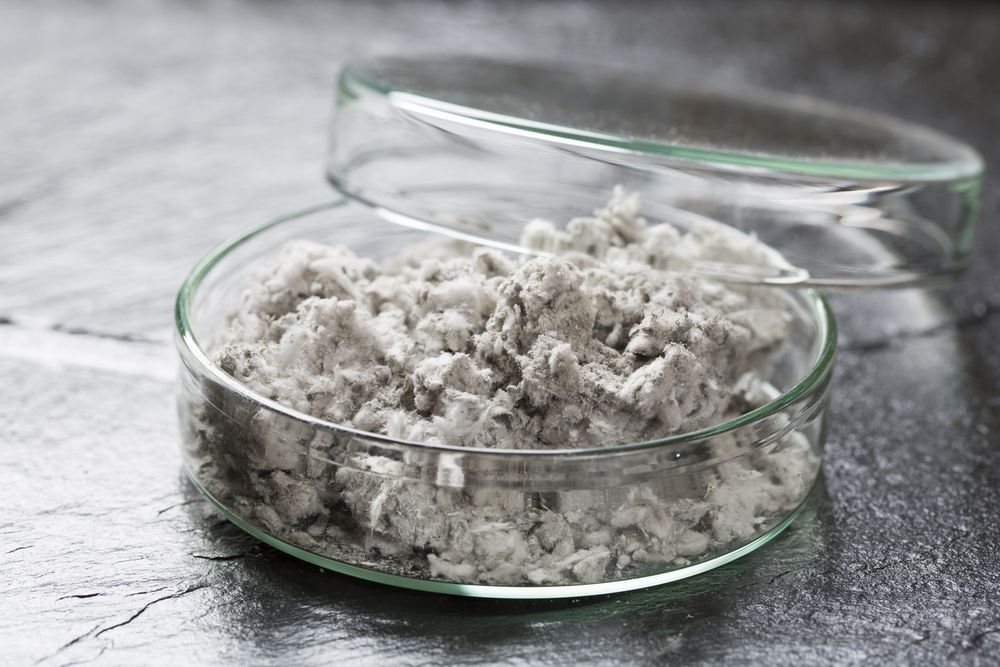
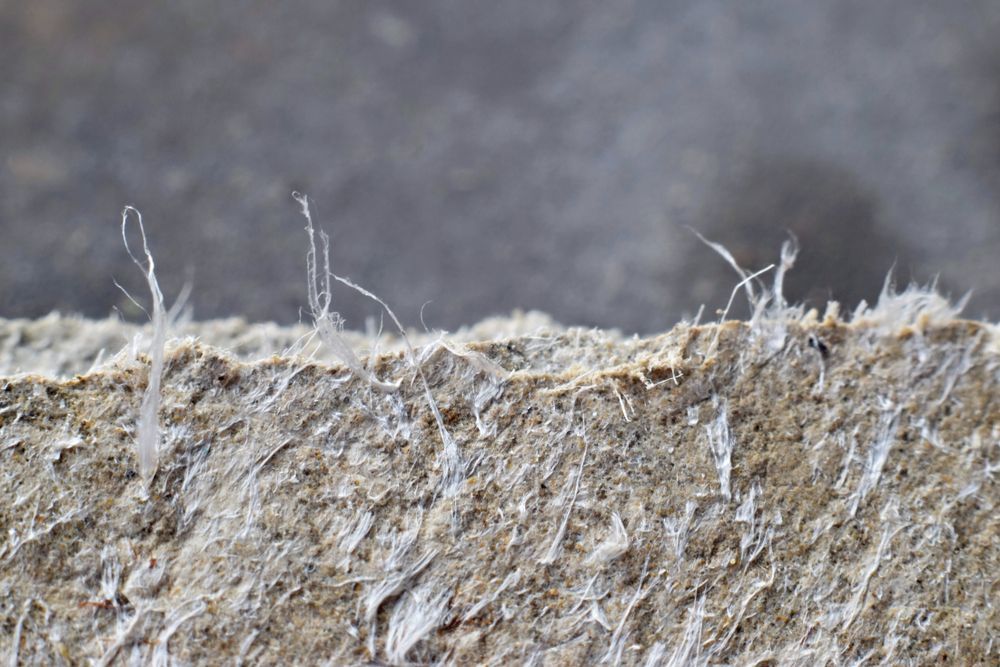
- Asbestos-containing building materials
- Lead-based paints and coatings
- Chemical residues or contaminated soil
- Certain insulation or roofing products
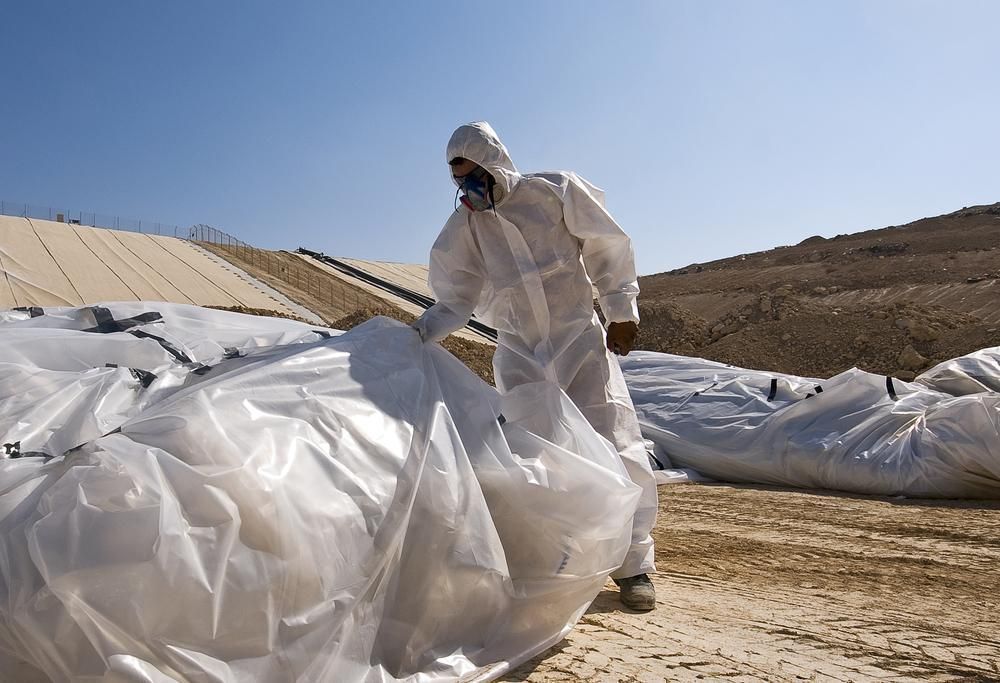
Licensed specialists follow strict regulatory procedures for removal, containment and disposal. This ensures hazardous materials are transported to approved facilities without endangering workers, nearby properties or the surrounding environment.
On-Site Waste Sorting Improves Efficiency
Efficient demolition sites rely on organised waste separation throughout the project. Rather than mixing debris together, professional crews separate materials directly during demolition. This process improves recycling outcomes and reduces the time required for sorting later.
On-site waste management typically involves:
- Designated bins for different material types
- Clearly defined waste zones across the site
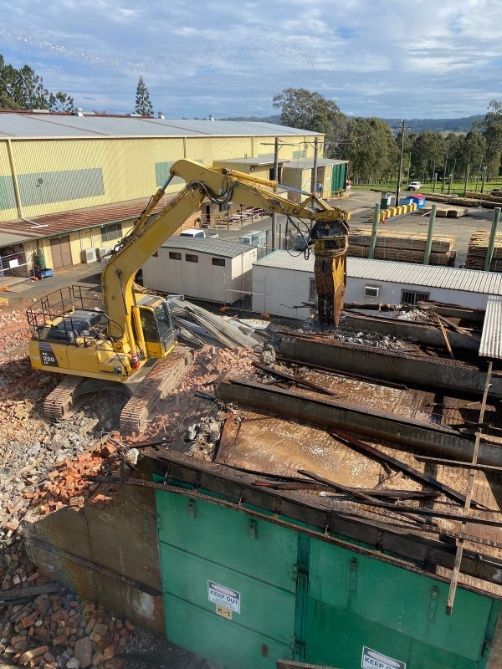
- Equipment used for separating heavy materials
- Continuous monitoring by site supervisors
Keeping materials separated from the start prevents recyclable resources from being contaminated by general debris. It also makes transportation and processing far more efficient.
Responsible Transport & Disposal Matters
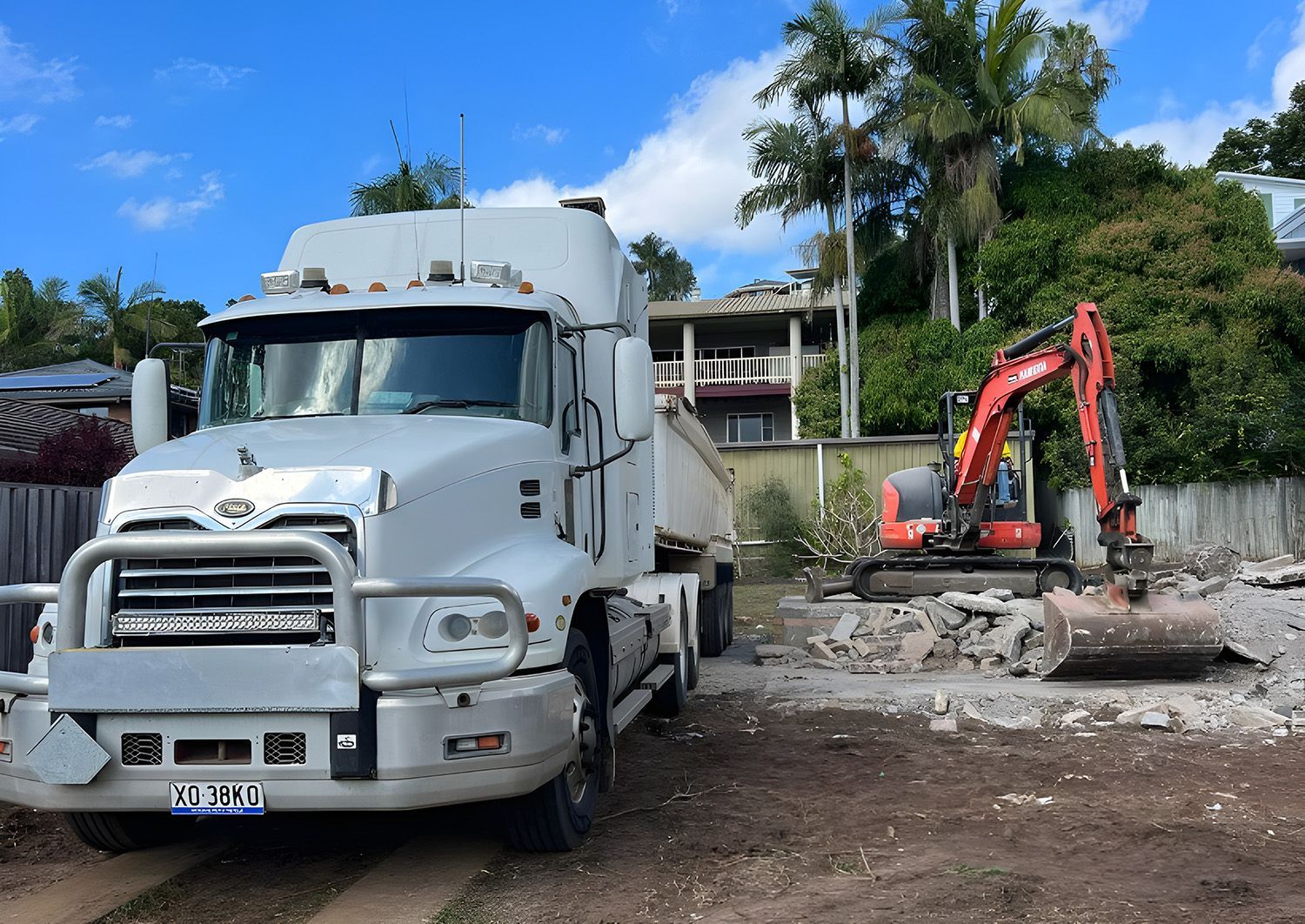
Once materials leave the demolition site, the responsibility does not end. Professional contractors ensure all waste is transported to licensed facilities that handle each material correctly. Improper disposal can lead to environmental damage and regulatory penalties.
Responsible transport and disposal practices include:
- Working with approved recycling and waste facilities
- Maintaining documentation for waste tracking
- Using licensed transport providers
- Ensuring hazardous materials reach specialised disposal sites
A well-managed waste chain ensures every material removed from the demolition site is handled safely and legally.
Environmental Responsibility Is Part Of Modern Demolition
Demolition practices have evolved significantly as environmental standards continue to improve. Responsible waste management is now a central part of modern demolition services. Professional demolition companies aim to minimise landfill use while maximising recycling opportunities.
Environmental-focused demolition strategies often include:
- Prioritising salvage and reuse of materials
- Partnering with recycling facilities
- Reducing transport emissions through efficient planning
- Following strict environmental compliance guidelines
For property owners, choosing a demolition contractor that prioritises sustainable waste management can significantly reduce the environmental impact of their project.
Structured Waste Management Protects Property Owners
A structured demolition waste management system benefits more than just the environment. It also protects property owners from potential risks associated with improper disposal. Licensed demolition contractors follow strict procedures designed to maintain safety and compliance throughout the project.
Key advantages of professional waste management include:
- Reduced liability for hazardous material handling
- Compliance with environmental regulations
- Safer demolition sites for workers and neighbouring properties
- Efficient project timelines with fewer delays
By relying on experienced demolition professionals, property owners can feel confident that materials are handled responsibly from the first stage of demolition through to final disposal.
Plan Your Demolition Project With Experienced Professionals
When planning a demolition project, waste management should never be an afterthought. We at
Ballina Demolitions understand how important structured waste handling is for safe and efficient projects. Our team provides professional demolition in Tweed Heads services designed to carefully manage materials, minimise landfill and handle hazardous waste responsibly. If you are preparing for a demolition project in the Tweed Heads area,
contact us today to discuss your site and book a consultation with our experienced team.