Asbestos Testing In Ballina: Step-by-step Process And Cost Guide
Table of Contents:
- Why A Visual Check Cannot Confirm Asbestos
- What Happens During An Asbestos Inspection?
- Step One: Suspected Materials Are Safely Sampled
- Step Two: Samples Go To An Accredited Laboratory
- Step Three: Results Inform The Written Report
- How Much Does Asbestos Testing Cost In Australia?
- Do I Need Asbestos Testing Before Removal?
- Testing Helps Define The Removal Scope
- Clearance Is A Separate Part Of The Process
- Plan Your Next Step With Confidence
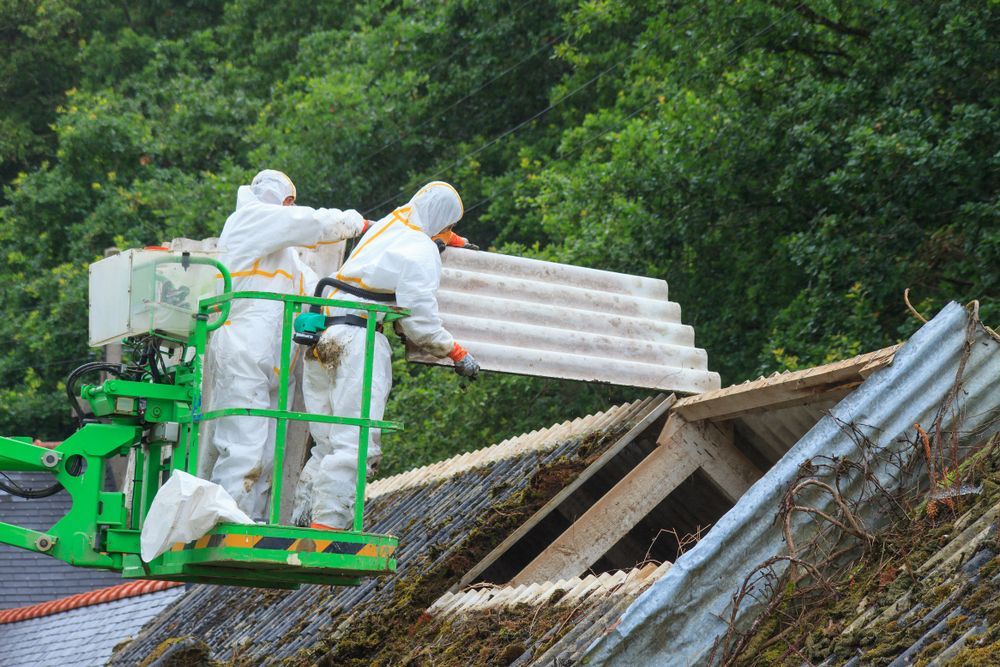
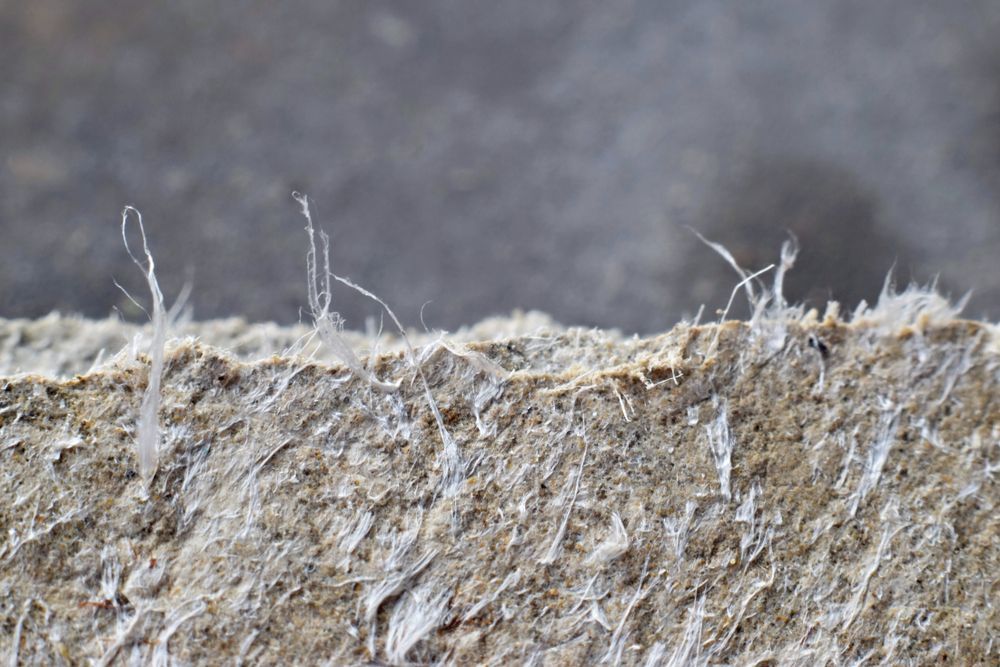
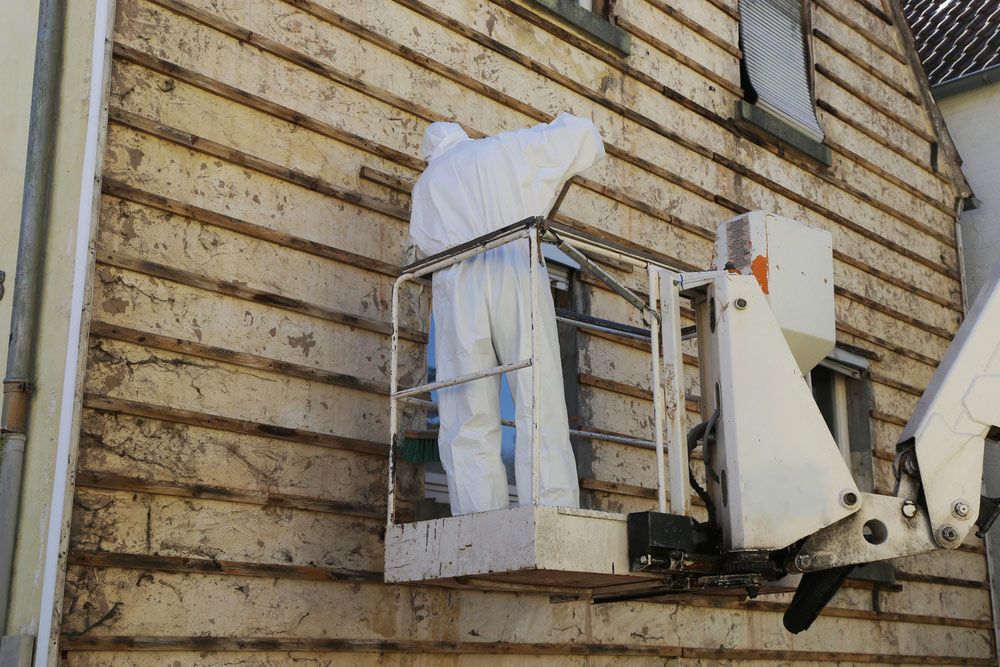
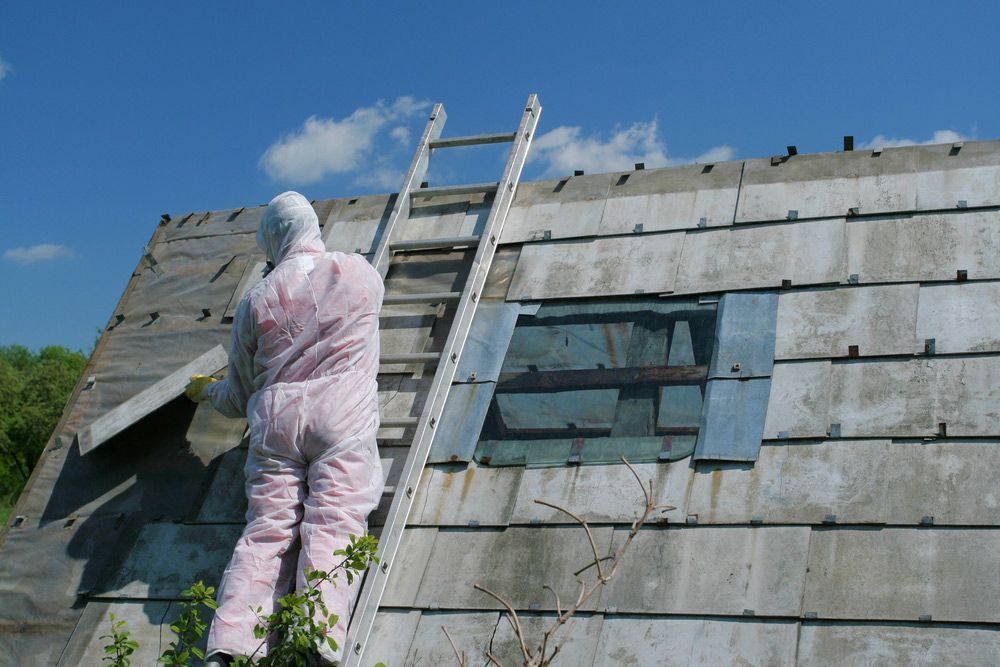
A sheet of old wall lining can look like asbestos. So can eaves, roofing, vinyl flooring or cement sheeting. The problem is that appearance alone cannot confirm what a material contains. Asbestos identification is a visual assessment that flags materials as suspected asbestos-containing material, while asbestos testing involves taking a sample and having it analysed in a laboratory. That distinction matters before renovation, demolition or asbestos removal in Ballina is arranged. Professional testing provides evidence that helps determine what needs to be removed, how the work should be planned and which controls may be required. Rather than relying on age, colour or texture alone, property owners can make decisions based on laboratory results.
Why A Visual Check Cannot Confirm Asbestos
Experienced professionals can recognise materials commonly associated with asbestos, but even a trained eye cannot provide laboratory confirmation. SafeWork NSW advises that the only way to be certain a suspected material contains asbestos is to have a sample tested by a NATA-accredited facility. A visual inspection still has an important role because it helps locate suspect materials and determine where sampling may be appropriate. If the material will not be tested, the safer approach is generally to treat suspected material as though it contains asbestos until proven otherwise.
A professional assessment may consider features such as:
- Material type and likely use
- Approximate building age
- Visible damage or deterioration
- Areas affected by planned work
- Whether sampling is appropriate
If you are unsure what you are looking at, our guide on how to identify asbestos in older homes explains some of the common warning signs.
What Happens During An Asbestos Inspection?
An asbestos inspection begins with assessing areas where suspect building materials are present. The inspector considers which materials could contain asbestos, their condition and whether planned renovation or demolition work could disturb them. Sampling is targeted rather than simply taking pieces from every surface. Because disturbing suspected asbestos can release fibres, SafeWork NSW strongly recommends having samples collected by a competent professional rather than cutting or breaking material yourself.
During the inspection, the process generally covers:
- Locating suspected ACMs
- Recording their condition
- Identifying likely disturbance points
- Selecting appropriate sampling locations
- Documenting materials for further analysis
This assessment gives the laboratory testing process context and helps establish the scope of any subsequent removal work.
Step One: Suspected Materials Are Safely Sampled
The first practical stage of asbestos testing is collecting representative samples. A competent professional uses controlled methods intended to minimise disturbance while obtaining enough material for analysis. Sampling may be required from several different products because one positive result does not automatically establish what another material contains. For example, wall sheeting and flooring within the same property may require separate samples if both are suspected of containing asbestos.
Professional sampling helps manage several important details:
- Choosing representative sample points
- Limiting unnecessary material disturbance
- Preventing cross-contamination
- Labelling samples correctly
- Recording where each sample originated
Anyone preparing for building work can also read our guide to
asbestos testing before renovation work before disturbing older materials.
Step Two: Samples Go To An Accredited Laboratory
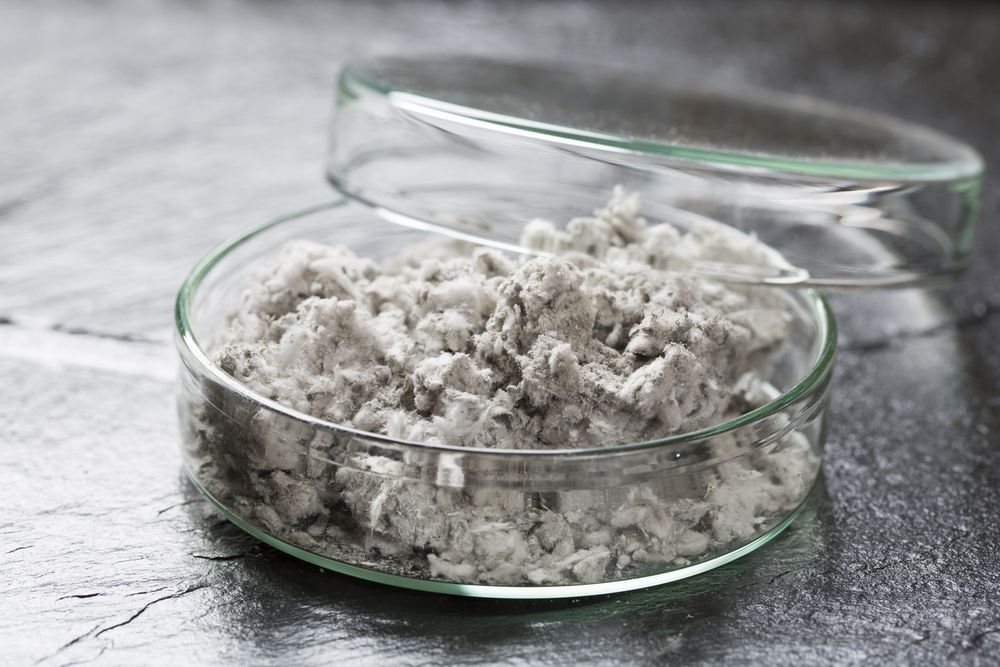
Once collected, samples are sent for laboratory analysis. SafeWork NSW states that asbestos testing should be undertaken by a National Association of Testing Authorities accredited facility. This is the stage that turns a suspected identification into a confirmed laboratory result. The laboratory analyses the material to determine whether asbestos fibres are present. Testing can therefore remove much of the uncertainty that comes from trying to judge building products by appearance alone.
Laboratory analysis can provide information needed to:
- Confirm asbestos presence or absence
- Support accurate material records
- Inform removal planning
- Reduce assumptions before demolition
- Establish the next appropriate action
Until results are available, suspected material should be treated cautiously and should not be drilled, sanded, cut or otherwise unnecessarily disturbed.
Step Three: Results Inform The Written Report
After laboratory analysis, the findings can be incorporated into written documentation identifying tested materials and the results. Depending on the inspection scope, documentation may also record the location and condition of identified or suspected asbestos-containing materials. This information becomes particularly useful when removal, renovation or demolition is being planned. Contractors can understand what material is involved and develop an appropriate scope rather than discovering an unidentified hazard once disruptive work has started.
A useful report or assessment can help establish:
- Which samples tested positive
- Where tested materials are located
- Their observed condition
- Which materials require management
- Information relevant to removal planning
Understanding
what asbestos does to air and soil also helps explain why controlling disturbance is important once asbestos-containing material has been identified.
How Much Does Asbestos Testing Cost In Australia?
Asbestos testing cost depends on the number of materials requiring analysis, the type of inspection and the extent of documentation required. As a general planning signal, testing arranged through a professional may cost around $150 to $400 per sample including laboratory analysis. A broader property inspection and asbestos register may cost approximately $500 to $1,200 depending on property size and complexity. These figures are guides rather than fixed prices. Before proceeding, request a written quote explaining what the inspection, sampling, laboratory work and reporting include.
Several factors can affect the final price:
- Number of samples required
- Property size and accessibility
- Inspection scope
- Laboratory requirements
- Reporting requirements
Prices vary, so a written quote remains the most reliable way to understand the actual cost for a particular property.
Do I Need Asbestos Testing Before Removal?
Testing is valuable when there is genuine uncertainty about whether a material contains asbestos. It can confirm what contractors are dealing with and help define an appropriate removal scope. In some situations, suspected material may instead be assumed to contain asbestos and managed accordingly. The important distinction is that licensing rules relate to the type and quantity of asbestos being removed. Licensed professionals are required for any friable asbestos removal and for more than 10 m² of non-friable asbestos. Licensed removal work also carries specific planning, notification and clearance requirements.
Before removal, consider whether:
- The material has already been confirmed
- Laboratory results are available
- Several materials require identification
- Friable material may be present
- Renovation or demolition will disturb it
Testing can prevent guesswork and give the removal contractor clearer information for planning the job.
Testing Helps Define The Removal Scope
Once asbestos is confirmed, attention shifts from identification to safe management and removal. The laboratory result can help establish which materials form part of the job, while an inspection provides information about their location and condition. This is particularly important where demolition or a substantial renovation could disturb multiple building products. Licensed removalists can use available information to plan controls, containment, disposal and clearance requirements appropriate to the work.
Testing and removal therefore serve different purposes:
- Testing confirms suspected material
- Inspection establishes location and condition
- Planning defines the work area
- Removal eliminates identified ACMs
- Clearance confirms completion requirements
Once testing confirms asbestos, the next step may be arranging licensed asbestos removal in Ballina rather than allowing other building work to disturb the material.
Clearance Is A Separate Part Of The Process
A positive test result is not a clearance certificate. Testing tells you what the sampled material contains, while clearance takes place after licensed removal work and determines whether the removal area satisfies the applicable clearance requirements before reoccupation. For licensed removal work, an independent licensed asbestos assessor is required for friable asbestos clearance. For licensed non-friable work, the clearance inspection may be performed by an independent competent person or licensed asbestos assessor, as applicable.
The sequence therefore has distinct stages:
- Inspect and identify suspected material
- Sample where appropriate
- Obtain laboratory results
- Complete licensed removal
- Arrange the required clearance
Professional asbestos removal can then be planned around confirmed materials rather than assumptions.
We at Ballina Demolitions help property owners across Ballina and the Northern Rivers move from suspected asbestos to a properly planned removal. If testing has confirmed asbestos, or you need guidance before renovation or demolition begins, contact us to discuss the material, arrange an assessment or book a quote for licensed removal and the required completion process.