Asbestos Roof Removal in Lismore: Costs, Process & What to Expect
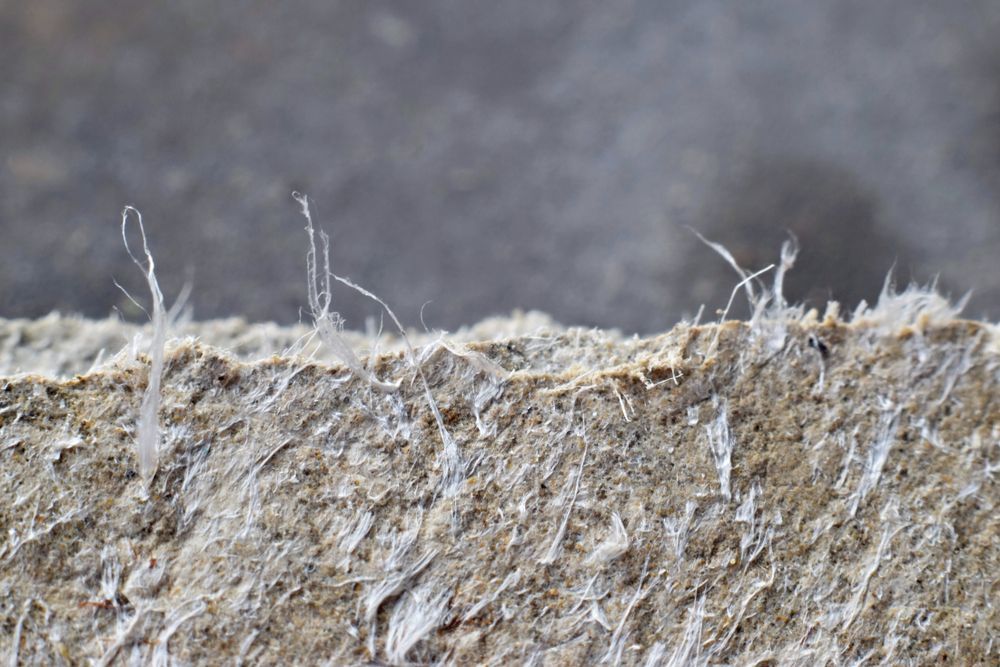
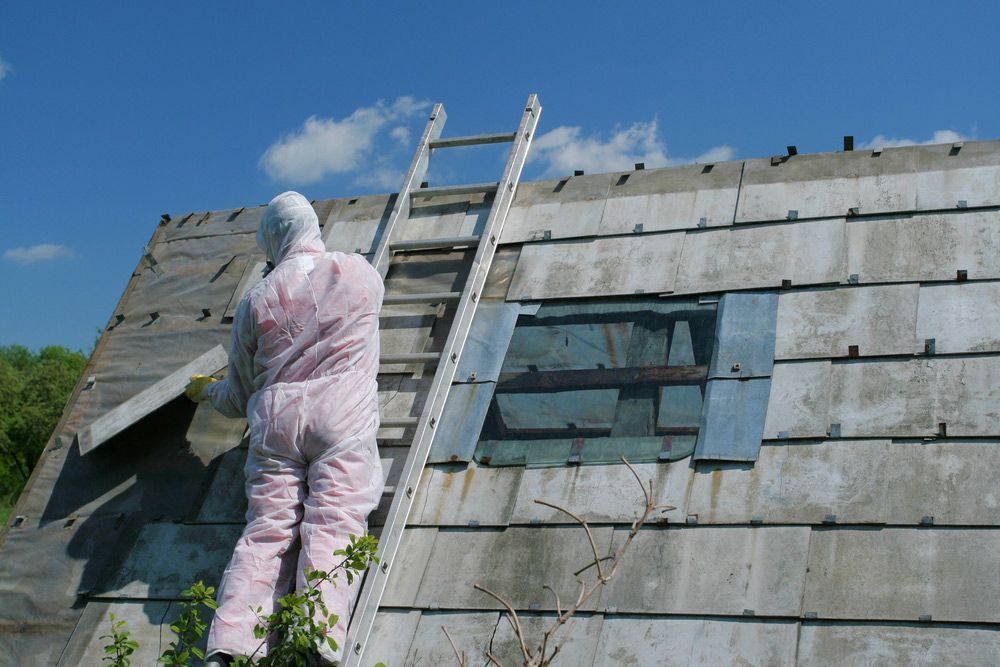
Across Lismore and the wider Northern Rivers, post-flood rebuilds have uncovered something many homeowners never expected to find: a layer of ageing fibro sheeting hidden beneath decades of re-roofing. When floodwater tore away modern cladding or forced repairs to storm-damaged roofs, it exposed original asbestos cement sheets that had been quietly sitting underneath for years, undisturbed until the outer layer gave way.
For homeowners now staring at a roof they didn't know contained asbestos, understanding what asbestos removal in Lismore actually involves — the cost, the process and the compliance requirements — is the first step toward a safe, properly managed rebuild.
How Much Does Asbestos Roof Removal Cost in Australia?
Costs vary depending on roof size, accessibility, disposal distance and whether any additional remediation is needed once the sheets are removed. As a general guide for the Northern Rivers region, non-friable fibro roof removal typically runs somewhere between $30 and $60 per square metre, including disposal at an approved facility. For a standard three-bedroom home with a roof of around 150 square metres, that generally puts the total cost somewhere in the range of $4,500 to $9,000.
These figures should be treated as a guide only. Every roof is different, and factors like accessibility, roof pitch, the amount of existing damage and how far the material needs to travel to an approved disposal facility can all shift the final number. The only way to get an accurate figure is a site-specific quote based on your actual roof size, condition and access.
Factors that typically influence the final price include:
- Roof pitch and access – Steep roofs or those with limited access for equipment can increase labour time
- Condition of the sheeting – Deteriorated or storm-damaged sheets often require more careful handling to avoid breakage
- Disposal distance – Transport costs to the nearest approved EPA facility can vary depending on location
- Additional remediation – If asbestos debris has spread into ceiling cavities or wall spaces, further cleanup may be needed beyond the roof itself
For flood-affected properties in particular, damaged or partially collapsed sheeting can add complexity to a quote, which is another reason a proper site inspection matters more than a general price guide.
Do I Need a Licence to Remove an Asbestos Roof in NSW?
Yes. Asbestos roof removal in NSW is tightly regulated, and the licence required depends on the type and quantity of asbestos-containing material (ACM) involved.
- Class B licence – Required for removing more than 10 square metres of non-friable ACM, which covers the vast majority of standard fibro roof removals
- Class A licence – Required for any roof over 10 square metres containing friable asbestos, which is asbestos material that has degraded to the point it can crumble or release fibres more readily
Most residential fibro roofs fall into the non-friable category, meaning a Class B licensed removalist can legally carry out the work. Ballina Demolitions is licensed for both Class A and Class B asbestos removal across the Northern Rivers, so homeowners are covered regardless of which category their roof falls into.
The Asbestos Roof Removal Process, Step by Step
A compliant asbestos roof removal follows a structured sequence designed to protect both the property and everyone nearby from fibre exposure.
- Site assessment – A licensed removalist inspects the roof to confirm the extent and condition of the ACM and plan the safest removal method
- Containment setup – The work area is sealed off, with signage and barriers restricting access during removal
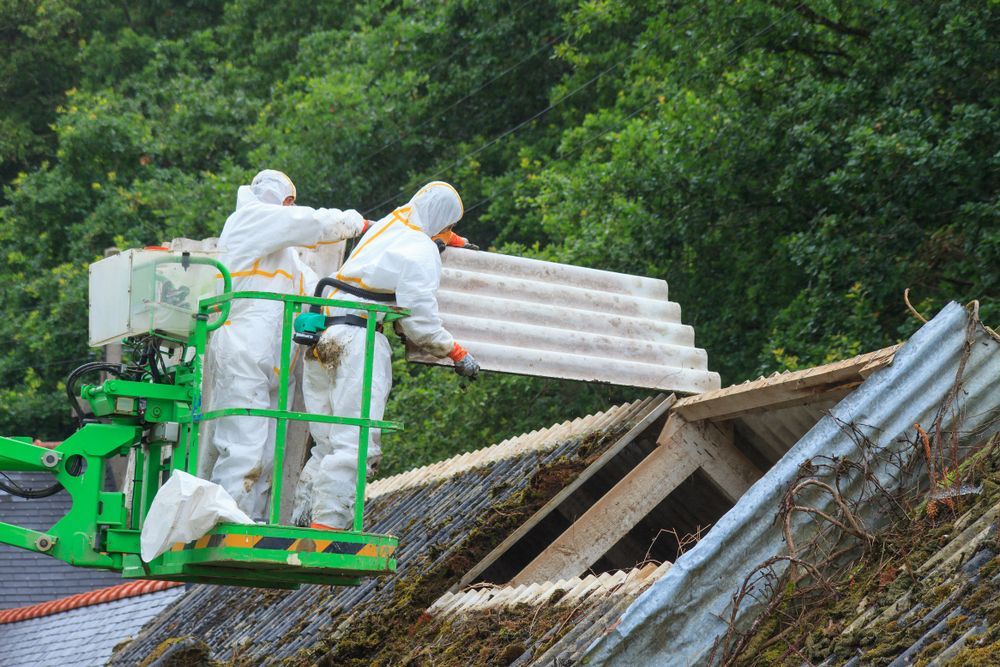
- Wetting the sheets – Sheets are dampened before removal to suppress the release of airborne fibres
- Careful sheet removal – Sheets are removed whole, without breaking or cutting, since damaging the material is what releases fibres into the air
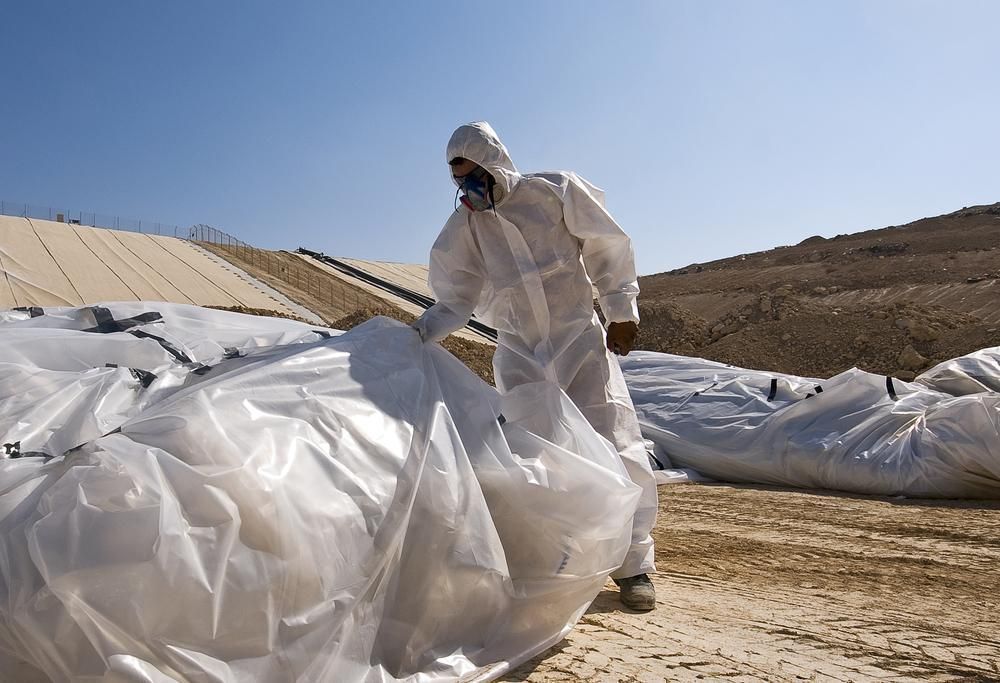
- Double-wrapping and labelling – Removed sheets are double-wrapped in polyethylene and clearly labelled as asbestos waste
- Transport and disposal – Wrapped material is transported and disposed of at an approved EPA facility
- Clearance air monitoring – Where required, air monitoring confirms fibre levels are within safe limits once removal is complete
- Clearance certificate – A certificate is issued confirming the site has been cleared and is safe for further work
Fibro roof sheets are a form of non-friable asbestos, and understanding how they behave is worth reading up on before work begins — our guide on non-friable asbestos and safe handling covers the risks in more detail.
What Happens After Asbestos Roof Removal?
Once the roof has been removed, wrapped and disposed of correctly, the site undergoes a final check before any rebuilding work begins. If clearance air monitoring was required, results are reviewed to confirm fibre levels are safe. From there, a clearance certificate is issued, giving homeowners and their builders written confirmation that the site is clear and safe to proceed with re-roofing or further construction.
This certificate is an important document to keep on file, particularly for insurance, resale or future renovation purposes. Once the roof is removed and the site is cleared, you'll receive a clearance certificate — learn what an asbestos clearance certificate covers before your project moves to the next stage.
Choosing a Licensed Contractor: What to Look For
Given how heavily regulated asbestos removal is, choosing the right contractor matters as much as understanding the process itself. A few checks upfront can help homeowners avoid engaging an unlicensed or underqualified operator.
- Confirm the contractor holds a current Class A or Class B licence appropriate to your job
- Ask whether they carry the necessary insurance for asbestos removal work
- Request a written scope of works that outlines containment, removal, disposal and clearance steps
- Check whether a clearance certificate is included as part of the service, not an optional extra
Taking the time to verify these details before work begins protects both the property and everyone who will occupy it once the rebuild is complete.
Why Lismore Homeowners Are Facing This Now
The scale of post-flood rebuilding across the Northern Rivers has brought this issue to the surface in a way that's specific to this region right now. Homes that had modern roofing installed over original fibro sheeting, sometimes decades ago, are having that hidden layer exposed as storm and flood damage forces repairs. In many cases, homeowners only discover the asbestos cement sheeting once a builder or roofer removes damaged cladding to assess the extent of flood or storm impact, at which point work often needs to pause until a licensed asbestos removalist can be engaged.
For many Lismore homeowners, this is the first time they've had to deal with asbestos removal at all, which makes understanding the licensing requirements and process even more important before committing to a rebuild timeline. Factoring this step into your renovation schedule early, rather than discovering it partway through a build, helps avoid unexpected delays when trades and materials are already booked in.
Get a Site-Specific Quote
Every roof and every rebuild is different, which is why the figures in this guide are a starting point rather than a final answer. For safe, licensed asbestos removal in Lismore, Ballina Demolitions handles the full process from initial site assessment through to clearance certification. Get in touch with our team today to arrange an inspection and receive an accurate, no-obligation quote for your property.