Tweed Heads Renovation Planned? Here's What To Do If You Find Asbestos Mid-Project
Few renovation discoveries create more panic than uncovering a material that may contain asbestos. It often happens halfway through demolition, when old tiles come off a bathroom wall or kitchen cabinets are removed to reveal ageing fibro sheeting underneath. For many homeowners, the immediate reaction is uncertainty. Should work stop completely? Is it safe to stay in the house? Should the material be cleaned up straight away?
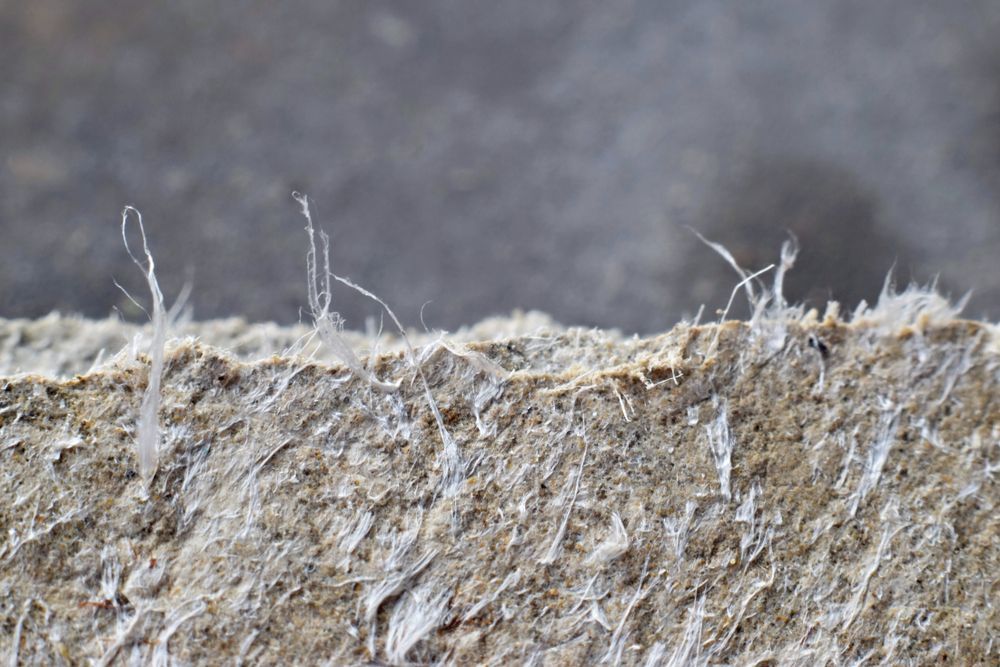
If you uncover suspected asbestos during a renovation, the most important thing to do is stop disturbing the material immediately. Do not cut it, break it, sweep it or vacuum the area. Disturbing asbestos-containing material can release dangerous fibres into the air, creating a health risk for anyone nearby. For homeowners dealing with unexpected discoveries during renovations, understanding the correct next steps is essential, especially when arranging asbestos removal in Tweed Heads safely and legally.
Table of Contents:
- Stop Work Immediately if You Suspect Asbestos
- Asbestos Is Common in Pre-1990 Homes
- Do Not Attempt to Clean the Area Yourself
- NSW Laws Require Work to Stop in Certain Situations
- SafeWork NSW Notification May Be Required
- Bathroom Renovations Frequently Reveal Hidden Asbestos
- Kitchen Renovations Can Also Uncover Asbestos Products
- Licensed Sampling Can Confirm Whether Material Contains Asbestos
- Continuing Renovations Safely After Asbestos Removal
- Get Professional Advice Before Continuing Renovation Work
Stop Work Immediately if You Suspect Asbestos
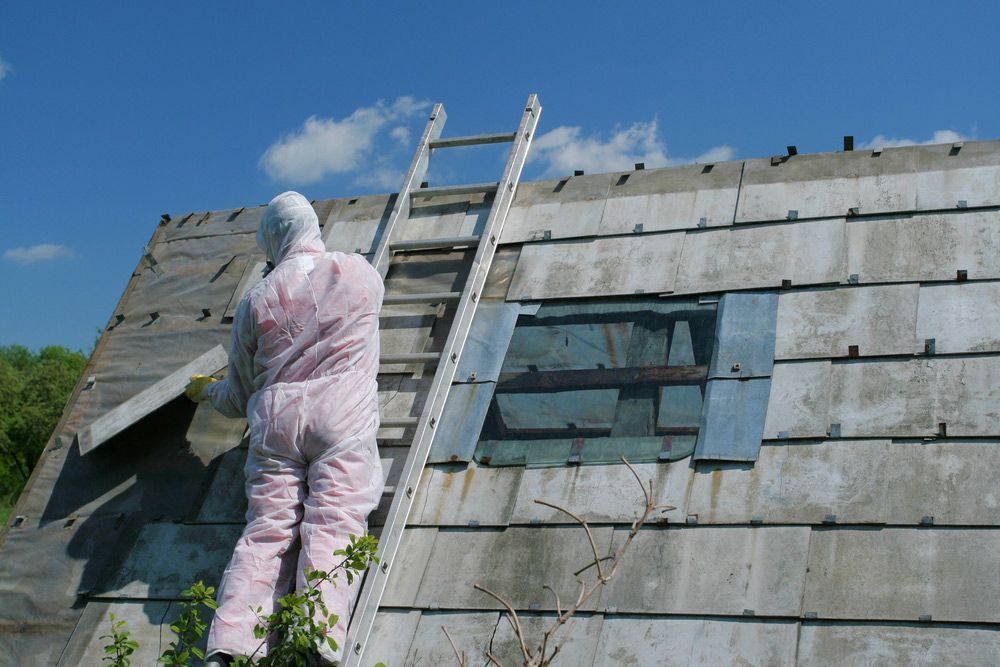
The moment asbestos is suspected during demolition or renovation work, all activity in the area should stop. Continuing to remove materials without confirmation can increase fibre release and create unnecessary exposure risks.
If asbestos may be present, it is important to:
- Stop all renovation or demolition work immediately.
- Keep people away from the affected area.
- Avoid touching, sweeping or vacuuming the material.
Many older building products become dangerous once disturbed, particularly if they are cracked, drilled or broken apart. Fibres released into the air are often invisible, which is why homeowners should never assume the material is safe simply because there is no visible dust.
Asbestos Is Common in Pre-1990 Homes
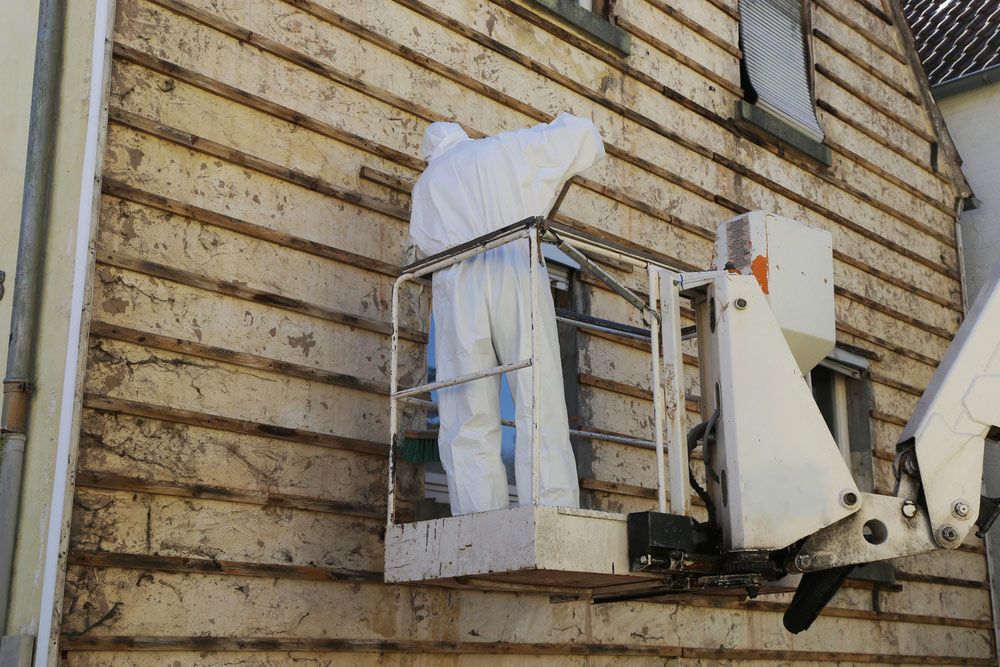
Homes built before 1990 commonly used asbestos-containing products in walls, ceilings, flooring and external cladding. During renovations, these materials are often hidden behind newer finishes, making them difficult to identify before work begins.
Common locations where asbestos may be discovered include:
- Fibro sheeting behind bathroom or laundry tiles.
- Vinyl flooring and backing materials in kitchens.
- Wall linings concealed behind cabinetry or renovations.
Bathrooms and kitchens are particularly common problem areas because repeated renovations often covered original asbestos sheeting with tiles, plasterboard or modern finishes. Many homeowners do not realise asbestos is present until demolition has already started.
Do Not Attempt to Clean the Area Yourself
One of the biggest mistakes homeowners make after finding suspected asbestos is trying to clean up debris themselves. Sweeping, vacuuming or using standard household cleaning methods can spread asbestos fibres further throughout the property.
After discovering possible asbestos, avoid actions that may:
- Disturb dust or broken material unnecessarily.
- Spread fibres through airflow or vacuum systems.
- Increase contamination across nearby rooms.
Standard household vacuums are not designed to safely contain asbestos fibres and may release them back into the air. Dry sweeping can also move fibres into surrounding areas where they may settle on surfaces, clothing or furniture.
NSW Laws Require Work to Stop in Certain Situations
In NSW, strict rules apply when asbestos is discovered during construction, demolition or renovation work. Legal obligations vary depending on the amount and condition of the material involved.
Situations that may require immediate action include:
- Discovering damaged or friable asbestos materials.
- Renovation work disturbing bonded asbestos sheeting.
- Unlicensed removal exceeding legal limits.
Under NSW regulations, licensed asbestos removal is required when more than 10 square metres of bonded asbestos material needs removal. Friable asbestos, which crumbles easily, requires specialist licensed removal procedures regardless of quantity.
SafeWork NSW Notification May Be Required
Certain asbestos removal projects require formal notification to SafeWork NSW before work begins. This applies particularly to licensed removal involving larger quantities or higher-risk materials.
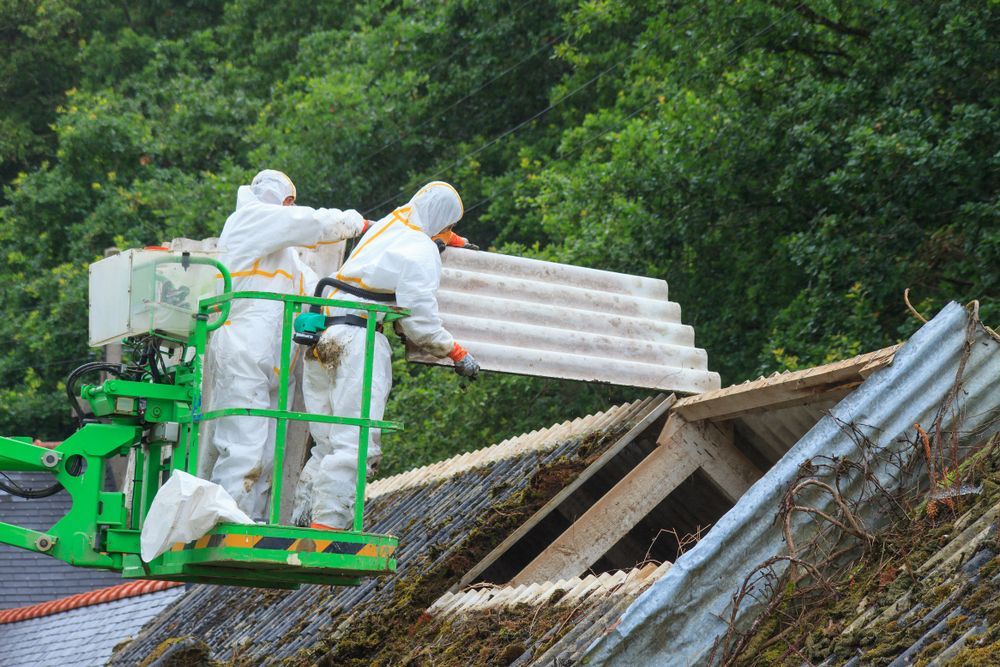
Professional asbestos contractors can assist with:
- Determining whether notification requirements apply.
- Managing compliance with NSW safety regulations.
- Coordinating safe removal procedures and documentation.
Homeowners are often unfamiliar with these legal requirements, which is why licensed professionals play an important role during asbestos-related renovations. Professional asbestos removal in Tweed Heads also helps homeowners navigate legal obligations while keeping renovation work on track safely.
Bathroom strip-outs are one of the most common renovation scenarios where asbestos is unexpectedly uncovered. Older bathrooms often contain asbestos sheeting beneath tiles, waterproofing layers or wall linings.
During bathroom demolition, asbestos may appear in:
- Fibro wall sheeting behind tiles.
- Cement sheeting surrounding baths or showers.
- Older ceiling linings and backing boards.
Because bathroom materials are regularly cut and broken apart during renovations, the risk of disturbing asbestos fibres increases significantly once demolition starts. Many homeowners only discover these materials after tiles have already been removed.
Kitchen Renovations Can Also Uncover Asbestos Products
Kitchen renovations frequently involve removing cabinetry, splashbacks and old flooring, which can expose hidden asbestos-containing materials in older homes.
Common kitchen renovation discoveries include:
- Asbestos sheeting behind cupboards or splashbacks.
- Vinyl flooring adhesives and backing materials.
- Wall linings concealed during previous renovations.
Even when asbestos products appear solid and undamaged, demolition activities can quickly make them hazardous if broken or disturbed. Cutting into walls to relocate plumbing or electrical systems may also expose concealed asbestos unexpectedly.
Licensed Sampling Can Confirm Whether Material Contains Asbestos
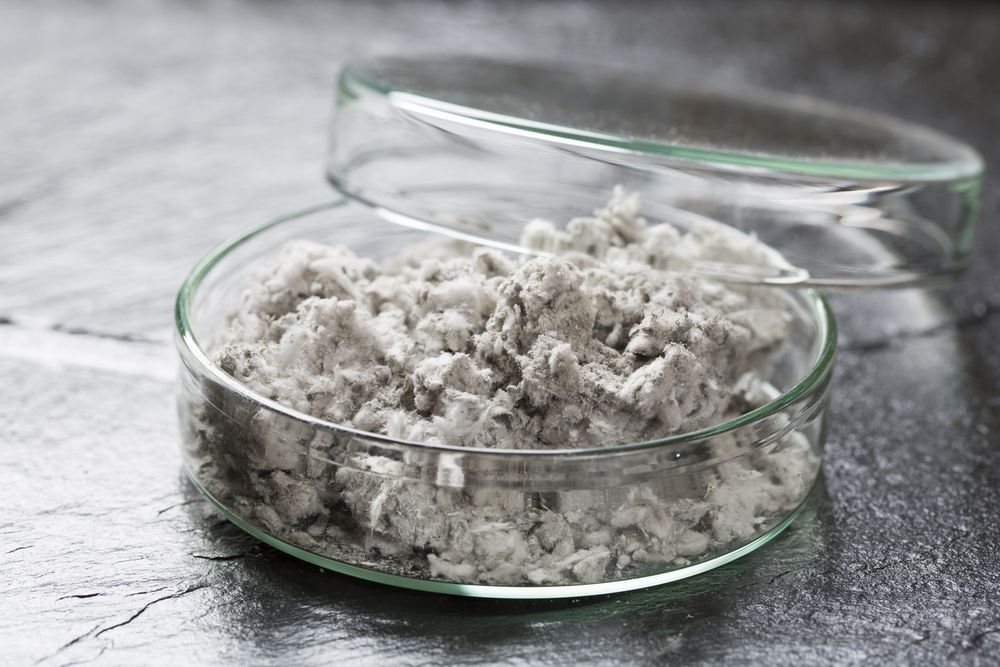
Not every older building material contains asbestos, which is why proper testing is important before making assumptions or proceeding with removal. Professional sampling allows materials to be analysed safely and accurately.
Licensed asbestos sampling can help homeowners:
- Confirm whether asbestos is actually present.
- Avoid unnecessary removal costs or delays.
- Plan the next stage of renovations safely.
Attempting to identify asbestos visually can be unreliable because many older products look similar to non-asbestos materials. Licensed professionals use safe sampling procedures to minimise disturbance while obtaining material for laboratory analysis.
Continuing Renovations Safely After Asbestos Removal
Once asbestos has been professionally assessed and removed where necessary, renovation work can usually continue safely with far less risk and uncertainty.
Professional asbestos management helps homeowners to:
- Resume renovations with greater confidence.
- Reduce exposure risks for trades and occupants.
- Keep projects compliant with NSW safety requirements.
Addressing asbestos correctly early in the renovation process often helps prevent larger delays later on. Proper removal and clearance procedures also help ensure surrounding areas remain safe during ongoing construction work.
Get Professional Advice Before Continuing Renovation Work
Ballina Demolitions understands how stressful it can be to uncover suspected asbestos halfway through a renovation project. Whether you have exposed old fibro sheeting during a bathroom strip-out or uncovered suspicious flooring during kitchen demolition, acting quickly and safely is essential. We provide licensed sampling services to confirm whether materials actually contain asbestos before full removal work is planned. If you need professional advice or asbestos removal in Tweed Heads, get in touch with our team today for prompt assessment and support.